
Ichikawa City Zoo Shares Update on Baby Monkey Punch as He Adjusts to Troop Life
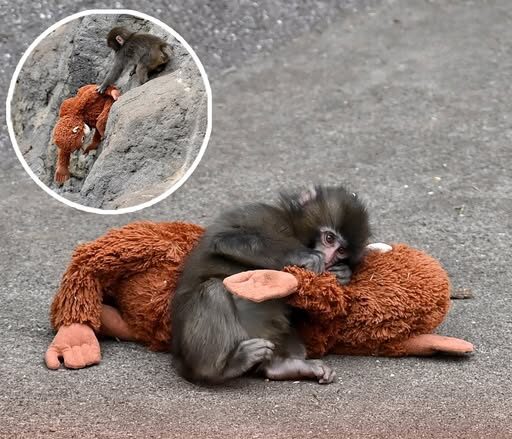
Ichikawa City Zoo has released a new update on Punch, the baby Japanese macaque who captured global attention after videos of him clinging to a stuffed orangutan toy went viral online.
The young monkey, born in July last year, was rejected by his mother shortly after birth and has since been hand-raised by zoo staff.
Since January 19, Punch has been living with the rest of the macaque troop as part of his gradual integration process.
Punch’s Early Journey
After being rejected at birth, Punch was cared for directly by zookeepers.
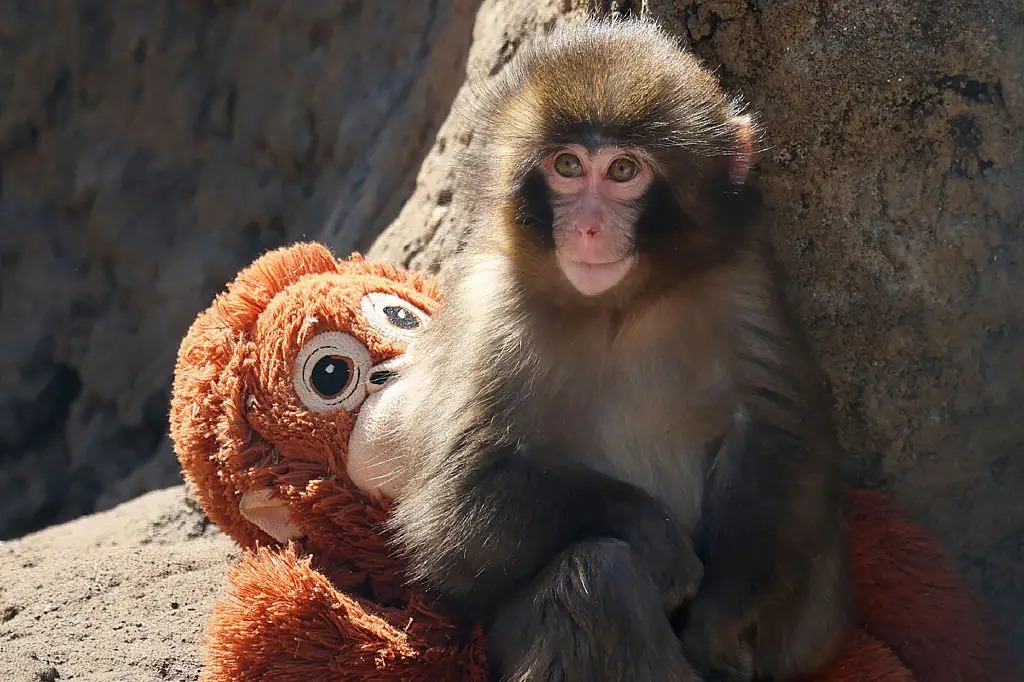
During this period, he developed a strong attachment to a stuffed toy orangutan, which has served as a source of comfort.
Videos of the tiny primate holding the toy quickly spread across social media, drawing widespread affection from viewers.
As he grew stronger, zoo staff began preparing him to join the main troop of Japanese macaques.
Integration into a social group is an important step for primates, particularly for young animals who must learn natural behaviors from other members of their species.
Concerns About Social Interactions
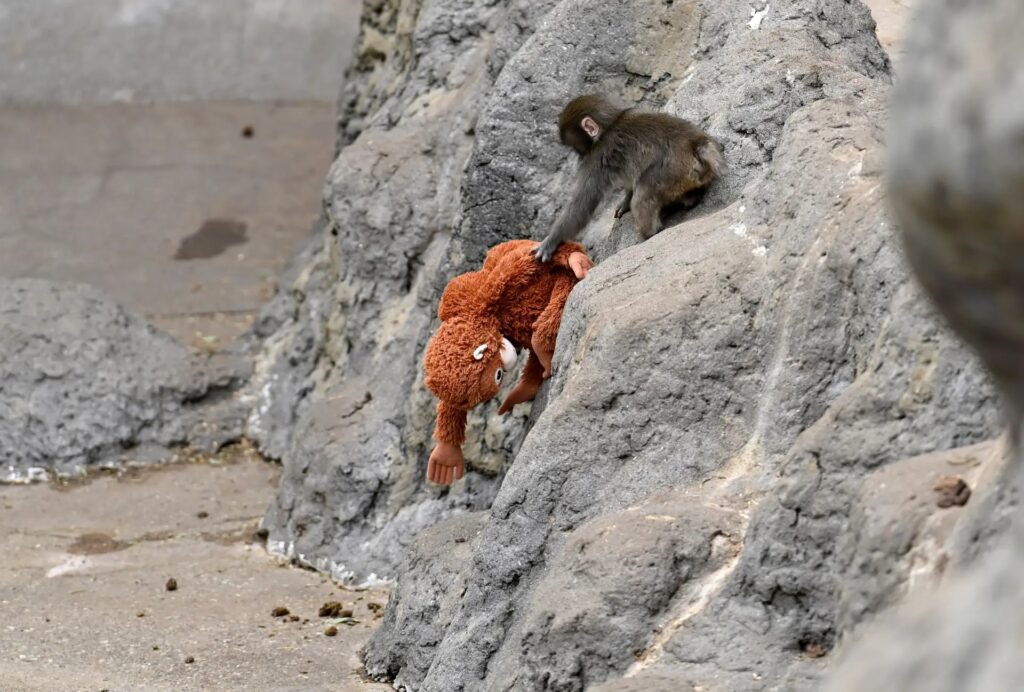
Shortly after Punch joined the troop, additional videos began circulating online.
Some clips appeared to show him being pushed or handled roughly by other monkeys.
These interactions led to concern among viewers, with some describing the behavior as bullying.
The zoo addressed those worries directly, explaining that while Punch has been scolded at times, no individual monkey has demonstrated serious aggression toward him.
According to staff, the behavior observed is part of normal social hierarchy development among macaques.
Young monkeys often experience correction from older troop members as they learn boundaries and group dynamics.
Hair Loss and Health Questions
In addition to concerns about Punch’s social interactions, visitors have raised questions about the health of several Japanese macaques at the zoo.
Some animals have noticeable hair loss, also known as alopecia.
On Wednesday, February 25, the zoo issued a statement addressing these concerns.
“A lot of visitors are currently coming to the zoo to see baby monkey, Punch. Many of them ask us about the health of the Japanese macaques, and we would like to explain their current condition and our plans. A few macaques in the troop exhibit significant hair loss, or alopecia.”
The zoo stated that veterinary evaluations have not identified any clear illness.
Staff explained that food intake and weight levels remain appropriate, based on professional assessments.
They believe excessive grooming habits are the primary cause of the hair loss.
Overgrooming can occur in social primates and may result in visible thinning or patchy fur.
Steps Being Taken to Improve Conditions
The zoo noted that three staff members have been working together since June 2025 to explore solutions and test approaches aimed at improving group health and behavior.
These efforts are focused on encouraging healthier social dynamics while minimizing stress.
Officials emphasized that animal welfare remains the top priority.
They also responded to comments regarding the environment of the “monkey mountain” enclosure.
“Animal welfare is the top priority in the current environment, and we are doing our best to improve the monkeys’ living conditions.”
Zoo representatives explained that four rooms located behind the main exhibit area are always accessible to the monkeys.
These spaces are not visible to visitors and provide opportunities for privacy and retreat.
Punch has reportedly used these areas when he needs to hide or rest.
The enclosure also includes trees and enrichment features designed to encourage natural play and climbing behaviors.
According to the zoo, these structures are especially popular among younger macaques, including Punch.
Balancing Stability and Change
While some members of the public have called for major adjustments to the enclosure, the zoo cautioned against making sudden, radical changes.
Staff indicated that significant alterations to the environment could disrupt the established social order within the troop.
Such disruption, they warned, could potentially increase stress and negatively affect Punch’s integration.
For that reason, the zoo is prioritizing a gradual approach.
“For this reason, we would like to prioritize Punch becoming a member of the troop safely while improving the monkeys’ health conditions as much as possible,” the statement concluded.
The spokesperson added that ongoing observation allows staff to implement improvements when appropriate.
“By observing the conditions, we can implement measures to improve the environment for Japanese macaques on the monkey mountain. We ask for your continued support for Punch and the other troop monkeys.”
Growing Public Interest in Animal Welfare
Punch’s story has sparked broader conversations about animal welfare in zoos.
Members of the public are increasingly attentive to veterinary care, habitat design, and ethical animal management practices.
Questions about enrichment, health monitoring, and environmental quality are becoming more common.
Zoos worldwide face ongoing scrutiny as expectations around transparency and animal care standards continue to evolve.
Officials at Ichikawa City Zoo have encouraged supporters to rely on verified updates when evaluating Punch’s progress.
For now, the young macaque continues adapting to troop life under close supervision.
As he grows, the focus remains on ensuring his safe integration while maintaining the overall well-being of the group.
Punch’s journey from hand-reared infant to troop member continues to draw attention, with many people following each development closely.
Zoo staff have reiterated that they remain committed to providing appropriate care and making improvements where needed.
The small monkey who captured the internet’s heart is still learning his place among his peers, one day at a time.