
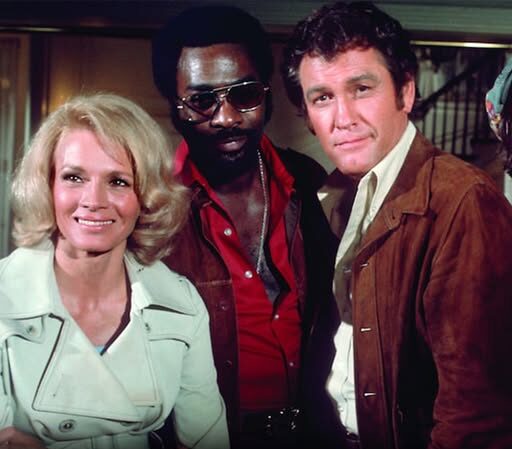
Ed Bernard Remembered for a Lasting Television Career and Quiet Impact
A Life Defined by Consistency and Craft
The passing of Ed Bernard marks the close of a career shaped by dedication, consistency, and a deep respect for the art of performance. Known to many for his steady presence on television, Bernard died at the age of 86 on January 23 in Northridge, California. His life in the entertainment industry spanned decades, leaving behind a body of work that resonated with audiences who valued authenticity over spectacle.
Throughout his career, Bernard built a reputation as a dependable and thoughtful performer. Rather than seeking attention, he focused on delivering grounded portrayals that fit naturally within the stories he helped bring to life. His roles often carried a quiet strength, contributing to the success of the productions in which he appeared.
Remembered by Family for More Than His Career
While audiences knew him through his roles, those closest to him remember a man whose identity extended far beyond the screen. His family described him as a devoted presence in their lives, emphasizing the qualities that defined him away from public attention.
“While the world knew him as a star, his family knew him as a devoted father, a proud grandfather and a man of deep curiosity.”
They also shared details about his personal passions and outlook on life.
“Ed was a true ‘foodie’ who loved sushi and healthy cooking, a lifelong learner and a man of great faith.”
These reflections highlight a life balanced between professional achievement and personal fulfillment, where curiosity and connection played central roles.
Early Beginnings and Stage Foundations
Born on July 4, 1939, in Philadelphia, Bernard’s journey into acting began on the stage. His early work included an off-Broadway appearance in “Five on the Black Hand Side” in 1969. This experience helped shape his approach to performance, grounding him in the discipline and structure that theater demands.
That early exposure to live performance gave him the tools to transition into film and television. The skills he developed on stage remained evident throughout his career, particularly in the way he approached character development and storytelling.
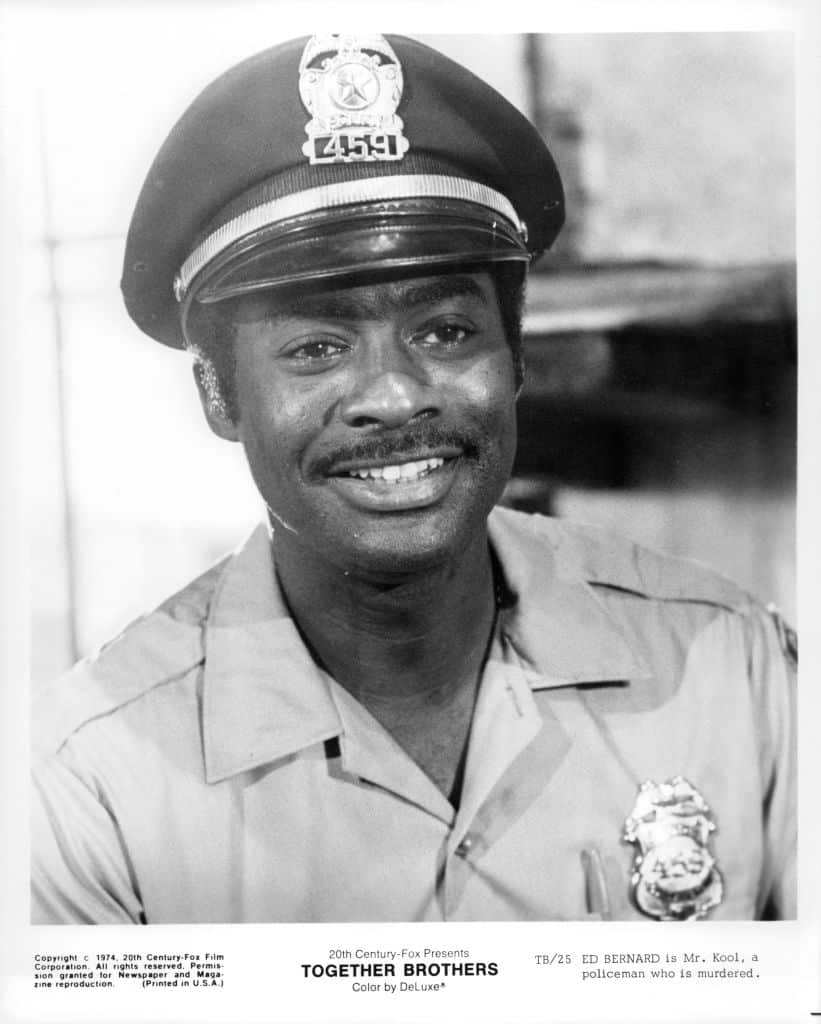
Transition to Film and Television
Bernard’s move into film marked an important step in expanding his reach as an actor. His early roles included appearances in “Shaft,” followed by “Across 110th Street” and “The Hot Rock.” These projects introduced him to a wider audience and demonstrated his versatility across different types of storytelling.
Although his film work contributed to his growing recognition, it was television that ultimately became the primary platform for his career. Through consistent appearances and memorable roles, he established himself as a familiar face in American households.
Breakthrough Role in Police Woman
One of Bernard’s most recognized roles came through his involvement in “Police Story,” particularly the 1974 episode titled “The Gamble.” This appearance led to a larger opportunity when the story evolved into the series “Police Woman.”
In the show, he portrayed undercover detective Joe Styles, a role that placed him alongside the central character of Sgt. “Pepper” Anderson. His performance brought balance to the series, complementing its focus on law enforcement while adding depth to the ensemble cast.
The show ran from 1974 to 1978, spanning four seasons. During that time, Bernard appeared in 90 episodes, becoming an integral part of its success. The series itself stood out for its portrayal of a female lead in a traditionally male-dominated field, and Bernard’s role supported that narrative by contributing a steady and grounded presence.
A Defining Role in The White Shadow
Following his success on “Police Woman,” Bernard took on another significant role in “The White Shadow.” In this series, he portrayed Principal Jim Willis, a character central to the environment of a high school where the story unfolded.
The show, centered around a former professional basketball player turned coach, explored themes related to education, social challenges, and personal growth. Bernard’s portrayal of the principal added a sense of authority and realism, helping anchor the series in a believable setting.
He remained part of the show for its first two seasons. His character’s departure, which involved taking a position with the Oakland Board of Education, reflected the thoughtful storytelling that defined the series. The transition aligned with the narrative’s broader themes, maintaining continuity while allowing the story to evolve.
A Steady Presence Across Television
Beyond his most well-known roles, Bernard maintained a consistent presence on television for many years. His career included appearances in a wide range of series, demonstrating both his versatility and his ability to adapt to different genres and styles.
His credits included roles in “Kojak,” “Mannix,” “What’s Happening!!,” “T.J. Hooker,” “NYPD Blue,” “ER,” “JAG,” “Becker,” and “Cold Case.” Each appearance contributed to a career defined by reliability and professionalism.
He also held a recurring role in “Hardcastle and McCormick” during the 1980s, further reinforcing his place within the television landscape of that era. In addition, he appeared in the 1983 film “Blue Thunder,” adding another dimension to his body of work.
Later Years and Personal Loss
Bernard continued working into the early 2000s, with his final on-screen credit coming in 2005. That same year brought personal hardship, as he experienced the loss of his wife, Shirley, after 44 years of marriage.
Despite the challenges that come with such loss, his career remained a testament to persistence and dedication. His ability to continue contributing to the industry over decades reflected both his passion for his work and his commitment to his craft.
Recognition and Lasting Impact
In later years, Bernard’s contributions were acknowledged through inclusion in the annual In Memoriam tribute by the Academy of Motion Picture Arts and Sciences. This recognition served as a quiet acknowledgment of a career that, while not always in the spotlight, left a meaningful mark on the industry.
His work exemplified a style of acting that prioritized authenticity and restraint. Rather than relying on dramatic displays, he brought a sense of realism to his performances, allowing characters to feel genuine and relatable.
These qualities often leave a lasting impression, resonating with audiences long after more attention-grabbing performances fade from memory.
A Legacy That Reflects an Era
Bernard’s career coincided with a period of change in television, particularly during the 1970s. As shows began to explore more complex characters and social themes, his work contributed to that evolving landscape.
His roles often supported narratives that went beyond simple entertainment, offering viewers a more nuanced look at the world around them. In doing so, he became part of a broader movement that helped shape modern television storytelling.
With his passing, he is recognized as the last member of the core cast of “Police Woman” to have passed away. This moment underscores the passage of time and the lasting influence of the series in which he played such an important role.
Remembering the Man Behind the Roles
Ed Bernard is survived by his sons, Edward and Mark, as well as his four grandchildren: Liz, Joshua, Samantha, and Alexandra. His family remains at the center of the legacy he leaves behind.
While his professional achievements are significant, it is clear that those closest to him remember him most for his personal qualities. His curiosity, dedication, and warmth defined him just as much as any role he played.
In many ways, his life represents a kind of success that is not always measured by headlines or awards. Instead, it is reflected in the steady contributions he made over time, both in his career and in his relationships.
A Career That Quietly Shaped Television
Ed Bernard’s legacy is one of consistency and authenticity. His work did not rely on spectacle or attention, but on a commitment to portraying characters with honesty and care.
Through decades of performances, he became a familiar presence to viewers who appreciated the depth he brought to his roles. His contributions helped shape the fabric of television during a period of growth and transformation.
As the industry continues to evolve, his career stands as a reminder of the value of steady craftsmanship. It is a legacy built not on fleeting recognition, but on enduring impact.