
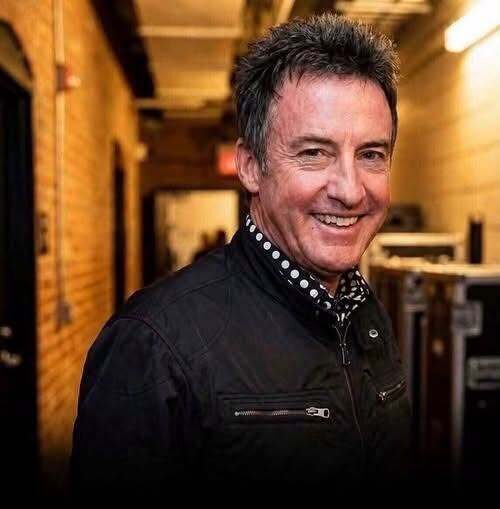
Rob Hirst Dies at 70, Leaving Behind a Powerful Musical and Activist Legacy
A Driving Force Behind Midnight Oil
The death of Rob Hirst at the age of 70 has left a deep sense of loss among listeners who connected with the music, energy, and social purpose that defined his long career.
As a founding member and drummer of Midnight Oil, Hirst helped create a sound that became closely associated with urgency, conviction, and a willingness to confront difficult issues. His performances were never simply about maintaining tempo. They gave the band’s music its momentum and emotional force.
For decades, his drumming provided the foundation for songs that explored justice, environmental responsibility, human rights, and the complex relationship between people and the land. His work helped transform those themes from ideas into immediate musical experiences.
The silence left by his passing feels especially significant because rhythm was central to his public identity. Hirst stood at the center of a musical storm, combining physical intensity with discipline, precision, and a clear understanding of what each song needed.
His death marks the end of an important chapter for a band whose work reached audiences far beyond Australia. The music remains, but the person responsible for much of its relentless pulse is gone.
More Than a Timekeeper
Hirst’s role within Midnight Oil extended far beyond the traditional expectations placed on a drummer. He was an essential part of the group’s creative structure and contributed to the development of its musical and lyrical identity.
His ability to combine technical control with raw energy gave the band a distinctive foundation. Even when the arrangements became complex, his playing preserved a feeling of urgency that kept the songs direct and emotionally accessible.
That balance was one of the defining qualities of his work. His drumming could feel forceful without overwhelming the other musicians, allowing each part of the band to remain connected to a shared purpose.
Hirst understood that power did not depend entirely on volume. A carefully placed rhythm, a sudden shift in intensity, or a sustained pattern could create tension and release in ways that strengthened the meaning of the lyrics.
His playing made political and social themes feel immediate. Rather than allowing the music to become distant or overly intellectual, he gave it movement, pressure, and a physical presence that demanded attention.
Music Built Around Purpose
Midnight Oil developed a reputation for addressing subjects that many mainstream performers avoided. The band’s work challenged listeners to think about national identity, environmental threats, inequality, and the responsibilities societies hold toward individuals and communities.
Hirst’s contribution was crucial to that approach. His rhythms provided the intensity needed to carry messages that were often uncomfortable, serious, and direct.
The songs did not present activism as something separate from music. The message and the performance existed together, with Hirst’s drumming often serving as the force that united them.
His work demonstrated how rhythm could communicate emotion even before a listener fully absorbed the words. Frustration, urgency, determination, and hope could all be expressed through the movement of the music.
This made him more than a performer supporting a cause. He was one of the architects responsible for turning the band’s convictions into a recognizable and enduring sound.
Through years of recording and touring, Hirst remained committed to the idea that music could entertain while also encouraging reflection. That commitment helped Midnight Oil maintain a clear identity throughout changes in the industry and shifts in popular taste.
From Early Rehearsals to Major Stages
The scale of Hirst’s career changed dramatically over time. The journey began in modest rehearsal settings and eventually reached enormous outdoor venues where the band performed before large audiences.
Despite that growth, the essential energy of his playing remained recognizable. The intensity that powered the band’s early work continued to shape its later performances and recordings.
For longtime followers, his drumming became one of the most familiar elements of the Midnight Oil experience. It created an immediate connection between the band’s earliest years and the more developed sound of its later career.
Performing on a major stage requires more than strength. It demands consistency, awareness, endurance, and the ability to remain connected to the other musicians throughout every change in a song.
Hirst demonstrated those qualities across decades of performances. His presence helped hold the band together during moments of musical complexity and emotional intensity.
Audiences often experienced his contribution as something both heard and felt. The force of the drums gave the music a physical impact that became a defining feature of the group’s live identity.
A Distinctive Performance Style
Hirst’s playing was marked by a rare combination of precision and instinct. He could deliver carefully controlled rhythms while maintaining an almost primal energy that made each performance feel alive.
That approach allowed him to support complex arrangements without making them sound mechanical. The songs retained a sense of motion and unpredictability, even when every musical detail had been refined.
His physical performance also became part of the band’s visual character. The effort and concentration behind the drum kit reflected the seriousness with which he approached the music.
There was no separation between technique and emotion in his strongest work. Each supported the other, creating performances that felt carefully constructed but never restrained.
Hirst also understood the importance of serving the collective sound. Although his playing could command attention, it remained integrated into the identity of the group rather than becoming an isolated display of individual skill.
This discipline helped Midnight Oil create music that sounded unified. The drums did not simply accompany the songs; they shaped their pace, atmosphere, and emotional direction.
A Songwriter and Creative Collaborator
Hirst’s influence was also evident in his songwriting contributions. He helped shape tracks that became central to the band’s body of work and its broader cultural impact.
Songwriting within a long-running group depends on trust and collaboration. Ideas must be tested, changed, refined, and combined before they become part of a finished recording.
Hirst’s involvement in that process showed the depth of his creative role. He was not limited to interpreting material after it had been written. He helped form the narratives and musical structures that audiences eventually heard.
His rhythmic instincts gave him a unique perspective on how a song should develop. He understood when tension needed to build, when the arrangement should pull back, and when the music required a powerful release.
Those decisions gave emotional weight to songs dealing with broad and complicated subjects. Questions of identity, justice, the environment, and human rights became more accessible through music that felt urgent and personal.
His collaborative approach also strengthened the unity of the band. Each member contributed to a shared identity that could not be reduced to a single voice, instrument, or personality.
An Artist Who Continued to Evolve
Hirst’s career was not defined by standing still. The movement from Midnight Oil’s early, raw sound to the more polished approach of later projects reflected a willingness to evolve without abandoning the band’s purpose.
The album Resist represented part of that continuing development. It showed that the group’s commitment to social and environmental concerns remained present even as its sound matured.
For Hirst, evolution did not mean rejecting the qualities that had made his work distinctive. His later performances still carried the urgency, control, and emotional force associated with his earlier years.
Instead, growth involved refining those qualities and applying them in new musical settings. The result was a body of work that remained connected across different stages of his life.
His dedication was also visible during farewell performances and final studio sessions. These later chapters were approached with a sense of appreciation for the journey shared by the musicians and their audience.
Rather than allowing the conclusion of the band’s active years to become purely nostalgic, Hirst continued to perform with purpose. His work retained the conviction that had shaped the group from the beginning.
A Connection That Extended Beyond the Stage
The response to Hirst’s passing reflects the personal connection many listeners formed with his music. For some, Midnight Oil’s songs were linked to particular periods of their lives. For others, the band helped shape their awareness of social and environmental questions.
Hirst’s drumming was part of those memories. Its energy accompanied moments of discovery, protest, reflection, and change for people across different generations.
The strength of that connection demonstrates how musical influence can extend beyond technical achievement. A performer may be remembered not only for skill, but also for the emotions, ideas, and experiences attached to the work.
Hirst’s daughter has expressed profound gratitude for the songs they shared, offering a more intimate view of the person behind the public performances.
That family perspective reveals another part of his legacy. Behind the demanding tours, recordings, rehearsals, and public commitments was a man whose life also contained private relationships and deeply personal bonds.
He is survived by his family, who continue to honor his memory with dignity and strength. Their loss exists alongside the wider grief of fans and fellow musicians, but it carries a private depth that public tributes cannot fully express.
A Rhythm That Will Continue to Be Heard
Rob Hirst leaves behind a musical legacy built through discipline, collaboration, and a sustained belief in the power of art to carry meaningful ideas.
His contribution to Midnight Oil helped define the band’s sound and supported its transformation from an energetic emerging group into an internationally recognized musical force.
He gave political songs momentum without allowing their messages to overwhelm their humanity. Through rhythm, he made large subjects feel immediate, emotional, and connected to everyday experience.
His influence can still be heard in the recordings that remain. Each performance preserves something of his precision, physical power, and instinctive understanding of how rhythm can shape a message.
The loss of such a central figure creates a profound sense of quiet, particularly for those who associated Hirst with movement, urgency, and sound. Yet his work ensures that the silence will never be complete.
The songs will continue to carry the pulse he created. They will remain part of the collective memory of audiences who saw him not only as a drummer, but also as a songwriter, collaborator, activist, and catalyst for awareness.
Hirst’s life demonstrated that music can be forceful without losing thoughtfulness and politically engaged without abandoning emotional depth. His performances joined physical intensity with intellectual purpose in a way that few artists achieve.
At 70, his journey has ended, but the impact of his work remains immediate. The drums may have stopped, yet the rhythm continues wherever Midnight Oil’s music is played, remembered, and passed from one generation to the next.