
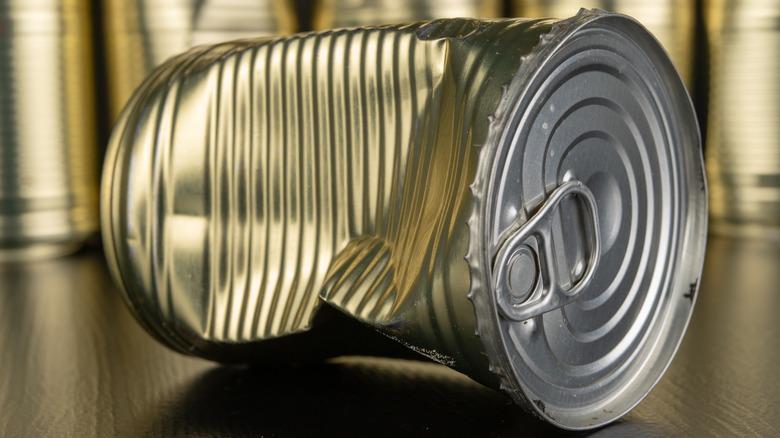
The Hidden Risk in Your Pantry: When a Dented Can Becomes a Real Concern
A Moment That Changes Everything
It often starts with a simple glance. You reach into your pantry, pull out an old can, and something feels off. The metal looks uneven, the surface slightly warped, and suddenly what seemed like a routine choice becomes uncertain.
That small moment of hesitation can turn into a deeper concern. What once felt like a convenient meal option now raises an important question about safety and risk.
Many people have faced this situation and made a quick decision without thinking twice. However, not every can is as harmless as it appears.
Why Canned Food Is Usually Safe
Canned goods are designed with safety in mind. The process used to seal and preserve food involves high temperatures that eliminate harmful bacteria and create a vacuum inside the container.
This airtight environment prevents contamination and allows food to remain stable for long periods. In most cases, unopened canned food can last for years without posing any danger.
The metal container itself acts as a protective barrier, shielding the contents from external elements such as air, moisture, and microorganisms.
When the Protection Breaks Down
Problems arise when the integrity of that protective barrier is compromised. Damage to the can can weaken the seal, allowing bacteria or air to enter.
Unlike fresh food, where spoilage may be visible or easily detected, canned food can sometimes hide signs of contamination. This makes it more difficult to determine whether the contents are still safe.
A dent might seem like a minor flaw, but depending on its location and severity, it can signal a much larger issue.
Understanding the Types of Damage
Not all dents carry the same level of risk. Some are purely cosmetic, while others can indicate structural damage that affects the safety of the food inside.
Shallow dents that are smooth and located away from seams are generally less concerning. These typically do not interfere with the internal seal or compromise the contents.
However, deeper dents—especially those that create sharp edges or creases—can weaken the metal and disrupt the airtight environment.
The Danger Around Seams
The seams of a can are particularly important. These areas are where the metal is joined together, forming the seal that keeps the contents safe.
Damage along these seams increases the likelihood that the seal has been broken. Even a small compromise in this area can allow harmful bacteria to enter.
This is why dents near seams should always be treated with caution. They represent a higher risk compared to dents on flat surfaces.
Warning Signs You Should Never Ignore
Beyond dents, there are several clear indicators that a can should not be used. Bulging is one of the most serious warning signs.
A swollen can suggests that gas has built up inside, often due to bacterial activity. This is a strong indication that the contents are unsafe.
Other signs include rust, leaking liquid, or any unusual discharge when the can is opened.
What Happens When You Open It
The moment a can is opened can reveal important clues. A sudden release of pressure, unusual sounds, or unexpected bubbling may indicate spoilage.
Strange odors are another clear signal. If the smell is off or unpleasant, it is best to avoid consuming the contents.
These signs should never be ignored, as they often point to contamination that is not visible from the outside.
The Cost of Taking a Chance
It can be tempting to use a questionable can, especially when trying to avoid waste. However, the potential consequences can outweigh any savings.
Foodborne illness is a serious risk, and in some cases, it can lead to severe health complications. The uncertainty alone is enough to justify a cautious approach.
Choosing to discard a doubtful item is not a loss, but a step toward protecting your well-being.
Making Safer Choices Every Day
Developing a habit of checking canned goods before use can significantly reduce risk. A quick inspection can reveal issues that might otherwise go unnoticed.
Look for dents, rust, and any signs of swelling. Pay attention to how the can feels and whether the surface appears intact.
These simple checks take only seconds but can make a meaningful difference in maintaining safety.
Proper Storage Matters
How cans are stored also plays a role in their condition over time. Keeping them in a cool, dry place helps preserve their integrity.
Avoid stacking cans too high or placing heavy items on top of them, as this can lead to dents and damage.
Organizing your pantry in a way that allows easy access and visibility can prevent overlooked items from becoming a risk.
When in Doubt, Let It Go
Uncertainty is often the clearest signal that something is not right. If a can raises any concerns, it is better to err on the side of caution.
There is no reliable way to test the safety of compromised canned food at home. This makes prevention and awareness the most effective strategies.
Discarding a questionable can is a small decision that can prevent a much larger problem.
Building a Safer Routine
Incorporating safe handling practices into daily routines can create lasting habits. Regularly rotating pantry items ensures that older cans are used first.
Keeping track of purchase dates and avoiding long-term neglect of stored food can reduce the chances of encountering damaged items.
These practices contribute to a more organized and secure kitchen environment.
The Bigger Picture
A single dented can might seem insignificant, but it represents a broader lesson about food safety. Awareness and attention to detail can prevent unnecessary risks.
Understanding how canned food works and recognizing potential warning signs empowers better decision-making.
This knowledge transforms a moment of uncertainty into an opportunity for protection and control.
Turning Awareness Into Action
What begins as a quick glance at a pantry shelf can lead to a deeper understanding of everyday safety. Each choice, no matter how small, contributes to overall well-being.
By staying informed and cautious, it becomes easier to avoid unnecessary risks and maintain confidence in the food you consume.
In the end, the decision is simple: when something doesn’t feel right, choosing safety is always the better option.