
Shania Twain’s Journey From Poverty and Loss to Global Music Stardom
A Life Shaped by Hardship and Determination
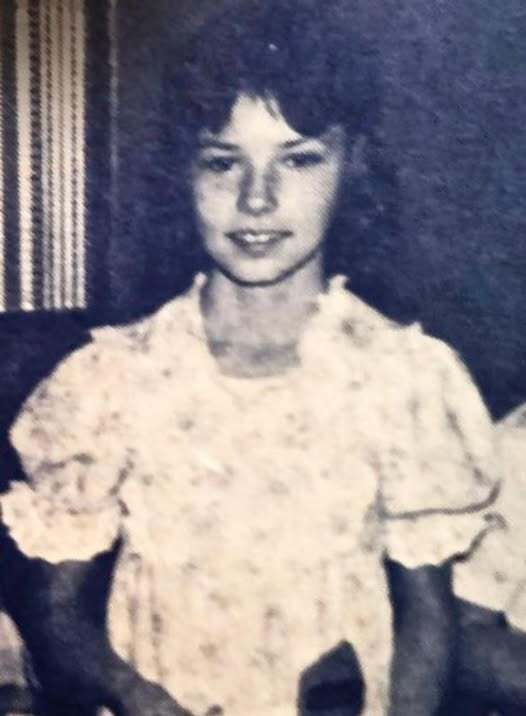
Shania Twain’s rise to international fame was built on far more than talent, ambition, and a love of music. Her story began in Timmins, Ontario, where childhood was marked by poverty, family instability, and responsibilities that arrived far earlier than they should have.
Long before she became one of the most recognizable voices in country and pop music, Shania lived through a difficult home life that forced her to grow up quickly. Her early years were filled with financial struggle, emotional strain, and moments of fear that would shape the person and artist she later became.
Music became more than a dream for her. It became a way to endure hunger, loneliness, and uncertainty. Through each painful chapter, she held onto singing and songwriting as a source of comfort and eventually as a path toward survival.
Growing Up in Poverty in Timmins
Shania was raised in a household where basic needs were often hard to meet. Her stepfather worked in reforestation, but the pay was low, and her mother struggled with depression. With five children in the family, money was constantly tight.
Food was not always available, and the pressure of poverty followed Shania into school. She sometimes had no lunch to bring with her, but instead of explaining the painful truth, she tried to hide it from classmates.
At school, she would make excuses such as, “It’s in my locker,” so others would not know she had nothing to eat. The embarrassment of hunger stayed with her, but so did the strength she developed while trying to protect herself from judgment.
When life at home became too heavy, Shania found a quiet escape in nature. She would take her guitar into the forest, build a small fire, and sing. Those private moments helped her cope with hunger and emotional pain.
The forest became a place where she could briefly step away from the difficulties surrounding her. With her guitar in her hands, she could turn fear and sadness into sound, giving herself a sense of peace when little else felt stable.
Early Performances and Family Pressure
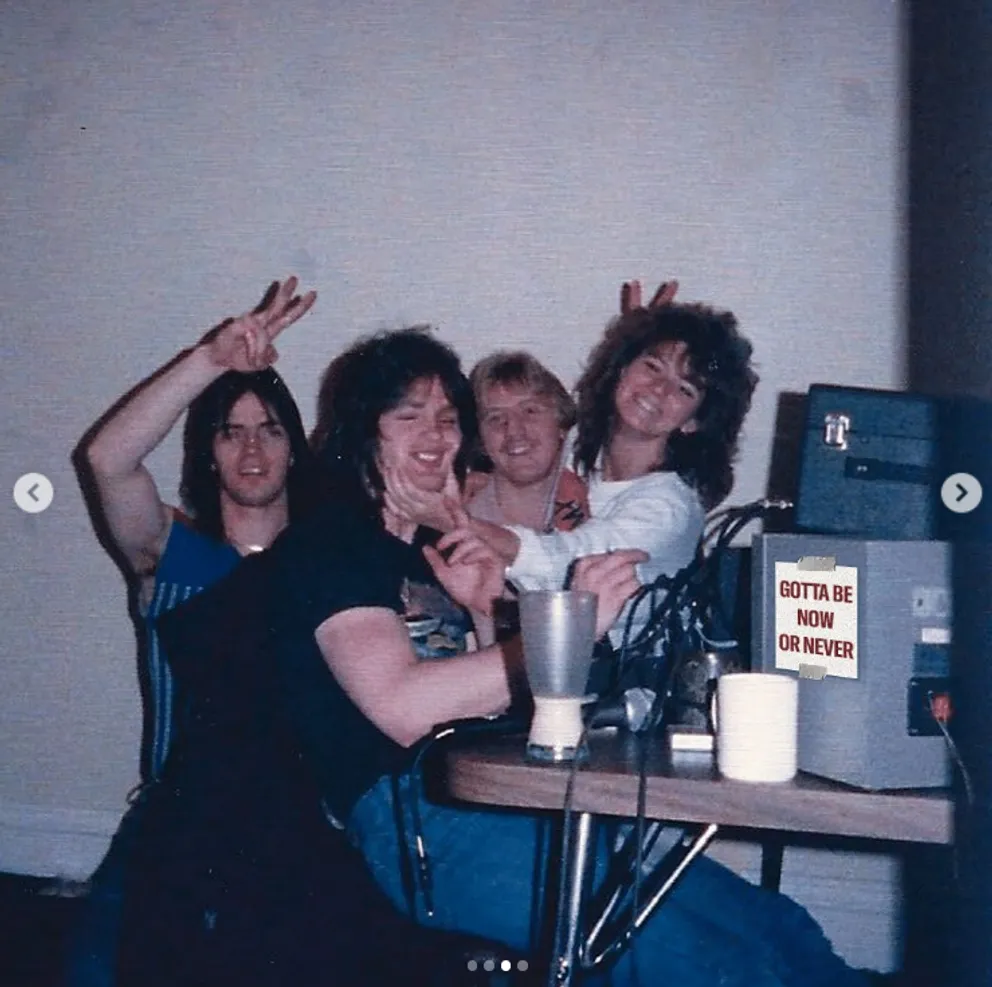
Shania’s mother noticed her musical ability when she was still very young. By the age of eight, Shania was already being taken to local bars to perform, even though she was still a child.
Because of legal restrictions, she performed late at night, after midnight, when the crowd had already been drinking. These performances exposed her to adult spaces at an age when most children were asleep at home.
Music was not only a passion in her family’s life. It also became a practical way to help. Shania’s voice offered hope in a home where money was scarce and the future often felt uncertain.
By the time she was fourteen, she was working at McDonald’s while also attending school and singing in bars. She balanced responsibilities that would have been difficult for an adult, let alone a teenager.
Those years showed the discipline that would later define her career. Even while carrying the pressure of poverty and family expectations, she continued to develop her voice and remain connected to the dream of a better life.
Abuse and Trauma Behind Closed Doors
Shania’s childhood struggles were not limited to financial hardship. Her home life also included abuse, creating an environment where fear was a constant presence.
Her stepfather, who legally adopted Shania and her siblings, was part of that painful chapter. The atmosphere at home left deep emotional wounds, and Shania later described moments when survival instincts took over.
In one memory, she found the courage to defend herself by throwing a chair at him. That moment reflected the fear and desperation of a young girl trying to protect herself in a dangerous situation.
The trauma went beyond physical harm. From the age of ten, Shania endured sexual abuse from her stepfather. It was a devastating betrayal that deeply affected her sense of safety and trust.
For years, she carried that pain privately. When she eventually spoke openly about it, her story became part of a larger message about the importance of breaking silence and acknowledging the truth of painful experiences.
When her stepfather later died in a car accident, Shania was left with complicated emotions. His death ended the abuse, but it did not erase the trauma or answer the questions that remained from those years.
Sudden Loss and a New Role at Twenty-Two
At twenty-two, Shania faced another life-altering tragedy. Her mother and stepfather died in a car crash, leaving her younger siblings without their parents.
At an age when many people are still building their own independence, Shania became responsible for keeping her family together. She put parts of her own dream aside so she could care for her four younger siblings.
Her daily life became demanding and exhausting. She chopped wood to heat the home, helped prepare her siblings for school, and worked to make sure the family remained stable.
To earn money, she began singing at a resort hotel. Performing was no longer only about pursuing music; it was also about survival and responsibility.
The pressure was enormous, but Shania remained focused. She wanted to protect her siblings while still holding onto the possibility that music could eventually give all of them a better future.
Finding Her Way Back to Music
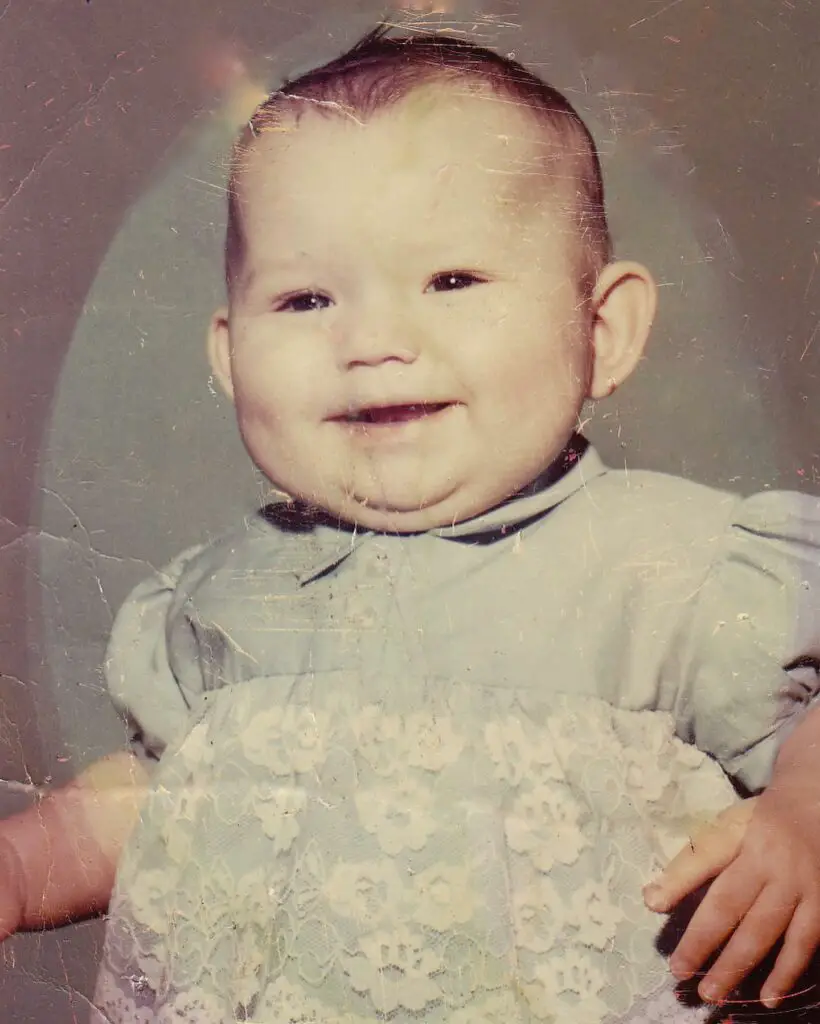
As her siblings grew older and became more independent, Shania slowly returned her focus to her own career. The dream she had carried since childhood had never disappeared.
She recorded a demo and sent it to record labels, hoping her voice and songs would open a door. Eventually, Mercury Nashville took notice, giving her the professional opportunity she had worked toward for years.
Signing with the label marked an important turning point. After years of hardship, sacrifice, and responsibility, Shania finally had a chance to build a career on a much larger stage.
Her early professional path showed how long she had been preparing for that moment. The child who once sang in bars after midnight and played guitar in the forest had become a determined artist ready to be heard.
Rise to International Stardom
Shania’s career changed dramatically through her collaboration with producer Robert “Mutt” Lange. Their creative partnership helped shape the sound that brought her worldwide success.
Together, they created songs that reached audiences across country and pop music. Her voice, image, and songwriting connected with listeners far beyond her early beginnings in Ontario.
The success transformed Shania into a global icon. She became known not only for her music but also for the strength and confidence she brought to the stage.
Her rise was especially powerful because of everything that had come before it. Fame did not erase her difficult past, but it showed how far she had come from the poverty and pain of her childhood.
For fans, her story added meaning to her songs. Behind the polished performances was a woman who had survived loss, abuse, hunger, and responsibility before finding her place in the world.

Betrayal, Heartbreak, and a New Beginning
Shania’s relationship with Lange was not only professional. Their personal connection became part of her life and career, but it eventually ended in heartbreak.
She later discovered that Lange had been involved with her close friend. The betrayal devastated her and brought another painful chapter into a life that had already included deep personal loss.
During that period, Shania found understanding in Frédéric Thiébaud, the husband of the woman involved in the affair. Both were dealing with similar pain, and that shared experience brought them closer.
Shania and Frédéric eventually married in 2011. Their relationship represented a new beginning after a time of emotional collapse and public heartbreak.
Rather than allowing betrayal to define the rest of her life, Shania chose to rebuild. She focused on healing, love, and the parts of her journey that still offered hope.
Facing a Serious Health Challenge
Years later, Shania confronted another obstacle when Lyme disease affected her voice. For a singer whose identity and career were built around performing, the condition created a frightening uncertainty.
She struggled with her voice for about a decade. The issue changed the way she sang and forced her to face the possibility that the sound fans knew might never be exactly the same again.
Eventually, she underwent surgery. When she returned to music, her voice had changed, but she chose to embrace the difference rather than step away from performing.
That decision reflected the same resilience that had carried her through earlier struggles. Instead of letting the health challenge silence her, she adapted and continued moving forward.

A Legacy Built on Resilience
Shania Twain’s life story is not simply a rise from poverty to fame. It is a story of survival through repeated hardship, including hunger, family trauma, sudden loss, betrayal, and illness.
Each chapter could have stopped her, but she continued to find a way through. As a child, she turned to music for comfort. As a young adult, she used music to support her family. As a star, she used her voice to reach millions.
Her journey from Timmins, Ontario, to international stardom remains a powerful example of perseverance. She transformed painful experiences into strength and built a career that continues to inspire fans around the world.
Shania’s legacy is shaped not only by hit songs and global recognition, but also by the courage it took to keep going. Her life reminds people that resilience can grow even in the hardest conditions, and that hope can survive through loss, change, and uncertainty.