
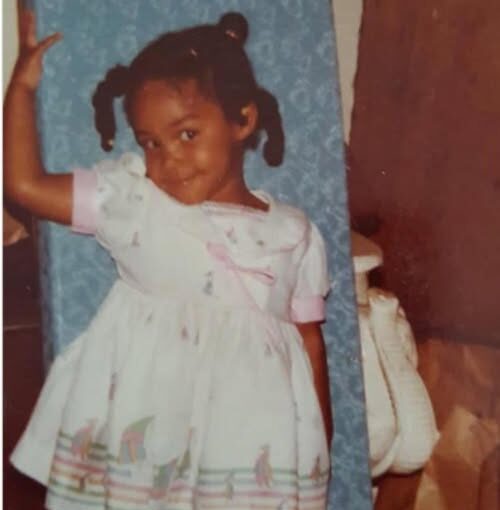
Tiffany Haddish’s Journey From Childhood Hardship to Entertainment Success
A Childhood Shaped by Responsibility
Tiffany Haddish has often spoken about a childhood that forced her to grow up far earlier than most children should. Long before she became widely known for her comedy, acting, and public presence, she was a young girl carrying responsibilities that belonged to adults.
At one point, Haddish described herself as a “10-year-old mom,” a phrase that reflected the role she took on after her mother was no longer able to care for the family in the same way. As the eldest child, she found herself looking after her younger siblings during a period marked by instability, fear, and uncertainty.
The contrast between her early life and her later success is striking. Today, Haddish is recognized as one of the most influential figures in entertainment, but the road that led her there was filled with emotional pain, family disruption, and years of being made to feel less capable than she truly was.
Growing Up in South Central Los Angeles
Haddish was raised in South Central Los Angeles, where instability became part of her daily life from a young age. Her father left when she was only three years old, leaving her family structure shaken during her earliest years.
Frequent moves added to that sense of insecurity. Haddish later recalled packing her belongings into trash bags, an experience that deeply affected how she saw herself. Instead of feeling cared for and protected, she felt disposable, as though her life and possessions could be gathered up and moved without warning.
That kind of repeated upheaval shaped her self-esteem. For a child, home is often supposed to provide safety and belonging, but Haddish’s early years were marked by change, uncertainty, and a lack of emotional stability.
The pressure only grew stronger after a devastating event involving her mother. When Haddish was nine, her mother, Leola, was injured in a serious car accident that caused brain damage. The accident changed the entire family’s life and placed an enormous emotional burden on Haddish.
Her Mother’s Accident Changed Everything
After the accident, Leola struggled with basic functioning. The woman Haddish had known before was no longer the same, and the family environment became increasingly difficult.
Her mother became volatile and, at times, directed anger and abuse toward her eldest daughter. Haddish was still a child herself, yet she was forced to navigate a household where the person meant to protect her was now struggling in ways that affected everyone around her.
The emotional toll was severe. Haddish was expected to manage responsibilities far beyond her age while also enduring criticism and mistreatment. Instead of receiving reassurance, she was repeatedly told she was “stupid.”
Over time, that label took root. Children often believe what adults tell them about themselves, especially when those words are repeated in moments of vulnerability. For Haddish, being called incapable became something she internalized, even though it did not reflect her true intelligence or potential.
Struggling in School While Carrying Pain at Home
By the time Haddish reached high school, she still could not read. Her struggle was not because she lacked intelligence. It was because she had never received the proper support and instruction she needed.
Surrounded by adults who treated her as though she was incapable, she began to believe the harsh judgments placed on her. The combination of family chaos, emotional neglect, and educational gaps left her feeling trapped by a false version of herself.
That began to change when a teacher stepped in. The teacher worked with Haddish privately and helped her begin learning to read. For Haddish, that intervention became a turning point.
Learning to read opened a door that had been closed for too long. It also challenged the painful belief that she was not smart enough to succeed. Slowly, she began to understand that the problem had never been her ability, but the lack of support she had received.
Becoming a Caretaker at a Young Age
As her mother’s condition worsened, Haddish’s role in the family became even heavier. Eventually, Leola was diagnosed with schizophrenia and institutionalized. After that, Haddish and her siblings entered foster care.
For Haddish, foster care did not erase the sense of responsibility she already felt. She had spent years trying to care for her younger siblings and manage the needs of those around her. That is why she later described herself as a “10-year-old mom.”
The phrase captures more than simple responsibility. It reflects a childhood in which Haddish had to think like a parent before she had fully experienced what it meant to be cared for as a child.
She was not only dealing with her own fear and confusion. She was also trying to protect and support younger children who depended on her during a deeply unstable period.
Trauma in Group Homes
Life in group homes brought more pain. Haddish has spoken openly about being bullied, assaulted, and raped as a teenager. These experiences added deep emotional wounds to an already difficult childhood.
The trauma she endured during those years could have silenced her. Instead, she gradually found a way to survive through humor. Comedy became more than a skill or ambition; it became a form of protection.
Humor gave Haddish a way to respond to pain without being consumed by it. It helped her reclaim control in moments when life had made her feel powerless.
A social worker once gave her a choice between therapy and a comedy workshop. Haddish chose comedy, and that decision changed the course of her life. The workshop gave her a place to turn her voice, pain, and observations into something powerful.
Comedy Became Her Way Forward
For Haddish, laughter became both shield and purpose. It allowed her to process experiences that might otherwise have remained buried in silence. Through stand-up, she discovered that her story could connect with people.
Her comedy did not come from an easy life. It came from survival, resilience, and the ability to transform hardship into honesty. The pain she had carried for years became part of the voice that made her stand out.
As she moved into stand-up and later acting, Haddish continued building on that foundation. Her path was not immediate or simple. Before becoming a household name, she faced major financial hardship and experienced homelessness.
At times, she lived in her car while continuing to pursue her career. Those years tested her determination, but they also strengthened the promise she had made to herself that persistence and faith would eventually lead her toward stability.
Breakthrough With Girls Trip
Haddish’s major breakthrough came in 2017 with the comedy Girls Trip. Her performance earned widespread praise and helped introduce her to a much larger audience.
The success of Girls Trip marked a dramatic turning point in her career. After years of struggle, uncertainty, and hardship, Haddish was finally being recognized for the talent and presence she had worked so hard to develop.
The moment carried added weight because of everything she had overcome before reaching it. Her rise was not simply a story of entertainment success. It was also the result of years of endurance through poverty, instability, abuse, and rejection.
Her ability to make audiences laugh was rooted in a life that had often given her little reason to smile. That made her success feel especially meaningful to people who saw parts of their own struggles reflected in her journey.
Reclaiming Pain Through Humor
Haddish also transformed childhood humiliation into part of her public identity. One example was the nickname “dirty unicorn,” which came from classmates mocking a wart on her forehead.
Instead of allowing that insult to remain a source of shame, she reclaimed it through her memoir and comedy. What once had been used to hurt her became something she turned into a symbol of strength and individuality.
That pattern appears throughout Haddish’s life. Again and again, she took experiences that could have defined her negatively and reshaped them into parts of a larger story about survival.
Her comedy often reflects that transformation. It is not built on pretending the pain never happened. It is built on confronting it, naming it, and finding a way to move forward without letting it control the future.
Historic Career Milestones
Haddish’s career eventually reached historic milestones. She became the first Black female stand-up comedian to host Saturday Night Live, a major achievement in entertainment.
She also won a Grammy for Best Comedy Album, becoming the first Black woman to do so since Whoopi Goldberg in 1986. The recognition placed her among a small and significant group of performers who changed what was possible in comedy.
These accomplishments carried meaning beyond awards and titles. They represented the distance Haddish had traveled from a childhood in which she was told she was incapable.
The girl who once believed she was “stupid” because adults repeated it to her became a celebrated performer with a powerful voice. Her story challenges the idea that early labels have to become permanent truths.
A Mission Rooted in Survival
Despite her fame, Haddish continues to emphasize the importance of inspiring people who have been told they would never amount to anything. Her message is deeply connected to her own past.
She understands what it feels like to be dismissed, overlooked, and underestimated. She also knows what it means to fight through conditions that could have easily prevented her from pursuing a future in entertainment.
Her life stands as an example of how difficult beginnings do not have to determine the ending. The instability, abuse, foster care, homelessness, and humiliation she endured became part of her story, but they did not become the final chapter.
Haddish’s journey from a child forced into adult responsibilities to a respected figure in entertainment reflects extraordinary resilience. It shows how support, persistence, humor, and self-belief can help a person rebuild after years of pain.
From South Central Los Angeles to major stages and screens, Tiffany Haddish’s path has been shaped by hardship, but also by determination. Her rise is not only about success in comedy and acting; it is about refusing to let the worst moments of childhood define the rest of life.