
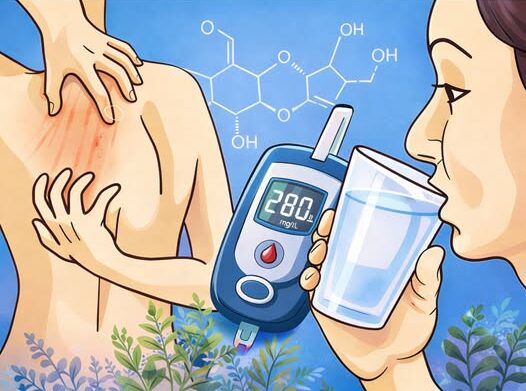
Recognizing Common Signs of High Blood Sugar and Why They Shouldn’t Be Ignored
When Everyday Symptoms Begin to Raise Questions
Feeling unusually tired, constantly thirsty, or noticing changes in vision can disrupt normal routines and create concern. These symptoms may appear gradually, making them easy to dismiss as stress, poor sleep, or everyday fatigue.
However, when these issues continue for long periods, they can leave people wondering whether an underlying health issue might be responsible. One possible cause behind these persistent changes is elevated blood sugar.
Learning to recognize the warning signs early can help people better understand what their body might be signaling. Paying attention to these changes can encourage timely steps toward improving overall health and well-being.
What High Blood Sugar Means for the Body
High blood sugar, also known as hyperglycemia, occurs when excess glucose builds up in the bloodstream. This situation often develops when the body has difficulty producing enough insulin or when insulin cannot properly move glucose into cells.
Glucose plays an essential role as a source of energy. When it remains in the bloodstream rather than being used by cells, the body begins to experience imbalances that can affect multiple systems.
Various factors may contribute to this condition. Diet, stress levels, physical activity, and certain health conditions can all influence how the body manages blood sugar.
Because symptoms may appear slowly, many people overlook the early signs. Recognizing these signals can help individuals take action before the situation becomes more serious.

Frequent Urination as an Early Warning Sign
One of the most noticeable early indicators of high blood sugar is frequent urination. People may find themselves visiting the bathroom far more often than usual, including several times during the night.
This occurs because the kidneys work harder to remove excess glucose from the bloodstream. As they filter the additional sugar, they also draw water from the body to flush it out through urine.
The result is increased urination that can disrupt daily activities and sleep patterns. Over time, this repeated cycle can leave people feeling drained and dehydrated.
Persistent Thirst That Doesn’t Go Away
Frequent urination often leads to another common symptom: ongoing thirst. Even after drinking water, some people may continue to feel dry-mouthed or unable to quench their thirst.
This happens because the body loses significant amounts of fluid while trying to remove excess glucose. As dehydration develops, the body sends signals encouraging increased fluid intake.
The combination of thirst and frequent urination can become a frustrating cycle. Many individuals notice these symptoms occurring together before realizing they may be related to blood sugar levels.

Blurred Vision and Changes in Eye Focus
Vision problems can also appear when blood sugar levels rise. Some individuals experience blurred vision, making it harder to read text, work on screens, or focus on small details.
Excess glucose in the bloodstream can pull fluid from the tissues of the eyes. This process temporarily alters the shape of the eye’s lens, which affects how light is focused.
Although vision may return to normal when blood sugar levels stabilize, repeated episodes can signal that the body is struggling to maintain balance. Because eyesight plays a major role in daily independence, this symptom often causes significant concern.
Persistent Fatigue Despite Adequate Rest
Fatigue is another frequently reported symptom linked to high blood sugar. Many people describe feeling exhausted even after getting what should be a sufficient amount of sleep.
This lack of energy occurs because the body’s cells cannot effectively use glucose for fuel. When glucose remains in the bloodstream instead of entering the cells, the body struggles to produce the energy it needs.
As a result, individuals may feel sluggish or drained throughout the day. Activities that once felt easy can become difficult when energy levels remain consistently low.
Unexpected Weight Loss
Weight loss without intentional changes to diet or exercise can sometimes accompany elevated blood sugar levels. While some people may initially view weight loss positively, unexpected changes can signal that the body is under stress.
When insulin does not function effectively, the body may begin breaking down stored fat and muscle to use as alternative energy sources. This process can lead to noticeable drops in weight over time.
Unexplained weight loss combined with other symptoms may indicate that the body is struggling to properly regulate glucose.

Increased Risk of Infections
Another issue some individuals experience is a higher frequency of infections. Conditions such as yeast infections or urinary tract infections may occur more often when blood sugar levels remain elevated.
High glucose levels can create an environment that allows bacteria and fungi to grow more easily. This makes the body more vulnerable to certain types of infections.
Recovery from these infections may also take longer than usual, which can add further discomfort and frustration.
Slow-Healing Wounds
Delayed healing is another sign sometimes linked to high blood sugar. Cuts, bruises, or minor injuries may take longer to improve compared with normal healing times.
This occurs because elevated glucose levels can affect circulation and the body’s ability to repair tissues efficiently. When wounds heal slowly, it can increase the risk of complications if proper care is not taken.
For many people, noticing slower recovery from everyday injuries becomes an important signal that something may need attention.

Everyday Habits That Support Balanced Blood Sugar
Managing blood sugar levels often involves practical lifestyle habits that support overall health. Small adjustments to daily routines can contribute to better balance over time.
Choosing balanced meals that include fiber-rich vegetables, lean proteins, and whole grains may help maintain steady energy levels. Monitoring portion sizes, particularly for carbohydrate-heavy foods, can also support better blood sugar management.
Regular physical activity plays an important role as well. Simple activities such as walking can help the body use glucose more efficiently.
Staying hydrated, maintaining consistent sleep habits, and managing stress are additional factors that contribute to overall metabolic balance.
Some individuals may also track their blood sugar levels if advised to do so by a healthcare professional. Monitoring changes over time can help people better understand how different habits affect their health.
Listening to the Body’s Signals
Symptoms like fatigue, thirst, or blurred vision can feel concerning, especially when they persist for long periods. While these experiences can be unsettling, they also serve as valuable signals that the body may need attention.
Recognizing early warning signs allows individuals to make informed decisions about their health. Even small adjustments in lifestyle can sometimes lead to meaningful improvements in energy and comfort.
Paying attention to these signals encourages a proactive approach to well-being rather than waiting for symptoms to worsen.
Frequently Asked Questions
What are some common early symptoms of high blood sugar?
Frequent urination, ongoing thirst, fatigue, and blurred vision are commonly reported early signs that may appear when blood sugar levels rise.
Can high blood sugar affect body weight?
Yes. Some individuals experience unintended weight loss because the body may begin using stored fat or muscle as an energy source when glucose cannot be used effectively.
When should someone seek medical advice?
If symptoms continue, worsen, or are accompanied by additional concerns such as confusion, nausea, or unusual breath odor, it is important to seek medical evaluation.
Disclaimer
This article is intended for informational purposes only and does not diagnose, treat, cure, or prevent any medical condition. Individuals experiencing symptoms related to blood sugar or other health concerns should consult a qualified healthcare professional for personalized guidance.