
How to Improve Your Sleep Position for Better Comfort and Overall Health
Why sleep position matters
The way you sleep plays a major role in how your body feels each morning. Even after getting enough hours of rest, poor positioning can lead to discomfort such as neck stiffness or back pain.
One commonly used position, sleeping on the stomach, may feel comfortable initially. However, it often places unnecessary strain on the body, which can lead to tension and discomfort after waking.
Sleep posture affects not only physical comfort but also the quality of rest your body receives. Small adjustments can make a noticeable difference in how refreshed you feel each day.
Challenges of stomach sleeping
Sleeping on the stomach can create pressure on the spine and surrounding muscles. This position may also cause the neck to remain turned for long periods, leading to stiffness.
It can also affect breathing by placing weight on the chest area. This may make it more difficult to relax fully and reach deeper stages of sleep.
Over time, repeated strain from this position can contribute to ongoing discomfort, especially in the neck and lower back.
Benefits of sleeping on your side
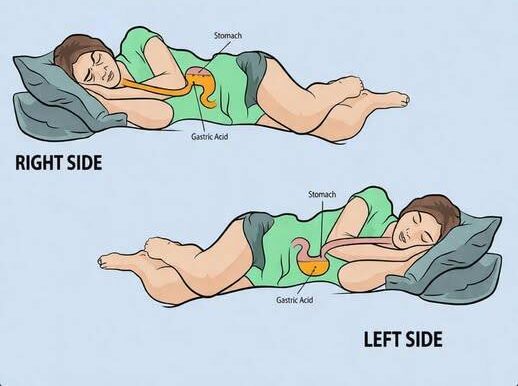
Switching to a side sleeping position can help promote better alignment of the spine. This position supports the natural curve of the body and reduces pressure on joints.
Side sleeping may also help keep airways open, which can support smoother breathing throughout the night. This can be particularly helpful for individuals who experience snoring.
For those seeking improved comfort, side sleeping offers a balanced and supportive posture that encourages more consistent rest.
How to set up your bed for better support
Creating a supportive sleep environment can make it easier to maintain a comfortable position throughout the night. Using a body pillow can help keep your body aligned and prevent unnecessary movement.
Placing a pillow between your knees can support your hips and reduce pressure on your lower back. This simple adjustment helps maintain a neutral position while sleeping on your side.
Your head should remain level with your mattress to avoid straining your neck. Using too many pillows can elevate your head too much, which may lead to discomfort.
Supporting your neck and spine
Proper head and neck alignment are essential for preventing tension. The head has noticeable weight, and improper positioning can place stress on the neck during sleep.
Choosing the right pillow height can help keep your neck in a natural position. This reduces the likelihood of waking up with stiffness or discomfort.
Maintaining a straight posture, rather than curling tightly, also supports better breathing and overall comfort.
Choosing the right mattress
Your mattress plays a key role in how well your body is supported. A mattress that is too soft may not provide enough structure, while one that is too firm may feel uncomfortable.
The ideal mattress should offer a balance between support and cushioning. This helps your body stay aligned while still feeling comfortable.
If you frequently change positions during the night, it may be a sign that your mattress is not meeting your needs.
The connection between sleep and overall health
Sleep is essential for more than just rest. During deeper stages of sleep, the body works to repair tissues and maintain important functions.
Consistent, high-quality sleep supports physical well-being and helps maintain energy levels throughout the day. Poor sleep, on the other hand, can lead to fatigue and reduced focus.
Comfort during sleep plays a direct role in achieving these deeper stages, making posture and support especially important.
Creating a relaxing bedtime routine
Stress can make it difficult to settle into a comfortable sleep position. Establishing a calming routine before bed can help your body prepare for rest.
Simple activities such as reading, taking a warm bath, or relaxing without screens can signal to your body that it is time to sleep.
Reducing stress before bedtime can also help you stay in a stable position throughout the night and wake up feeling more refreshed.
Finding what works best for you
While side sleeping is often recommended, comfort remains a personal preference. Some individuals may find that sleeping on their back works well when proper support is used.
Placing a pillow under the knees while lying on the back can help support the spine and reduce pressure.
Making small adjustments to your sleep position and environment can lead to noticeable improvements in comfort and rest quality.
Final thoughts on better sleep
Improving your sleep does not always require major changes. Simple adjustments to your position, pillow placement, and mattress can have a lasting impact.
By focusing on proper alignment and creating a supportive environment, you can reduce discomfort and improve overall sleep quality.
With consistent habits and the right setup, waking up feeling rested and comfortable can become part of your daily routine.