
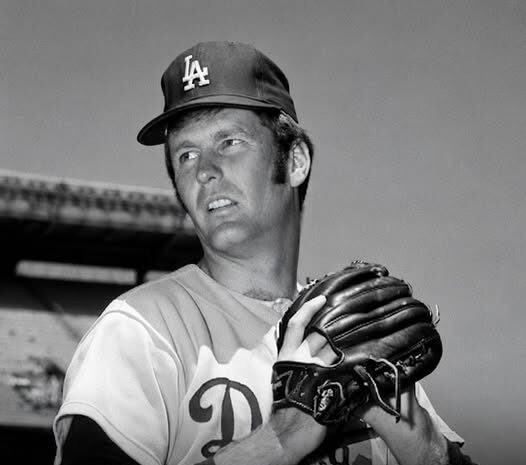
Tommy John Dies at 83, Leaving a Baseball Legacy That Changed Sports Medicine Forever
A Pitcher Remembered for Far More Than His 288 Major League Wins
Tommy John built a remarkable career as a Major League Baseball pitcher, but his name ultimately became connected to something even larger than the statistics he accumulated on the mound.
Over 26 seasons, John won 288 games and played for several well-known teams, including the Los Angeles Dodgers, New York Yankees and Chicago White Sox.
Yet the defining moment of his legacy came when a serious elbow injury appeared ready to end his career.
Instead of walking away from baseball, John underwent an experimental ligament reconstruction procedure in 1974.
He recovered, returned to the major leagues and continued pitching for another 13 seasons.
The surgery eventually became known simply as Tommy John surgery, making his name one of the most familiar in all of sports medicine.
Tommy John’s Career Spanned 26 Major League Seasons
John’s longevity alone made his career extraordinary.
Pitching at the major league level places enormous stress on the arm, and remaining effective across more than two decades requires both durability and constant adjustment.
John managed to build a career lasting 26 seasons.
During that time, he collected 288 victories.
That total placed him among the most successful pitchers of his era and reflected the remarkable length of time he was able to compete at baseball’s highest level.
His career included stops with the Dodgers, Yankees and White Sox, giving him a presence in some of the sport’s most recognizable uniforms.
An Elbow Injury Threatened to End Everything
In 1974, John suffered an elbow injury serious enough to place his career in immediate danger.
At the time, an injury involving a major ligament in a pitcher’s elbow could effectively mean the end of a professional career.
For a player whose livelihood depended on repeatedly throwing a baseball at high speed, damage to the elbow represented one of the most difficult injuries imaginable.
John faced a choice between accepting that his career might be over or undergoing an experimental operation with no guarantee that he would ever pitch effectively again.
He chose the surgery.
The Procedure Was Experimental at the Time
The ligament reconstruction John underwent in 1974 was not yet an established solution for injured pitchers.
It represented a major medical gamble.
The goal was to reconstruct the damaged elbow ligament and give John a chance to regain enough stability and strength to resume pitching.
There was no long history of successful professional athletes returning from the operation.
John was entering largely uncharted territory.
His decision would eventually change the way baseball and sports medicine looked at severe elbow injuries.
The Comeback Changed the Meaning of the Surgery
The procedure would not have carried John’s name today if he had never successfully returned to competition.
What transformed the surgery into a landmark moment was what happened afterward.
John rehabilitated his arm and eventually returned to Major League Baseball.
Even more remarkably, he did not return only for a brief final appearance.
He pitched for another 13 seasons.
The comeback demonstrated that an elbow injury once considered potentially career-ending could be treated in a way that allowed an athlete to return to high-level competition.
His Name Became Part of the Language of Baseball
Over time, the ligament reconstruction procedure became widely known as Tommy John surgery.
The name eventually became so familiar that many baseball fans heard it regularly even if they had never watched John pitch.
When a modern pitcher suffers a serious elbow ligament injury, discussion often turns immediately toward the possibility of Tommy John surgery.
That connection made John’s influence unusual.
Most athletes are remembered for championships, records or individual performances.
John became permanently connected to a medical procedure that affected generations of players after his own career ended.
The Surgery Helped Change Expectations for Injured Pitchers
Before procedures like the one John underwent became established, serious elbow damage could bring a pitcher’s career to an abrupt conclusion.
John’s successful return helped demonstrate that recovery could be possible.
As the procedure became more widely understood, it offered future pitchers an option that had barely existed when John first injured his arm.
That shift changed the emotional meaning of an elbow injury.
What once might have been viewed automatically as the end of a career could instead become the beginning of a long rehabilitation process followed by a possible return.
Thirteen More Seasons Made the Story Extraordinary
John’s post-surgery career was not a footnote.
He continued pitching for 13 additional seasons after the operation.
That longevity provided the strongest evidence that the surgery had done more than simply allow him to throw again.
It allowed him to resume a demanding professional career and remain competitive for years.
The success of that comeback is one reason the procedure became so closely identified with him.
His Legacy Reached Beyond the Teams He Played For
John spent his career with several clubs, including the Dodgers, Yankees and White Sox.
Those teams gave fans in different cities the chance to watch him compete.
But his influence ultimately extended beyond any individual franchise.
His name became recognized throughout baseball because of the medical history attached to his comeback.
That made his legacy unusually broad.
Fans who never followed his teams still knew the words “Tommy John.”
A Successful Pitcher Before the Famous Surgery
It can be easy to focus so heavily on the medical procedure that John’s actual pitching career becomes secondary.
Yet he had already established himself as a highly successful major league pitcher.
Winning 288 games over 26 seasons represented a substantial achievement on its own.
The surgery did not create his entire career.
It extended a career that had already been significant.
That distinction matters when considering the full scope of his baseball legacy.
His Career Became a Story of Durability
John’s 26 seasons reflected more than talent.
They reflected adaptability and persistence.
Baseball changes over time.
Hitters adjust.
Pitchers lose velocity.
Injuries accumulate.
Remaining in the major leagues for decades requires the ability to change with those realities.
John’s recovery from elbow reconstruction became the most dramatic example of that resilience.
He Became a Symbol of the Possibility of Returning
For future athletes facing similar injuries, John’s story represented something powerful.
A severe ligament injury did not always have to mean retirement.
There could be another path.
That path was difficult, experimental at first and never guaranteed.
But John’s comeback showed that it existed.
His recovery therefore became part of the psychological history of sports medicine as well as the surgical history.
The Procedure Became Commonly Discussed Across Baseball
As more pitchers later underwent the surgery, the phrase “Tommy John surgery” became part of everyday baseball vocabulary.
Fans heard it during injury reports.
Teams discussed it during roster decisions.
Players faced long rehabilitation periods after undergoing it.
Each time the procedure was mentioned, John’s name remained connected to the conversation.
Few athletes have had their identities preserved in such a distinctive way.
His Influence Was Medical as Well as Athletic
John did not become a surgeon or medical researcher.
Yet his willingness to undergo the experimental reconstruction helped make the procedure visible in professional sports.
His successful return gave the operation credibility.
Without an athlete willing to take that risk, the procedure might not have gained the same immediate attention.
John therefore became part of a medical breakthrough through his own career and recovery.
His Name Outlived the Era in Which He Played
Many professional athletes eventually become associated primarily with the generation that watched them perform.
John’s name continued reaching younger fans long after his playing days ended.
A teenager learning about baseball injuries could hear the name Tommy John without ever having seen footage of him pitching.
That created a rare form of legacy.
His name became tied not only to baseball history, but to the future careers of players born decades after he first underwent surgery.
His 288 Wins Remain an Important Part of the Story
John’s medical legacy may be the most famous part of his life, but his 288 career victories remain a major accomplishment.
Those wins were collected over a very long professional career and reflected his ability to remain useful and competitive across different stages of his life as a pitcher.
The number also gives perspective to what he accomplished after the surgery.
He did not merely return to prove that his arm still functioned.
He returned to continue building a meaningful major league record.
His Death Came at Age 83
Tommy John died at the age of 83 at his home in Bradenton, Florida.
He had entered hospice care before his death.
Reports stated that he had been battling bladder cancer.
His death closed the life of a man whose name had become inseparable from one of the most significant medical procedures in modern sports.
Baseball Lost a Player Whose Impact Went Far Beyond Statistics
When a player wins nearly 300 games, those numbers would normally dominate any discussion of his career.
With John, the story became larger.
His 288 victories, long career and time with prominent teams established him as a successful pitcher.
But the elbow injury and experimental surgery changed the way future generations would remember him.
That experience transformed his name into a symbol of recovery.
The Injury That Could Have Ended His Career Instead Redefined It
One of the most striking parts of John’s story is how closely his greatest legacy grew from what initially appeared to be a disaster.
The elbow injury threatened to remove him from baseball.
Instead, it ultimately connected his name to generations of athletes who later faced similar injuries.
The moment that could have ended his story became the beginning of an entirely different one.
Tommy John Surgery Became Bigger Than Baseball
Although the procedure became especially famous because of its use among baseball pitchers, the broader significance extended into sports medicine.
The operation demonstrated how surgical reconstruction could potentially restore function after a devastating ligament injury.
John’s career became proof that an athlete could undergo major reconstruction and still return to elite competition.
That possibility reshaped expectations.
A Legacy Few Athletes Could Have Predicted
When John first entered professional baseball, he could not have known that his name would eventually become shorthand for a surgical procedure.
He could not have predicted that future generations of pitchers would discuss his name whenever they suffered elbow injuries.
Yet that became one of the most enduring parts of his identity.
His career created statistics.
His injury created history.
Remembering Tommy John
Tommy John will be remembered as a successful Major League pitcher who won 288 games across an extraordinary 26-season career.
He wore the uniforms of teams including the Dodgers, Yankees and White Sox and remained in professional baseball far longer than most players ever do.
But his greatest influence came after a devastating elbow injury threatened to end everything.
By undergoing experimental ligament reconstruction in 1974 and successfully returning for another 13 seasons, John became permanently connected to a procedure that changed the future of injured athletes.
His name became part of the language of baseball.
For players facing serious elbow injuries, Tommy John surgery came to represent both a difficult road and the possibility of returning.
John’s death at 83 closes a remarkable life, but the impact of his comeback continues every time another athlete begins that same long journey back to the field.