
The Easiest Way to Cook Perfectly Crispy Bacon With Minimal Mess
A Simple Method for Better Bacon
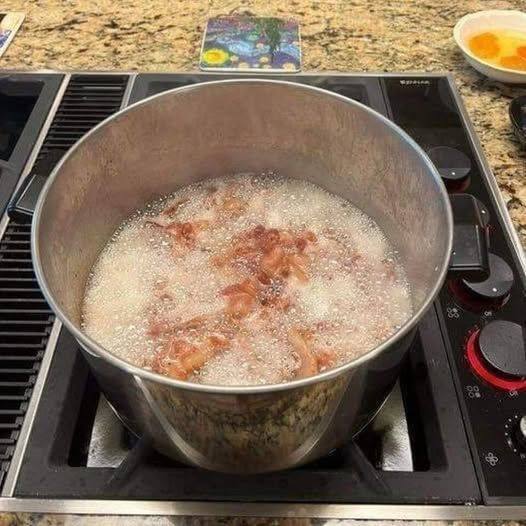
If you enjoy bacon but dislike the splatter and cleanup that often comes with cooking it, there is a straightforward technique that delivers consistently crispy results without turning your stovetop into a greasy mess.
This approach focuses on even cooking, better control of rendered fat, and simple preparation steps that make the entire process smoother from start to finish.
With just a pot and a few minutes of attention, you can create golden, crunchy strips that cook evenly and retain their rich flavor.
The key lies in preparation and understanding how bacon naturally releases its fat during cooking.
Why Preparation Matters
Before placing bacon on the heat, taking a few moments to prepare it properly can significantly improve the outcome.
Small adjustments at the beginning make the cooking process easier and more controlled.
When bacon is prepared thoughtfully, it cooks more evenly and reaches that perfect balance of crispness and tenderness.
This method works whether you are cooking a small batch or using a larger family-sized package.
Step One: Cut the Bacon in Half
Start by removing the bacon from its packaging and laying the strips flat on a cutting surface.
Using a sharp knife, slice the strips across the middle to create shorter pieces.
Shorter strips are easier to manage in a pot and tend to cook more uniformly than full-length slices.
This simple step also allows you to fit more pieces into the pot without overcrowding.
Even cooking begins with manageable portions, and halving the strips helps ensure consistent results.
Step Two: Separate the Slices
After cutting the bacon, gently separate the pieces so they are no longer stuck together.
Bacon slices often cling due to moisture and fat, which can prevent proper browning if left stacked.
Loosening each piece ensures that heat reaches all sides evenly.
This prevents sections from steaming instead of crisping.
Proper separation encourages better airflow and contact with the cooking surface, both of which are essential for achieving crisp texture.
Choosing the Right Pot
Select a pot that is large enough to hold the bacon comfortably without crowding.
The pieces should rest in a single layer or close to it, allowing space for movement as you stir.
A heavy-bottomed pot works especially well because it distributes heat more evenly and reduces the risk of hot spots.
Using a pot rather than a shallow pan helps contain splatter, making cleanup significantly easier.
The taller sides act as a barrier, keeping grease from reaching your stovetop.
Cooking on High Heat
Once the bacon is placed inside the pot, set the burner to high heat.
Starting at a higher temperature encourages the fat to render efficiently.
As the bacon heats up, the fat begins to melt and collect at the bottom of the pot.
This natural process is essential to the method’s success.
The bacon gradually fries in its own rendered fat, promoting even browning and deep flavor.
Unlike some cooking methods that require added oil, this technique relies entirely on the bacon’s natural richness.
Stirring for Even Browning
While the bacon cooks, stir occasionally to ensure that all pieces brown evenly.
Gentle stirring prevents sticking and allows each strip to come into contact with the hot surface and rendered fat.
This movement helps eliminate uneven cooking or partially underdone areas.
Consistent stirring also gives you better control over the final level of crispness.
You can monitor the color and texture as it develops, adjusting the heat slightly if needed.
The Role of Rendered Fat
As cooking continues, the bacon releases more fat, which accumulates at the bottom of the pot.
This rendered fat becomes the medium in which the bacon finishes cooking.
Because the pieces are partially submerged in their own fat, they cook thoroughly and evenly.
This process enhances flavor while delivering a satisfyingly crisp exterior.
The contained environment of the pot also minimizes splatter compared to traditional skillet cooking.
The result is less mess and easier cleanup without sacrificing texture.
Monitoring Doneness
Bacon can go from perfectly crisp to overdone quickly, so keep an eye on it during the final minutes.
As the strips turn golden brown, the bubbling of fat will gradually slow.
This visual cue indicates that much of the moisture has cooked away.
When the bacon reaches your preferred crispness, remove it promptly from the pot.
Transfer the pieces to a plate lined with paper towels to absorb any excess fat.
This final step ensures that the bacon remains crunchy rather than greasy.
Why This Method Works
This approach simplifies bacon cooking by using the ingredient’s natural properties to your advantage.
Instead of battling splatter or uneven browning in a shallow pan, the pot creates a contained cooking environment.
The deeper sides reduce grease spray, making the stovetop easier to clean afterward.
Additionally, the consistent heat distribution inside a heavy pot promotes uniform cooking.
Shortened strips, proper separation, and occasional stirring combine to produce dependable results every time.
Cleanup Made Easier
One of the biggest frustrations when cooking bacon is the mess left behind.
Grease droplets can spread across countertops and stovetops, requiring extra cleaning effort.
Using a pot significantly reduces this issue.
The higher sides contain most of the splatter within the cookware itself.
After cooking, allow the rendered fat to cool before disposing of it properly.
Wiping down a single pot is far simpler than scrubbing an entire cooking area.
Serving Suggestions
Once cooked, crispy bacon can be enjoyed in countless ways.
It pairs well with eggs and toast for a classic breakfast.
It can be crumbled over salads for added texture and flavor.
Sandwiches, burgers, and baked potatoes also benefit from the savory crunch bacon provides.
The evenly cooked pieces produced by this method are ideal for both standalone enjoyment and recipe additions.
Consistency With Every Batch
Because this technique relies on consistent preparation and controlled cooking, it delivers reliable outcomes.
Whether preparing a small serving or a larger quantity, the steps remain the same.
Cutting the strips in half, separating them thoroughly, and stirring during cooking are key habits that lead to repeatable success.
Over time, you can adjust cooking duration slightly to match your preferred level of crispness.
The flexibility of this approach makes it suitable for a variety of tastes.
A Reliable Way to Enjoy Bacon
Cooking bacon does not need to be complicated or messy.
With thoughtful preparation and a sturdy pot, you can achieve crispy, flavorful results with minimal effort.
The process allows the bacon to fry naturally in its own rendered fat, enhancing both texture and taste.
By containing splatter and promoting even browning, this method simplifies cleanup while preserving quality.
In the end, you are left with golden, crunchy pieces that deliver the satisfying flavor bacon lovers expect.
With just a few straightforward steps, you can enjoy perfectly cooked bacon any time, without the typical stovetop chaos.
This practical technique proves that small adjustments can make a noticeable difference in both convenience and outcome.
The result is crisp, rich, and consistently delicious bacon prepared in a way that keeps your kitchen cleaner and your cooking stress-free.