
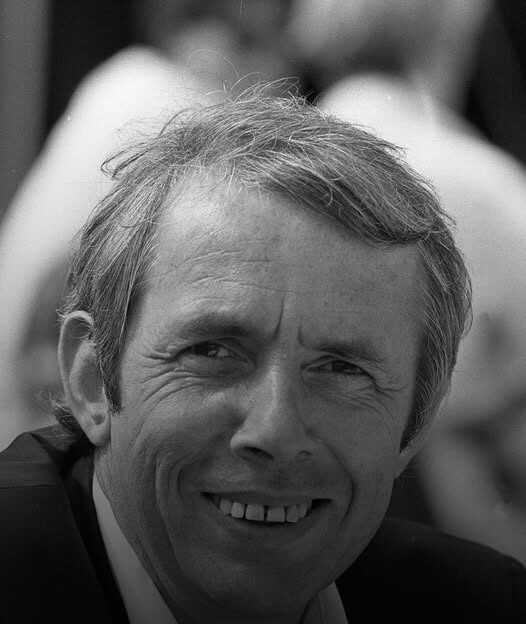
Richard O’Sullivan, Beloved Man About the House Actor, Dies at 82
British Comedy Star Remembered for His Iconic Role as Chef Robin Tripp
Richard O’Sullivan, the beloved British actor best remembered for playing chef Robin Tripp in the hugely popular 1970s sitcom Man About the House, has died at the age of 82.
O’Sullivan died in a London care home after spending many years dealing with the effects of a severe stroke.
For generations of television viewers, his name remained closely connected with one of the defining British sitcoms of the 1970s.
His performance as the charming and frequently overwhelmed Robin Tripp helped turn Man About the House into a major comedy success and ultimately provided the inspiration for another television character thousands of miles away.
The series was later adapted in the United States as Three’s Company, where John Ritter portrayed Jack Tripper, the American character based on O’Sullivan’s Robin Tripp.
Richard O’Sullivan Became One of Britain’s Most Familiar Comedy Faces
O’Sullivan built a career that made him instantly recognizable to British television audiences.
His ability to combine charm, comic timing and an approachable screen presence made him particularly suited to the situation comedies that became enormously popular during the 1970s.
It was Man About the House, however, that became one of the roles most closely associated with him.
O’Sullivan played Robin Tripp, a young chef sharing a home with two women, a premise that provided the foundation for a steady stream of misunderstandings and comic situations.
The program became a significant success and established O’Sullivan as a leading television comedy performer.
Robin Tripp Became an Internationally Influential Sitcom Character
The popularity of Man About the House eventually extended beyond Britain.
The basic premise was adapted for American television, becoming Three’s Company.
John Ritter took on the corresponding role of Jack Tripper, a character whose origins could be traced directly to O’Sullivan’s Robin Tripp.
Three’s Company would itself become one of the best-known American sitcoms of its era.
That connection gave O’Sullivan’s performance an influence that extended beyond the original British series.
Although the two programs developed their own identities, the success of the American adaptation meant that the central character O’Sullivan had helped establish became familiar to audiences on both sides of the Atlantic.
His Performance Helped Define Man About the House
Robin Tripp was central to the comedy of Man About the House.
The character’s living arrangement created the situations around which much of the program revolved, but O’Sullivan’s performance helped make those circumstances believable and entertaining.
Rather than presenting Robin simply as the target of jokes, O’Sullivan gave the character an easygoing personality that made viewers want to follow his increasingly complicated situations.
His comedic style was often based on reactions, misunderstandings and the awkward circumstances developing around him.
The role became so closely identified with O’Sullivan that Robin Tripp continued beyond the original program.
O’Sullivan Continued Robin Tripp’s Story
The success of his character allowed O’Sullivan to continue portraying Robin after Man About the House.
The character had become popular enough to sustain further television stories, extending O’Sullivan’s association with the role that had made him a household name.
For many viewers, Robin Tripp represented the kind of television character who seemed immediately familiar.
O’Sullivan’s relaxed performance made the character memorable without requiring exaggerated behavior.
His ability to deliver comedy naturally became one of the qualities that audiences associated with his television career.
A Career Remembered Through Classic British Television
O’Sullivan belonged to a period when British situation comedy occupied a particularly prominent place in popular culture.
Television audiences often gathered around a relatively limited number of channels, allowing successful programs and their stars to become deeply familiar figures in everyday life.
O’Sullivan was among the actors who benefited from that environment while also helping create the programs that made the era memorable.
His characters entered millions of homes, and his face became associated with lighthearted entertainment and television comedy.
Even decades after the original broadcasts, viewers continued remembering him primarily for the warmth and humor he brought to his roles.
The American Connection Added to His Legacy
The relationship between Man About the House and Three’s Company became an especially interesting part of O’Sullivan’s career.
John Ritter’s portrayal of Jack Tripper became enormously famous in the United States, but the character existed because of the British format that had first featured O’Sullivan as Robin Tripp.
For viewers familiar with both programs, the connection offered an example of how a successful television concept could cross national boundaries while being reshaped for a different audience.
O’Sullivan’s original performance therefore occupied an important place in the history of both shows.
His Robin Tripp helped establish the comedic framework that would later give Ritter one of the defining roles of his own career.
Life Changed After a Severe Stroke
Behind the familiar television image, O’Sullivan’s later life became significantly more difficult.
He suffered a severe stroke that had lasting consequences.
The health crisis changed the course of his life and began a long period in which he lived with its effects.
For someone who had spent years entertaining audiences through movement, expression and carefully timed dialogue, the impact of such a major medical event represented a profound change.
His struggle after the stroke continued for decades.
O’Sullivan eventually lived in a London care home, where he remained during the later stage of his life.
His Later Years Were Far Removed From Television Fame
The contrast between O’Sullivan’s television career and his later circumstances was striking.
During his peak years, he had been one of the familiar faces of British entertainment.
Millions recognized him as soon as he appeared on screen.
Later, following his stroke, his life became much quieter and more private.
The actor who had once been at the center of popular sitcoms spent his later years away from the intense public attention that had surrounded his career.
Despite that absence from television, the characters he created remained accessible through memories of the programs that had made him famous.
Robin Tripp Remained His Signature Character
Actors with long careers frequently appear in numerous productions, but certain roles become inseparable from the performers who created them.
For O’Sullivan, Robin Tripp became that character.
The young chef at the center of Man About the House captured the qualities that made O’Sullivan such an appealing comedy performer.
He could appear confused without becoming ridiculous, charming without seeming overly polished, and funny without forcing every moment toward a joke.
Those qualities helped the sitcom develop an identity that audiences continued to remember long after its original run.
His Influence Reached Viewers Who May Not Have Known His Name
O’Sullivan’s influence also reached people who may never have watched the original British show.
Because Man About the House inspired Three’s Company, viewers who grew up watching John Ritter’s Jack Tripper were experiencing a character built from the same basic television concept that O’Sullivan had first brought to life for British audiences.
The connection means his place in television comedy extends beyond the direct popularity of his own programs.
His performance became part of a chain of creative influence that helped produce successful entertainment in another country.
That is an unusual legacy for any sitcom performer.
A Generation Grew Up Watching Richard O’Sullivan
For viewers who remember British television of the 1970s, news of O’Sullivan’s death brings back memories of an era as much as memories of one actor.
His shows belonged to a period of television when recurring sitcom characters could become part of a family’s weekly routine.
People followed the same characters for years, becoming familiar with their personalities, relationships and comic problems.
O’Sullivan was particularly effective at creating that sense of familiarity.
His characters felt approachable, and his screen presence helped viewers connect with situations that were often intentionally exaggerated for comedy.
His Death Closes Another Chapter in British Sitcom History
O’Sullivan’s death at 82 represents the loss of another performer whose career was closely tied to a celebrated period of British television.
Many actors become known for a single defining performance, but only a smaller number create characters influential enough to inspire successful adaptations elsewhere.
Robin Tripp achieved exactly that.
The character entertained British audiences directly and later helped provide the template for John Ritter’s Jack Tripper in America.
That connection ensured that O’Sullivan’s contribution to television comedy reached much farther than the original set of Man About the House.
Fans Remember the Actor Behind the Laughter
For those who grew up watching O’Sullivan, his death is likely to revive memories of the laughter his performances provided.
Television comedy can become closely associated with particular periods of a viewer’s life, and familiar actors often remain emotionally connected to those memories decades later.
O’Sullivan was one of those performers.
His work gave viewers an opportunity to escape into uncomplicated comedy built around relationships, misunderstandings and everyday situations.
His later health struggles did not erase that contribution.
His Legacy Lives on Through Television Comedy
Richard O’Sullivan’s life ultimately contained two very different chapters.
One was filled with television studios, successful sitcoms and widespread recognition.
The other followed a devastating stroke and unfolded far more privately within long-term care.
Yet when audiences remember him, many will continue to picture the energetic young chef from Man About the House.
Robin Tripp remains the character most strongly associated with O’Sullivan and the role that connected his career with the later success of Three’s Company.
The fact that a British sitcom performance from the 1970s could help inspire one of American television’s best-known comedy characters speaks to the enduring influence of the work.
O’Sullivan may have spent his later years far removed from the spotlight, but his most famous performances remain part of television history.
For the viewers who laughed along with Robin Tripp and followed his comic adventures, Richard O’Sullivan will be remembered as one of the familiar faces who helped make a distinctive era of British comedy unforgettable.
He was 82.