
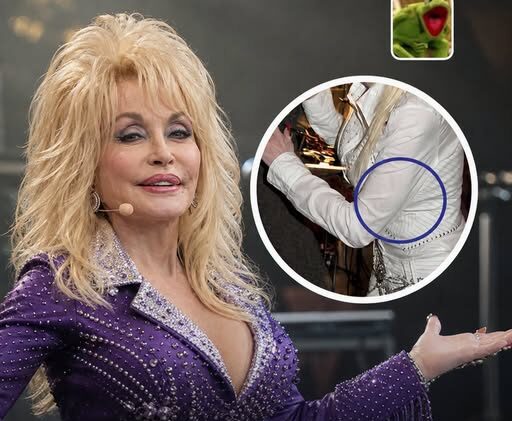
Dolly Parton’s Covered Arms, Personal Tattoos and the Story Behind Her Signature Style
A Look That Became Part of Her Identity
For decades, Dolly Parton has been recognized almost instantly by her glamorous appearance. Sequins, lace, rhinestones, dramatic stage outfits and carefully coordinated accessories have all become familiar parts of the image she presents to the public.
Among those details, one feature repeatedly attracted attention: her tendency to wear clothing that covered much of her arms.
To many people, the long sleeves and gloves initially appeared to be nothing more than another element of her distinctive fashion choices. They seemed to fit naturally with the elaborate costumes and polished appearance that had long defined her public image.
Over time, however, curiosity surrounding those choices grew.
People began wondering whether the covered arms were simply a fashion preference or whether there was a more personal reason behind them.
The answer eventually revealed a quieter side of Parton’s story, one involving scars, self-consciousness and a creative decision about how she wanted to live with those marks.
The Private Reason Behind the Covered Arms
Parton later revealed that she had keloid scars on her arms.
The scars were not something she wanted to become a defining part of how the public viewed her. Rather than allowing attention to remain focused on them, she found a way to incorporate them into something she considered more beautiful and personal.
That choice involved tattoos.
Instead of using tattoos as large, highly visible statements, Parton chose delicate designs that worked around areas where she had scars.
The tattoos included images such as butterflies, flowers and an angel.
They became a private way of transforming something that had once caused self-consciousness into something softer and more meaningful.
The decision also reflected the way Parton has often handled public attention. Her appearance has always attracted enormous interest, but she has remained selective about which parts of her private life she wants to explain.
Her covered arms therefore became both a recognizable fashion detail and a way of maintaining control over something deeply personal.
Turning Scars Into Something Meaningful
For Parton, the tattoos were not presented as an attempt to completely erase or deny the existence of her scars.
Instead, they offered another way of looking at them.
The butterfly, floral and angel designs transformed areas that once made her uncomfortable into pieces carrying their own sense of beauty.
That approach was consistent with a broader theme that has followed Parton throughout her public life: accepting imperfections without allowing them to become the entire story.
She did not build her identity around appearing naturally flawless.
Her public image has always been deliberately glamorous, theatrical and carefully constructed.
From sparkling costumes to elaborate hairstyles and stage-ready makeup, Parton has never hidden the fact that she enjoys creating a larger-than-life visual identity.
The tattoos beneath that glamorous exterior, however, represented something much quieter.
They were personal rather than performative.
They allowed her to deal with the appearance of her scars on her own terms without making those scars the central focus of her public identity.
Why the Mystery Lasted for So Long
Because Parton so frequently appeared in long sleeves, gloves and other arm-covering clothing, public curiosity naturally increased over the years.
Her costumes were already so elaborate that the choice rarely seemed unusual at first.
Long sleeves could easily be understood as part of a glamorous stage outfit, especially when paired with rhinestones, lace and other decorative details.
As Parton’s fame continued, however, fans began paying closer attention to recurring elements of her appearance.
The consistent coverage of her arms became one of those details.
Rumors and speculation eventually followed, particularly as people searched photographs for glimpses of what might be underneath her clothing.
Parton did not allow that curiosity to force her into explaining herself before she was ready.
She maintained the same public image and continued dressing in the style she preferred.
Only later did she speak more openly about the scars and the tattoos she had chosen to place around them.
Small Tattoos Rather Than a Dramatic Transformation
The idea of Dolly Parton having tattoos may initially sound surprising to people familiar primarily with her polished country music image.
Yet the designs she described were not intended to radically change how she looked.
They were delicate and personal.
Butterflies, flowers and an angel fit naturally with the softer, decorative approach she chose.
The purpose was not to attract more attention to the affected areas.
Instead, the tattoos allowed her to place something beautiful around parts of her skin that had previously made her feel uncomfortable.
That difference is important to understanding why the tattoos remained largely hidden.
They were not created primarily for audiences, photographers or public display.
They were created for Parton herself.
Even after adding them, she continued wearing the long sleeves and elaborate outfits that had already become part of her signature appearance.
More Than a Story About Appearance
The revelation about Parton’s arms could easily be reduced to a celebrity fashion mystery, but the deeper significance lies in the way she responded to something that made her vulnerable.
She did not allow the scars to dictate how she saw herself.
She also did not feel obligated to expose them simply because the public was curious.
Instead, she made a private choice about her own body and continued presenting herself in the way that made her feel comfortable.
The tattoos became part of that decision.
Rather than chasing an impossible idea of physical perfection, Parton incorporated the scars into designs that carried warmth and beauty.
The result was a personal response to an insecurity that existed underneath one of entertainment’s most recognizable public images.
A Career Built on More Than Glamour
Parton’s appearance has always been impossible to separate entirely from her public persona.
The glittering outfits, carefully styled hair and unmistakable stage presence helped create an image recognized across generations.
Yet her long career has never depended only on how she looks.
Her music, humor, personality and generosity have remained central to the way audiences connect with her.
The story of her scars and tattoos reinforces that contrast.
While audiences often focused on the visible details of her clothes and appearance, Parton was carrying a much more personal story underneath them.
The public saw glamorous costumes.
She knew that beneath those costumes were marks she had once felt uncomfortable about and the delicate designs she had chosen to place around them.
That difference between public appearance and private experience became another example of how carefully Parton has maintained control over her identity.
Refusing to Be Defined by Vulnerability
Parton’s response to her scars reflects an attitude that extends beyond fashion.
She never needed to pretend that every part of her appearance was flawless.
At the same time, she did not allow something she considered an insecurity to become the defining feature of her story.
That balance helped explain why she could speak about the subject without turning it into a dramatic confession.
The scars existed.
She found a way to live comfortably with them.
The tattoos offered a creative solution, and the clothing allowed her to maintain the appearance she preferred.
For Parton, those choices could exist together without contradiction.
She could acknowledge the scars while still choosing not to display them constantly.
She could have tattoos while still keeping them largely private.
And she could enjoy an extravagant public image while protecting personal details from becoming public property.
Butterflies, Flowers and an Angel
The designs Parton chose also carried a noticeably gentle quality.
Rather than harsh or dramatic imagery, she selected butterflies, flowers and an angel.
Those images transformed the appearance of the scarred areas without attempting to make them something completely different.
The designs became decorations around places she had once viewed with discomfort.
In that sense, the tattoos represented more than body art.
They showed how someone could respond creatively to a part of themselves they did not initially feel confident about.
The scars remained part of her body, but they no longer needed to exist only as something negative.
By adding imagery she found beautiful, Parton changed the emotional meaning attached to those areas.
The Public Focused on Fashion While Dolly Focused Elsewhere
For much of her career, Parton’s sleeves and gloves generated far more curiosity among outsiders than they seemed to generate for Parton herself.
While people speculated about why her arms were covered, she continued concentrating on the work and causes that had shaped her reputation.
Her music remained central to her public life.
So did her philanthropic efforts.
One of the strongest themes connected to Parton’s generosity has been giving books and encouraging hope through her charitable work.
Those efforts helped ensure that her legacy extended far beyond her stage costumes or questions about her appearance.
The difference is significant.
Public curiosity often gravitates toward visible mysteries, particularly when a famous person repeatedly dresses in a distinctive way.
Parton’s broader story, however, has always contained much more than those details.
Kindness Became a Bigger Part of Her Legacy
Parton’s generosity has become one of the qualities most closely associated with her outside music.
While her costumes attracted attention, her efforts to give books, encouragement and support created another kind of connection with the public.
That contrast gives additional context to the story surrounding her scars.
Parton had an intensely recognizable appearance, but she consistently demonstrated that appearance was only one part of who she was.
The covered arms may have inspired curiosity, but the person behind those sleeves continued building a reputation shaped by humor, courage and generosity.
In the end, those qualities carried far more meaning than whether her arms were visible.
Maintaining Control Over a Famous Image
Living in the public eye creates constant pressure for celebrities to explain nearly every noticeable detail of their lives.
Parton’s approach to her arms demonstrated that she did not accept that expectation automatically.
She chose when to discuss the subject.
Until then, her clothing remained simply part of the appearance she wanted the world to see.
When she eventually spoke about the scars and tattoos, the revelation helped explain years of curiosity without changing the fundamental way she presented herself.
She still favored glamorous clothing.
She still wore the sleeves, lace and sparkling outfits that audiences associated with her.
Knowing what existed underneath those clothes simply added another layer to the public’s understanding of her.
An Imperfection Became Something Personal and Beautiful
The most meaningful part of the story may be the simplicity of the solution Parton chose.
She had scars that made her self-conscious.
Rather than allowing those marks to dominate her thoughts about her appearance, she surrounded them with designs she liked.
The tattoos did not have to be displayed constantly to matter.
Their significance came from what they meant to her.
They transformed areas associated with insecurity into places carrying butterflies, flowers and an angel.
That private transformation existed beneath the sequins and rhinestones people saw onstage.
The Woman Behind the Rhinestones
Dolly Parton’s public image has always been bright, playful and unmistakably glamorous.
Yet the story behind her covered arms reveals the quieter decisions that existed beneath that image.
She experienced self-consciousness about keloid scars.
She chose delicate tattoos as a way of making those areas feel more beautiful to her.
And she continued dressing in the long sleeves and elaborate clothing that had already become part of her signature style.
The decision was not about hiding an entirely different person beneath the costumes.
It was about deciding which parts of herself belonged to the public and which parts could remain personal.
That distinction helped Parton maintain an unusual degree of control over a public image that has been examined for decades.
A Story That Reflects a Larger Legacy
Parton’s scars and tattoos represent only a small part of a much larger life in the public eye.
Still, the way she handled them reflects many of the qualities people have long associated with her.
She approached vulnerability without allowing it to overpower her.
She found humor and beauty where others might have focused only on insecurity.
She also continued directing much of her attention toward music, giving and the people she hoped to help.
The world may have spent years wondering what was beneath the long sleeves.
Parton was already living comfortably with the answer.
Underneath the lace, sequins and rhinestones were scars she had accepted, accompanied by small tattoos she had chosen for herself.
The butterflies, flowers and angel did not erase what had been there before.
They simply changed what those marks meant to her.
What People Will Remember Most
Parton’s glamorous appearance will always remain part of her cultural identity.
The sparkling costumes, dramatic styling and covered arms became instantly recognizable elements of a career that lasted across generations.
Yet her appearance alone never explained why she remained so deeply admired.
Her courage in dealing with private insecurities, her willingness to laugh at herself and her generosity toward others created a much broader legacy.
The mystery of the covered arms eventually received an explanation, but the answer was quieter and more human than years of speculation might have suggested.
There were scars.
There were delicate tattoos.
And there was a woman who decided that neither needed to determine how the world understood her.
For Parton, the solution was not to pursue perfection.
It was to take something that once made her self-conscious and turn it into something personal, gentle and beautiful.
The rhinestones may have helped create an unforgettable image, but the choices beneath them reveal something more lasting about Dolly Parton: a determination to remain comfortable with herself while continuing to give far more attention to music, kindness and generosity than to the imperfections the world might notice.