
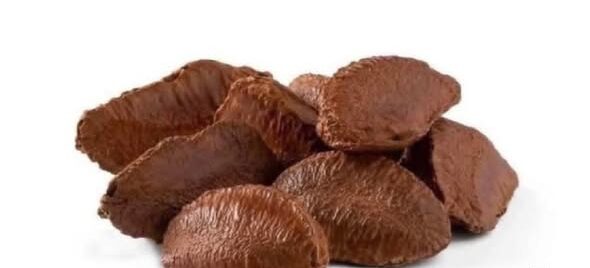
Traditional Jerky-Style Dried Beef: A Classic Home Preservation Method
An Old-Fashioned Way to Preserve Meat
For generations, families relied on simple and effective methods to preserve food long before modern refrigeration became common. One of the most practical techniques involved drying meat to extend its shelf life. This traditional process produced a chewy, savory food often referred to as dried beef or jerky.
The method allowed households to store meat for longer periods while maintaining strong flavor. Once prepared and dried, the meat could be eaten as a snack or incorporated into everyday meals.
Although the specific name for this style of dried beef can vary from region to region, the underlying process remains widely recognized as a classic food preservation technique.
Ingredients Needed
Preparing traditional jerky-style dried beef requires a few simple ingredients that help season and preserve the meat while enhancing its flavor.
Lean beef such as round, flank, or sirloin works best because it contains less fat, which can spoil more quickly during storage.
The seasoning mixture typically includes coarse salt and black pepper as the base flavors. Additional spices like paprika, garlic powder, cumin, or coriander can be added depending on personal taste.
A small amount of vinegar or lemon juice may also be included as a traditional preservative element.
Preparing the Beef
The first step is selecting and preparing the meat properly. Begin by trimming away all visible fat from the beef. Removing fat is important because it can shorten the storage life of dried meat.
Once trimmed, slice the beef into thin strips. Some people prefer slicing with the grain for a chewier texture, while others slice against the grain for a slightly more tender result.
Uniform slices help ensure that the meat dries evenly during the preservation process.
Seasoning and Curing the Meat
After slicing, prepare the seasoning mixture. Combine coarse salt, black pepper, and any optional spices such as paprika, garlic powder, cumin, or coriander.
If using vinegar or lemon juice, mix it into the seasoning blend to help distribute the flavors more evenly.
Rub the mixture thoroughly over each piece of beef, ensuring every surface is coated. This step allows the seasoning to penetrate the meat while contributing to the preservation process.
Place the seasoned meat into a covered container and allow it to rest in the refrigerator for approximately twelve to twenty-four hours.
This resting period helps the flavors develop and allows the curing mixture to fully absorb into the meat.
Drying the Meat
Once the curing stage is complete, arrange the beef slices on drying racks. Make sure the pieces do not touch each other so air can circulate freely around them.
There are several ways to dry the meat, depending on the equipment available.
One traditional approach is air drying. In this method, the meat is hung in a clean, dry, well-ventilated space for several days until it becomes firm and fully dried.
Another option is using a kitchen oven. Set the temperature between 70 and 80 degrees Celsius (160 to 175 degrees Fahrenheit) and leave the oven door slightly open to allow moisture to escape. The drying process typically takes four to six hours.
A food dehydrator offers another reliable method. Setting the dehydrator between 65 and 70 degrees Celsius (150 to 160 degrees Fahrenheit) allows the meat to dry evenly until it reaches the desired texture.
Cooling and Storage
After drying, allow the beef to cool completely at room temperature. Cooling ensures that any remaining moisture evaporates before storage.
Once cooled, the dried beef can be placed in airtight containers. Keeping the product in a cool environment or refrigerator can help extend its shelf life.
Proper storage helps maintain both the texture and flavor of the preserved meat for longer periods.
Ways to Enjoy Dried Beef
Traditional dried beef is known for its rich, concentrated flavor and chewy texture. Many people enjoy it as a convenient snack that can be eaten on its own.
It can also be sliced into thin pieces and added to other dishes. Some common uses include mixing it into scrambled eggs, adding it to beans, or incorporating it into hearty stews.
This versatility has made dried beef a long-standing favorite in many kitchens.
A Tradition That Continues Today
Although refrigeration and modern storage methods have changed how food is preserved, traditional drying techniques remain popular. Many people still enjoy preparing jerky-style dried beef using methods passed down through generations.
The process combines simple ingredients, careful preparation, and patience to produce a flavorful result that reflects classic home cooking traditions.
Whether enjoyed as a snack or used in everyday meals, dried beef continues to be a reminder of how earlier generations preserved food with practical and effective techniques.