
Mini-Strokes (TIA): The Warning Sign You Should Never Ignore
Understanding What a Mini-Stroke Really Means
A mini-stroke, medically known as a transient ischemic attack (TIA), occurs when blood flow to a part of the brain is briefly reduced or blocked. This interruption is usually temporary, often caused by a small clot or narrowed blood vessels.
What makes a TIA especially concerning is that symptoms often disappear quickly—sometimes within minutes. Because of this, many people assume it was nothing serious, attributing it to fatigue, stress, or aging.
However, a mini-stroke is not harmless. It is a clear warning that the brain’s blood supply is at risk. Much like a warning signal, the symptoms may fade, but the underlying issue remains. Recognizing this early sign and taking action can help prevent a more severe stroke in the future.
Common Symptoms That May Appear Suddenly
The signs of a mini-stroke can come on quickly and vary in intensity. Some symptoms are easy to notice, while others may be more subtle.
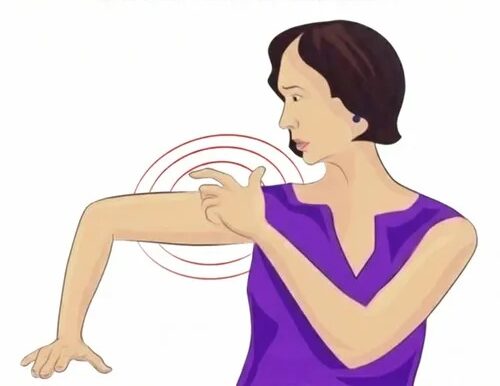
One of the most common signs is weakness or numbness on one side of the body. This may include a drooping face or difficulty lifting an arm or leg. Speech problems are also frequent, with individuals struggling to speak clearly, find the right words, or understand simple sentences.
Vision changes can occur as well, such as blurred sight or a temporary loss of vision in one eye. Some people may experience dizziness, loss of balance, or a sudden severe headache without an obvious cause.
Even if these symptoms last only a short time and then disappear, they should never be ignored. Any sudden neurological change is a signal to seek medical attention immediately.
Why Immediate Action Is Critical
A mini-stroke is often described as the body’s early warning system. It indicates that a more serious stroke could happen in the near future if no action is taken.
Research shows that many individuals who experience a TIA may go on to have a full stroke within days or weeks. This makes quick medical evaluation essential, even if symptoms resolve completely.
Seeking care right away allows healthcare providers to identify the cause and begin treatment to reduce future risk. Acting quickly can protect the brain from long-term damage and significantly improve outcomes.
Risk Factors That Increase the Chances
Several factors can raise the likelihood of experiencing a mini-stroke. Age is one of the most significant, but other health conditions also play an important role.
High blood pressure, diabetes, and high cholesterol can damage blood vessels over time, increasing the chance of blockages. Lifestyle habits such as smoking, lack of physical activity, and an unbalanced diet can further contribute to poor circulation.
Understanding these risk factors is an important step in prevention. Many of them can be managed or improved through medical care and lifestyle changes.
Diagnosis and Medical Evaluation
When someone arrives at the hospital after a suspected mini-stroke, doctors will often perform a series of tests to determine the cause.
These may include brain imaging scans, heart evaluations, and blood tests. The goal is to identify any underlying issues that could increase the risk of a future stroke.
Even if symptoms have disappeared, these evaluations are essential. They provide valuable information that helps guide treatment and prevention strategies.
Treatment and Long-Term Prevention
Treatment after a mini-stroke typically focuses on preventing future events. This may include medications that help reduce clot formation and manage blood pressure or cholesterol levels.
In addition to medical treatment, lifestyle changes play a crucial role. Quitting smoking, staying physically active, managing stress, and maintaining a balanced diet can all support better heart and brain health.
While making these changes may require effort, they are far less challenging than dealing with the long-term effects of a major stroke.
The Importance of Taking Symptoms Seriously
The most important message is simple: never ignore sudden neurological symptoms, even if they disappear quickly.
A mini-stroke is a serious medical event and an opportunity to take action before a more severe condition develops. Prompt attention can help preserve independence, maintain quality of life, and reduce the risk of lasting complications.
A Preventable Future Starts with Awareness
Recognizing the signs of a mini-stroke and responding quickly can make a significant difference. Awareness, timely medical care, and healthy lifestyle choices all contribute to better outcomes.
By taking early warning signs seriously, individuals can protect their health and reduce the risk of future stroke-related complications. Sometimes, acting on a brief moment can help prevent a life-changing event.