
Seven Warning Signs That May Appear Before a Heart Attack
Heart Disease Remains a Leading Global Health Concern
The World Health Organization reports that ischaemic heart disease is the leading cause of death worldwide.
In 2019 alone, cardiovascular diseases were responsible for 8.9 million deaths globally.
Health experts have long emphasized the importance of recognizing early warning signs that may appear before a heart attack occurs.
Research indicates that many individuals experience symptoms in the days or even months leading up to a cardiac event.

Understanding Prodromal Symptoms
Studies published in The National Library of Medicine describe certain early warning signs as prodromal symptoms.
These symptoms often develop gradually and may be overlooked by both patients and primary care clinicians.
Commonly reported prodromal symptoms include chest pain, chest heaviness, chest burning, palpitations, fatigue, sleep disturbance, shortness of breath (SOB), dizziness, anxiety, sudden heat or cold sensations, back pain, and vomiting.
Because these symptoms can vary in intensity and may resemble other conditions, they are sometimes dismissed or misinterpreted.
Recognizing them early may encourage individuals to seek timely medical attention.
1. Persistent Fatigue
Unusual or extreme fatigue can be an early sign that something is not functioning properly within the cardiovascular system.
This type of fatigue may feel overwhelming, leaving a person unusually sleepy, exhausted, or lacking the energy to complete routine tasks.
One possible reason for this symptom is reduced blood flow to the heart.
When arteries narrow, the heart may struggle to receive adequate blood supply, which can lead to feelings of persistent tiredness.
Fatigue related to heart issues may develop gradually and should not be ignored if it appears without a clear cause.
2. Shortness of Breath
Shortness of breath can occur when the lungs are not receiving sufficient oxygen to support normal bodily function.
This sensation may happen during physical activity or even while at rest.
Medical guidance suggests that experiencing unexplained shortness of breath warrants consultation with a healthcare professional.
WebMD notes that “shortness of breath and feeling tired can be signs of [heart failure.]”
Heart failure refers to a condition in which the heart is unable to pump blood effectively throughout the body.
When the heart cannot circulate blood efficiently, oxygen levels may drop, leading to breathing difficulties.
3. Sudden Weakness
Unexpected weakness without a clear explanation may signal that the body is under strain.
This sensation may feel like a loss of strength or stability.
In some cases, weakness may be related to reduced blood circulation or changes in cardiovascular function.
If such symptoms develop suddenly and persist, they should be taken seriously.
4. Dizziness and Cold Sweats
Dizziness can occur when blood flow to the brain becomes insufficient.
This may be accompanied by feelings of lightheadedness or imbalance.
Cold sweats, which can appear suddenly without physical exertion, may also signal poor circulation.
Both symptoms can indicate that the cardiovascular system is struggling to maintain adequate blood flow.
Because dizziness and unexplained sweating may precede a heart attack, they should not be dismissed.
5. Flu-Like or Cold-Like Symptoms
Some individuals who have experienced heart attacks report developing symptoms similar to the flu in the days leading up to the event.
These may include general discomfort, fatigue, mild nausea, or an overall sense of feeling unwell.
Because these symptoms resemble common illnesses, they may not immediately raise concern.
However, when combined with other warning signs, they could indicate an underlying cardiac issue.
6. Chest Pressure
Chest pressure is widely recognized as one of the most common warning signs of a heart attack.
This sensation may feel like heaviness, tightness, squeezing, or burning in the chest.
In some cases, the discomfort gradually increases in intensity over time.
Persistent or worsening chest pressure should always be evaluated by a medical professional.
It is important to distinguish between occasional mild discomfort and sustained or escalating pain that does not resolve.

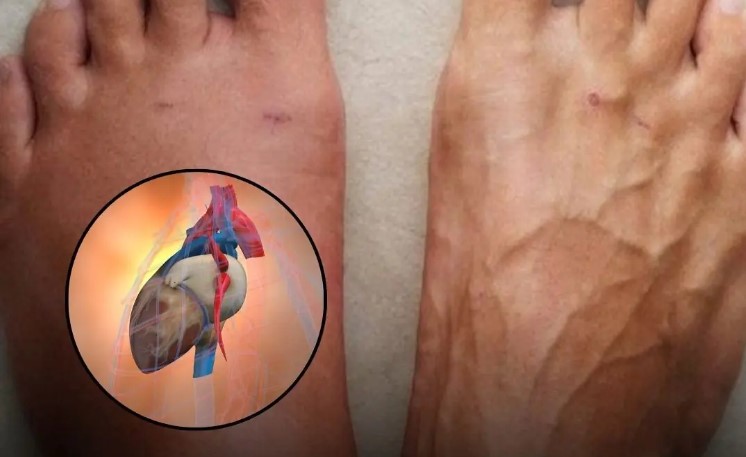
7. Swelling in the Feet and Ankles
Swollen feet, ankles, or legs may indicate congestive heart failure.
This condition occurs when one or both of the heart’s lower chambers lose their ability to pump blood effectively.
As a result, blood may accumulate in the lower extremities.
The buildup of fluid, known as edema, can cause noticeable swelling.
Such swelling may also be accompanied by weight gain or a feeling of tightness in the affected areas.
The Importance of Awareness
Recognizing early warning signs can be crucial in preventing more serious complications.
While some symptoms may appear mild or unrelated at first, patterns of fatigue, breathing difficulty, chest discomfort, or swelling may indicate a need for medical evaluation.
Health professionals emphasize that symptoms vary from person to person.
Not everyone will experience the same combination of warning signs.
In some cases, symptoms may develop gradually over weeks or months.
In others, they may appear suddenly and intensify quickly.
Seeking Timely Medical Advice
If unusual symptoms develop, especially those related to chest discomfort, shortness of breath, dizziness, or swelling, consulting a healthcare provider is strongly advised.
Early medical assessment can help identify underlying cardiovascular issues before they escalate.
Prompt attention may reduce the risk of severe outcomes and improve overall heart health.
Understanding the body’s signals and responding appropriately can make a meaningful difference.
Raising Awareness About Heart Health
Cardiovascular disease remains a significant global health challenge.
With millions of lives affected each year, awareness and education continue to play a vital role in prevention efforts.
Learning to recognize potential warning signs empowers individuals to take proactive steps toward their health.
By staying informed and seeking professional guidance when symptoms arise, individuals can better protect their well-being.
Heart health depends not only on medical care but also on awareness, early recognition, and timely action.