
10 Common Reasons Muscle Cramps Happen and Ways to Ease the Discomfort
Understanding Sudden and Painful Muscle Cramps
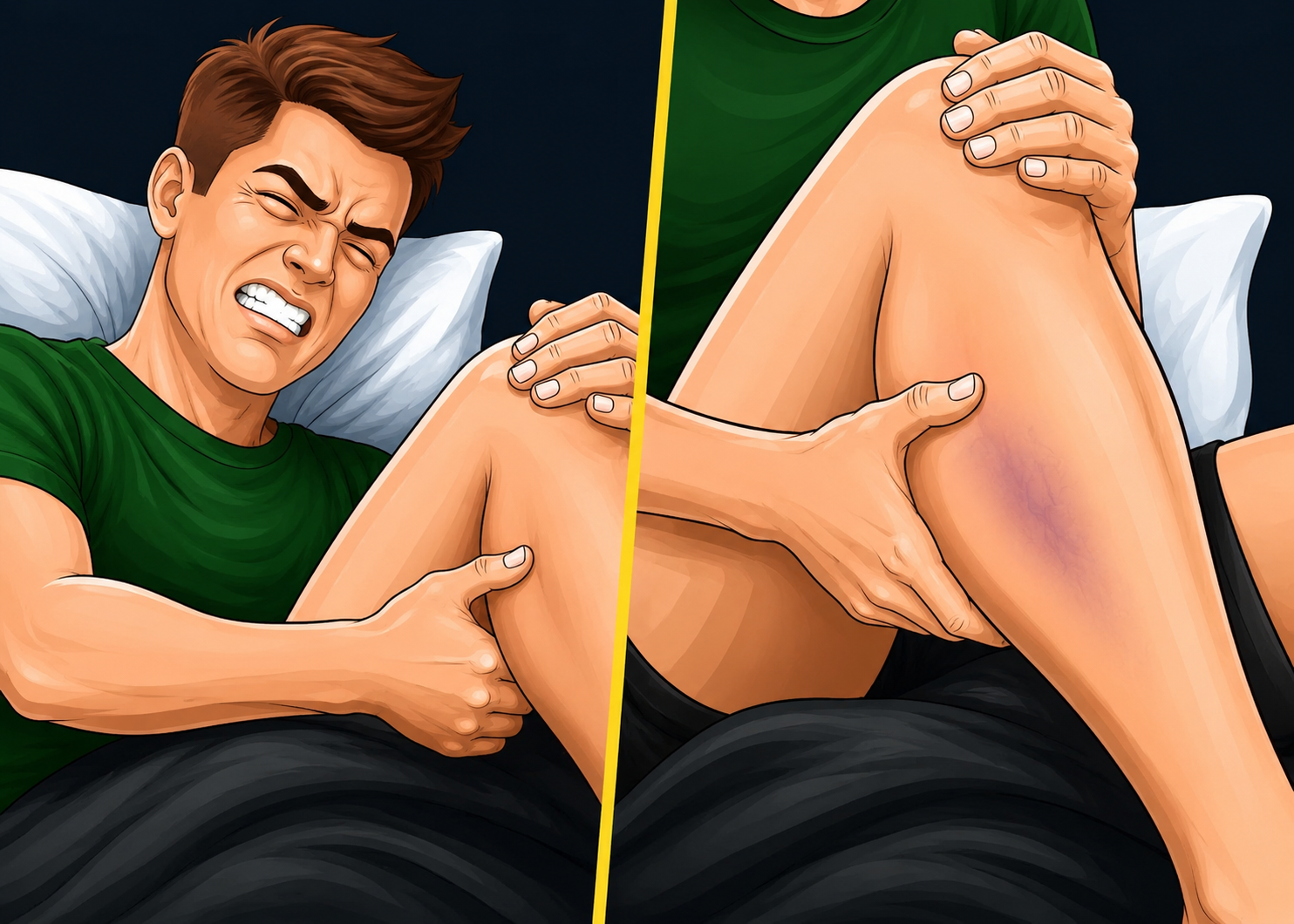
Muscle cramps are sudden, involuntary contractions that can cause significant discomfort. Although they are usually not harmful, the intense tightening of a muscle can be painful and may temporarily make normal movement difficult.
A cramp may last only a few seconds, but some episodes can continue for several minutes. In certain cases, the discomfort can persist for as long as ten minutes before the affected muscle fully relaxes.
The calf is one of the areas most commonly affected by muscle cramps. The muscles of the feet may also tighten unexpectedly, while cramps involving the thighs can occur less frequently.
Muscle cramps can develop for a variety of reasons. Hydration levels, mineral balance, physical activity, posture, medications, and certain health conditions may all contribute to episodes of painful muscle tightening.
1. Dehydration
Dehydration is one possible reason muscle cramps occur, particularly when painful leg contractions develop during the night. When the body does not receive enough fluid, its normal balance of electrolytes may also be affected.
Electrolytes play an important role in normal muscle function. When hydration levels fall and this balance is disturbed, muscles may become more vulnerable to sudden contractions.
Maintaining adequate fluid intake throughout the day may therefore be important for people who frequently experience cramps related to dehydration. This can be especially relevant after physical activity or other situations that increase fluid loss.
2. Mineral Deficiencies
A shortage of certain minerals may also contribute to muscle cramps. Magnesium, potassium, and calcium are among the minerals associated with normal muscle activity.
When levels of these minerals become insufficient, muscles may not function as smoothly as they normally would. This can contribute to sudden tightening, discomfort, or spasms.
Mineral balance is closely connected with hydration, which is one reason dehydration and mineral deficiencies may sometimes occur together. Both factors can influence how muscles contract and relax.
3. Overexertion
Exercise offers many benefits, but excessive physical activity can sometimes place too much stress on the muscles. When muscles are overworked, cramps may develop during activity or afterward.
Overexertion may be particularly noticeable when someone performs more exercise than the body is accustomed to handling. Muscles that become heavily fatigued can respond with painful tightening.
Allowing the body time to recover and avoiding excessive strain can help reduce unnecessary stress on muscle tissue. Gradually adjusting to more demanding activity may also make physical exertion easier for the muscles to tolerate.
4. A Sedentary Lifestyle
Too little movement can also contribute to muscle discomfort. Muscles benefit from regular movement and stretching, but people who spend long periods sitting may not stretch their legs as often as needed.
This can be particularly common among people whose jobs require them to remain seated for much of the day. Hours of limited movement can leave muscles feeling tight or stiff.
Regularly changing position and gently stretching can help keep muscles active. Even small amounts of movement during a long period of sitting may help prevent excessive tightness.
5. Improper Sitting Position
Posture can affect the way muscles feel after long periods of sitting or standing. Poor positioning may place unnecessary strain on certain muscle groups and contribute to discomfort.
Remaining in the same awkward position for an extended period may make muscles more likely to become tense. This strain can sometimes contribute to cramping.
Paying attention to posture and avoiding prolonged periods in an uncomfortable position may help reduce unnecessary pressure on the muscles. Changing position periodically can also prevent the body from remaining tense for too long.
6. Nerve Compression
Muscle cramps are not always caused by problems within the muscles themselves. Nerves in the legs can sometimes become compressed or pinched, potentially contributing to painful contractions.
Conditions such as sciatica or herniated discs can affect nerves that extend into the legs. When those nerves become irritated or compressed, cramping may occur as one of the resulting symptoms.
Because nerve-related discomfort may feel different from ordinary muscle fatigue, persistent or recurring symptoms should not automatically be assumed to have a simple cause.
7. Pregnancy
Pregnancy can also be associated with muscle cramps. Hormonal changes occurring during pregnancy may affect the body in several ways, including how muscles and blood vessels respond.
Increasing pressure on blood vessels may also contribute to cramping in pregnant women. These changes can make uncomfortable muscle contractions more noticeable during certain stages of pregnancy.
Although cramps can be an unpleasant part of pregnancy for some women, the underlying reasons may involve several physical changes happening at the same time.
8. Certain Medications
Some medications may cause muscle cramps as a side effect. Diuretics, statins, and antipsychotic medications are among the examples associated with cramping.
The exact experience can differ from person to person, and not everyone taking these medications will develop muscle spasms. However, medication should be considered as one possible factor when cramps begin or become more frequent.
People who suspect that a medication is contributing to repeated cramps should avoid making changes to prescribed treatment on their own and instead discuss the issue with an appropriate medical professional.
9. Alcohol Consumption
Alcohol consumption may contribute to muscle cramps by affecting hydration and mineral balance. Alcohol can promote dehydration, which may interfere with the body’s normal fluid levels.
Changes in important minerals may occur alongside dehydration. Since muscles depend on an appropriate balance of fluids and minerals to function normally, these disruptions can increase the likelihood of discomfort.
The combination of dehydration and mineral imbalance may therefore help explain why some people experience cramps after consuming alcohol.
10. Certain Medical Conditions
Some underlying medical conditions can also be associated with muscle cramps. Diabetes, kidney disease, thyroid disorders, and peripheral artery disease are among the conditions that may contribute to repeated muscle tightening.
In these situations, cramps may be related to broader changes taking place within the body rather than simple fatigue or temporary dehydration.
Recurring cramps can have many possible causes, so identifying the pattern surrounding the episodes can be important. The timing, frequency, location, and circumstances in which cramps occur may provide useful clues.
Simple Ways to Relieve a Muscle Cramp
Several common approaches may help reduce the immediate discomfort caused by a muscle cramp. One of the simplest options is gently massaging the affected area.
Massage may help the contracted muscle relax and can provide relief while the spasm passes. Stretching the affected muscle may also help reduce tension.
Walking on the heels is another method sometimes used for leg cramps. Changing the position of the foot and lower leg may help stretch muscles that have tightened suddenly.
Heat may also provide comfort. A hot towel, warm bottle, or heating pad can be placed on the affected area to help relax tense muscles and ease discomfort.
Some people also drink pickle juice when dealing with muscle cramps. It is one of several commonly mentioned approaches for managing sudden episodes of muscle tightening.
Nonsteroidal anti-inflammatory drugs, including ibuprofen and naproxen, may be used for pain associated with muscle discomfort. These medications should be used appropriately and according to their directions.
Reducing the Risk of Future Cramps
Because muscle cramps can have several different triggers, prevention may depend on the cause. Someone who develops cramps after intense exercise may have different needs from someone whose symptoms are related to prolonged sitting.
Staying adequately hydrated is one basic measure that may help when fluid loss is contributing to the problem. Keeping the body’s fluids balanced can support normal muscle function.
Regular stretching may also be useful, especially for people who remain seated for long periods. Taking occasional movement breaks can prevent muscles from staying in the same position throughout the day.
Avoiding excessive physical strain may help when cramps develop after overexertion. Muscles need time to recover, particularly after demanding or unfamiliar activity.
Good posture can also reduce unnecessary muscular tension. Sitting or standing in an uncomfortable position for prolonged periods can place extra stress on certain areas of the body.
When Repeated Cramps Deserve More Attention
An occasional muscle cramp can happen for relatively simple reasons, including dehydration, exercise, or prolonged inactivity. However, repeated episodes can sometimes be connected to medications, nerve compression, or underlying medical conditions.
Persistent cramping should therefore be considered in the context of a person’s overall health. The presence of conditions such as diabetes, kidney disease, thyroid disorders, or peripheral artery disease may be particularly relevant.
Medication use should also be considered when unexplained cramps begin. Because certain medications may contribute to muscle spasms, discussing recurring symptoms with a healthcare professional may help clarify whether treatment is playing a role.
Muscle cramps are generally temporary, but their sudden and painful nature can make them difficult to ignore. Understanding common causes can make it easier to recognize habits or circumstances that may be contributing to the problem.
A Common Problem With Many Possible Triggers
Muscle cramps can affect people in many different situations. They may appear after strenuous physical activity, during long periods of inactivity, at night, during pregnancy, or alongside certain medical conditions.
The causes can range from something as straightforward as dehydration to issues involving mineral balance, medications, posture, or compressed nerves. Because several factors can produce similar symptoms, there is no single explanation that applies to every episode.
Simple measures such as stretching, massage, gentle movement, and applying heat may provide relief when a cramp occurs. Maintaining hydration, avoiding excessive strain, and staying physically active may also help reduce some common triggers.
For people who experience frequent, persistent, or unusual muscle cramps, paying attention to the circumstances surrounding each episode can be useful. Recognizing possible triggers is an important step toward understanding why the muscles are tightening and what may help reduce future discomfort.