
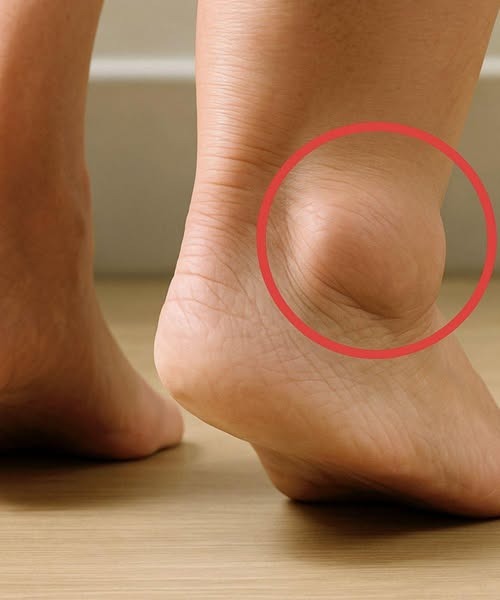
Why Swollen Feet Are Common in Older Adults and What Can Help
Understanding a Frequent Issue in Later Life
Swollen feet are a common problem for many older adults. In some cases, the swelling is mild and temporary, especially after spending too much time sitting or standing in one position. Even so, repeated or ongoing swelling should not be ignored, because it may signal that the body is struggling with circulation, fluid balance, or another health-related issue.
For aging adults, comfort and mobility are closely connected. When the feet and ankles become swollen, walking may feel more difficult, shoes may fit poorly, and daily tasks may become less comfortable. Because of this, understanding why swelling happens is an important part of protecting overall well-being.
Although mild swelling can appear occasionally, frequent episodes deserve attention. The feet carry the body’s weight throughout the day, and when fluid begins to collect in the tissues, the result can be tightness, heaviness, and visible puffiness. Over time, this can interfere with movement and reduce a person’s sense of physical ease.
What Edema Means
This kind of swelling is often known as edema. It happens when excess fluid builds up in the tissues, especially in the lower legs, ankles, and feet. Because gravity pulls fluid downward, the lower parts of the body are often where swelling becomes most noticeable.
Edema can appear gradually or more suddenly, depending on the cause. In older adults, it often develops as part of age-related changes in circulation. The body may no longer move blood and fluid as efficiently as it once did, making it easier for fluid to remain in the tissues instead of returning through the normal pathways.
When this happens, the feet and ankles may look larger than usual. Some people also notice that their skin feels stretched or that socks and shoes leave deeper marks than normal. These changes can be mild at first, but they may become more bothersome when the underlying cause is not addressed.
Why Aging Can Increase the Risk
As the body grows older, circulation can become less efficient. Blood does not always move back toward the heart as easily as it should, particularly from the lower legs and feet. That slower movement can make fluid retention more likely.
The feet are especially vulnerable because they are farthest from the heart and are affected by gravity all day long. If the circulation system is not working as effectively, fluid may collect in these lower areas. This is one reason swollen feet are so common among older adults.
Aging can also bring changes in daily habits. Some people move less because of stiffness, fatigue, or limited mobility. Others may sit for long periods during travel or while resting at home. These changes in activity can further slow circulation and make swelling more frequent.
Poor Circulation as a Common Cause
One of the most common explanations for swollen feet in older adults is poor circulation. Healthy circulation depends on the steady movement of blood through the body. When that flow slows down, fluid may begin to pool in the lower legs and feet.
This problem is often more noticeable in people who sit for extended periods or remain standing without much movement. Staying in one position for too long reduces the normal muscle activity that helps support blood flow. Without that assistance, fluid can settle in the feet and ankles.
Even when poor circulation seems mild, it can still affect quality of life. Feet may feel heavy at the end of the day, and swelling may come and go depending on activity level. For older adults, paying attention to this pattern can help prevent discomfort from becoming more disruptive.
The Role of Chronic Venous Insufficiency
Another possible cause is chronic venous insufficiency. This condition develops when the veins in the legs have difficulty sending blood back to the heart. Instead of flowing upward efficiently, blood may remain in the lower limbs, which can increase pressure and contribute to swelling.
When the veins are not working properly, swelling may become more regular rather than occasional. The feet and ankles may appear fuller, especially later in the day or after long periods on the feet. Discomfort may accompany the swelling, and some people may also notice visible changes around the ankles.
Skin changes can be an important sign in these situations. When swelling continues over time, the skin near the ankles may not look or feel the same as it once did. That is why chronic venous insufficiency deserves careful attention instead of being dismissed as a minor inconvenience.
How Medications Can Contribute
Swelling in the feet is not always caused by circulation alone. Certain medications may also contribute to fluid retention. For some older adults, the swelling begins or worsens while taking medicine for an existing medical condition.
Drugs used for high blood pressure, diabetes, or inflammation may sometimes lead to swelling as a side effect. In these cases, the body may hold onto extra fluid, which can then collect in the lower legs and feet. This can make it difficult to tell whether the swelling comes from a health condition, a medication, or a combination of both.
Because many older adults take more than one medication, paying attention to changes in the body becomes especially important. Swelling that appears after a medication change or becomes more frequent over time should not be overlooked. The feet may be showing that the body is reacting in a way that deserves attention.
When Swelling May Reflect a More Serious Problem
Although many cases of foot swelling are linked to circulation or lifestyle habits, there are times when it may be connected to a more serious health concern. Swollen feet can sometimes be associated with heart, kidney, or liver disease. These conditions can affect how the body manages and removes fluid.
The heart plays a major role in keeping blood moving efficiently. If that process is weakened, fluid may begin to build up in the lower parts of the body. The feet and ankles are often among the first places where this becomes visible.
The kidneys and liver are also important for maintaining proper fluid balance. When these organs are not functioning as they should, the body may have trouble regulating fluid levels. That disruption can lead to swelling that becomes difficult to ignore.
For this reason, persistent swelling should be taken seriously. Mild swelling after a long day may not always be a cause for alarm, but ongoing or repeated swelling can be an important clue that the body needs further attention.
How Daily Habits Affect Swelling
Lifestyle habits can make a significant difference in how often swelling occurs. Limited physical activity is one of the clearest examples. When the body does not move enough, circulation slows, and fluid is more likely to collect in the lower limbs.
Older adults who spend much of the day seated may notice that swelling becomes worse by evening. The same can happen during long trips, when movement is reduced for hours at a time. Even standing too long without walking or shifting position can have a similar effect.
These patterns show how strongly swelling is tied to movement. The body relies on regular motion to help circulate blood and prevent fluid from settling in one area. When that motion decreases, the feet often reflect the change.
The Impact of Salt in the Diet
Diet also plays an important role in fluid retention. Eating too much salt can encourage the body to hold onto water. When that happens, swelling in the feet and ankles may become more noticeable.
This effect can be especially important for older adults who already have circulation concerns or other health conditions. If the body is already more likely to retain fluid, a high-sodium diet can add to the problem. Over time, this may increase both the frequency and the severity of swelling.
Watching salt intake can therefore be a practical part of prevention. Small changes in daily meals may help support better fluid balance and reduce the pressure that leads to swelling in the lower legs and feet.
Simple Ways to Reduce Swelling
Fortunately, there are practical steps that can help reduce or prevent swollen feet. One of the most effective is regular movement. Gentle activity encourages blood flow and helps the body keep fluid from collecting in one place.
Even simple movement throughout the day can make a difference. Walking, shifting position, and avoiding long uninterrupted periods of sitting or standing can all support healthier circulation. For older adults, consistency often matters more than intensity.
Another helpful strategy is elevating the feet. Raising the feet gives fluid a better chance to move away from the lower limbs instead of remaining pooled around the ankles. This can provide relief, especially after a long day of sitting or standing.
The Value of Supportive Footwear and Compression Socks
Footwear can influence comfort more than many people realize. Supportive shoes can help reduce strain on the feet and improve daily comfort when swelling is present. Shoes that fit properly also leave more room for the feet without adding unnecessary pressure.
Compression socks may also be useful for improving circulation. By providing gentle pressure, they can help encourage blood flow in the legs and reduce the buildup of fluid. For many older adults, they become an effective part of a daily routine.
When used along with regular movement and other simple habits, supportive shoes and compression socks may help reduce discomfort and make walking easier. These tools do not replace medical care, but they can offer practical support in everyday life.
Nutrition and Fluid Balance
A balanced diet can support the body’s ability to manage fluid properly. Reducing sodium is one part of that approach, but the article also highlights the value of potassium-rich foods. These foods may help support healthier fluid balance and contribute to better overall comfort.
Nutrition affects more than just body weight or energy. It also influences how the body handles water and circulation. For older adults who are already dealing with swelling, paying attention to food choices can become an important part of staying comfortable.
Healthy eating habits are most effective when combined with movement and supportive daily routines. Together, these measures can help reduce the risk of repeated swelling and improve overall foot health.
Why Early Attention Matters
Swollen feet may seem like a small issue at first, but they can affect many parts of daily life. Discomfort in the feet can discourage movement, and less movement can make swelling worse. This cycle may gradually limit mobility and make routine activities more difficult.
Addressing the problem early can help older adults remain active and independent. When swelling is recognized as more than a cosmetic issue, it becomes easier to take practical steps that support circulation and comfort. This can improve both mobility and quality of life.
Older adults often benefit from paying close attention to how often swelling occurs, what seems to trigger it, and whether it improves with rest or movement. These details can help identify patterns and support better management over time.
Supporting Comfort and Mobility in Older Adults
Swollen feet are a common concern in later life, but they should not be treated as something that must simply be endured. Mild swelling may happen after long periods of sitting or standing, yet frequent or persistent swelling can point to circulation problems, medication effects, lifestyle habits, or more serious health issues involving the heart, kidneys, or liver.
Understanding the causes is the first step toward prevention. Poor circulation, chronic venous insufficiency, limited activity, long periods of sitting, and excess salt intake can all contribute to fluid buildup in the feet and ankles. Recognizing these factors can help older adults take meaningful action before swelling becomes more disruptive.
Regular movement, foot elevation, supportive shoes, compression socks, and a balanced diet with less sodium and more potassium-rich foods can all help support healthier circulation and fluid balance. With these habits, older adults can work toward keeping their feet more comfortable, improving mobility, and maintaining a healthier daily routine.