
Why Cats Headbutt Their Owners: Understanding This Unique Sign of Feline Affection
A Curious Behavior Many Cat Owners Notice
Cats are known for their independent personalities and sometimes mysterious behavior. While they often appear reserved, they also have subtle ways of showing affection and connection to the people they trust.
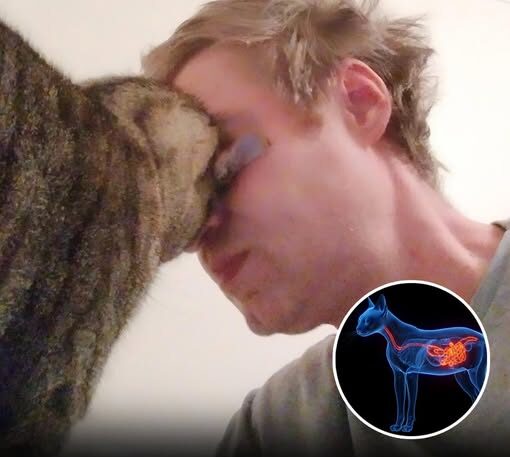
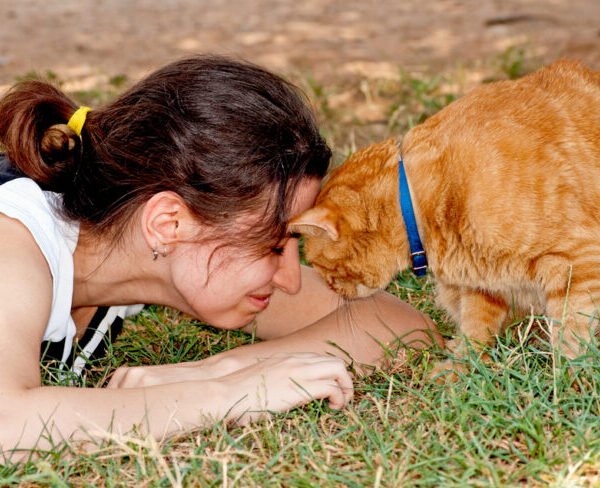
One behavior that frequently puzzles cat owners is the gentle “headbutt.” A cat may walk up and softly bump its forehead against a person’s chin, hand, or shoulder.
At first glance, the action might seem random or playful. In reality, this gesture carries important meaning in feline communication and represents one of the clearest signs of trust a cat can offer.
What Cat Headbutting Actually Means
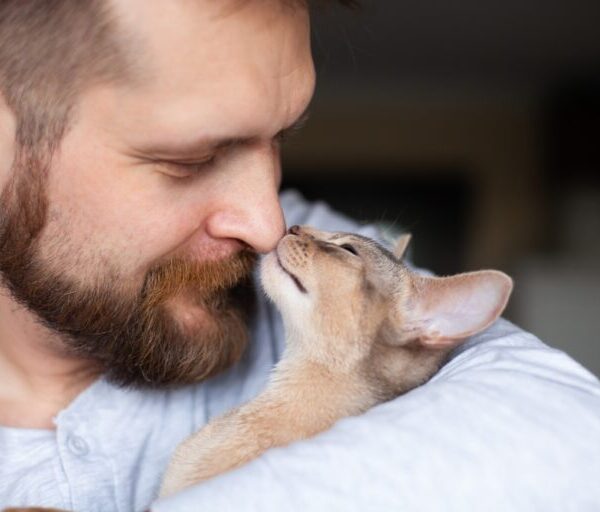
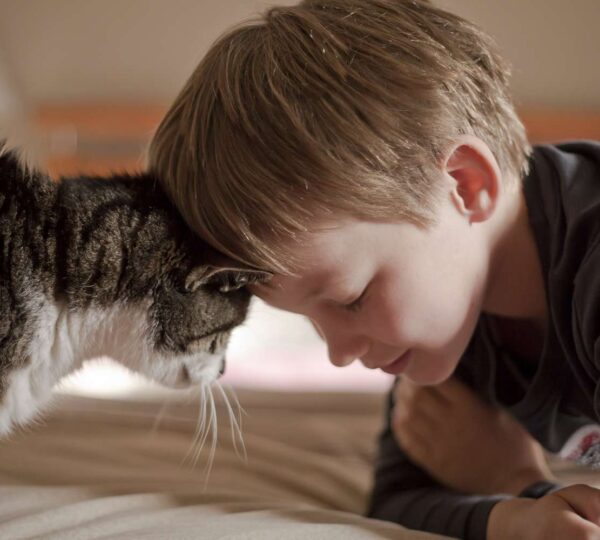
The behavior people often call headbutting is known in animal behavior studies as bunting. It occurs when a cat presses or bumps its head against a person, another animal, or an object.
This movement can appear in several forms. Some cats gently push their forehead into a hand or face, while others rub the side of their head against a person’s arm or leg.
Sometimes the contact lasts only a moment, followed by the cat pulling away. Other times it may be accompanied by rubbing, purring, or leaning against the person.
Although it may seem small or even humorous, bunting is a meaningful social behavior in the feline world.
A Sign of Trust and Social Bonding
Cats are often described as solitary animals, especially compared to dogs. However, they are capable of forming strong social bonds with both other cats and humans.
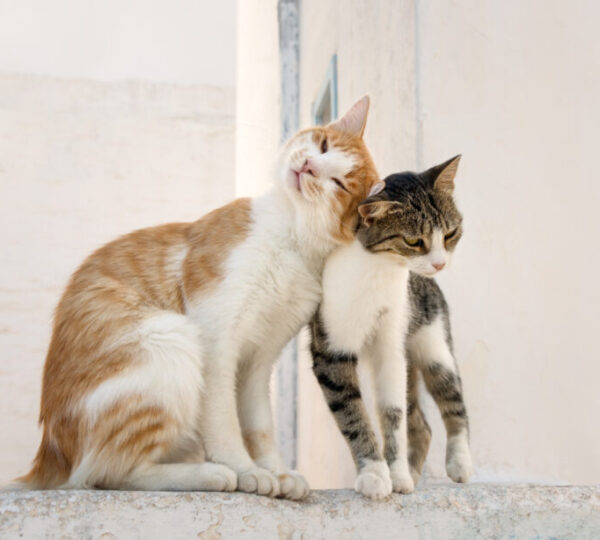
Within these relationships, physical contact plays an important role in communication. Head-to-head contact and cheek rubbing are among the most powerful signals cats use to show familiarity and acceptance.
When a cat headbutts a person, it is essentially expressing comfort and trust. The gesture signals that the cat views that individual as a safe and familiar presence.
In simple terms, a headbutt can be interpreted as a feline way of saying that someone belongs within the cat’s trusted circle.
The Role of Scent and Pheromones
Another important reason cats headbutt involves scent communication. Cats rely heavily on scent to understand and navigate their environment.
Special scent glands are located in several areas of a cat’s body, including the cheeks, chin, forehead, and whisker pads. When a cat presses its head against a person, these glands release chemical signals known as pheromones.
These pheromones are invisible markers that help cats identify familiar individuals and objects. By leaving their scent behind, cats create a map of their surroundings that tells them what feels safe and familiar.
When your cat headbutts you, it is not only greeting you but also adding your scent to its comfort zone.
Marking Through Affection, Not Dominance
Unlike certain territorial behaviors that animals use to establish dominance, headbutting is considered a friendly form of scent marking. It is not meant to intimidate or claim ownership.
Instead, it is a cooperative form of communication. The cat is blending its scent with yours in a way that strengthens a shared social connection.
This is why bonded cats in multi-cat households often headbutt and rub against each other. The action reinforces familiarity and group identity.
When directed toward humans, the same instinct simply reflects the cat’s desire to include that person within its trusted environment.
A Way Cats Create a Sense of Security
Cats naturally evaluate their surroundings to determine whether they are safe. Even domesticated cats retain instincts that once helped their wild ancestors survive.
Rubbing their heads against objects or people helps them create a comforting scent landscape. This layered collection of familiar scents signals that the environment is secure.
Because of this, headbutting often happens in specific situations. Cats may bump their heads against their owners when greeting them, asking for attention, or preparing to settle down for a nap.
The behavior may also appear after a stressful moment, such as a loud noise or unfamiliar event, as the cat seeks reassurance.
Part of a Larger Set of Affectionate Behaviors
Headbutting rarely occurs alone. Cats often combine it with other gentle behaviors that signal comfort and connection.
Common signs of feline affection include purring, slow blinking, kneading with their paws, or leaning their body against someone they trust.
These actions together form a communication system that expresses social harmony. Although cats may appear quiet compared to other pets, their body language can communicate strong emotional messages.
Headbutting is simply one of the clearest signals within this subtle language.
Not Every Cat Shows Affection the Same Way
It is important to remember that cats, like people, have individual personalities. Some cats are naturally very expressive with their affection, while others are more reserved.
A highly social cat may headbutt frequently and seek regular physical contact. Another cat might show its affection through quieter behaviors such as sitting nearby or following its owner around the house.
A cat that rarely headbutts is not necessarily less attached to its owner. Personality, past experiences, and comfort levels all influence how cats express themselves.
Observing a cat’s overall behavior provides a clearer understanding of its emotional state.
Reading Your Cat’s Body Language
Understanding feline body language can help owners interpret what a headbutt means in context. Relaxed body posture, soft eyes, and gentle purring usually indicate that the cat is comfortable and content.
Other signs of relaxation include slow blinking, kneading with the paws, or calmly approaching a person for interaction.
On the other hand, flattened ears, a tense body, or a rapidly flicking tail can signal discomfort or stress.
By paying attention to these signals, owners can better respond to their cat’s needs and strengthen the bond they share.
Similar Behaviors Among Wild Cats
Interestingly, head-to-head contact is not unique to domestic cats. Many large feline species display similar behaviors within their social groups.
For example, lions often greet members of their pride with head rubbing or gentle nuzzling. These actions help reinforce relationships and group identity.
Although house cats live very different lives from their wild relatives, the underlying instincts remain similar.
When a domestic cat headbutts its owner, it is expressing the same type of social connection seen among members of a feline group.
Encouraging Positive Interaction With Your Cat
While headbutting is a natural instinct, owners can help encourage affectionate behavior by creating a comfortable environment for their pets.
Consistent routines, such as regular feeding times and interactive play sessions, help cats feel secure and confident in their surroundings.
Gentle grooming sessions and respectful handling also strengthen trust between cats and their owners.
Cats that feel safe and emotionally secure are more likely to express affection, including headbutting and other friendly behaviors.
A Small Gesture With a Big Meaning
For many cat owners, the gentle bump of a feline head can feel surprisingly meaningful. That brief contact represents a moment of trust, familiarity, and connection.
Through scent sharing and physical contact, the cat is reinforcing its relationship with someone it considers part of its social group.
Although cats often communicate in quiet and subtle ways, headbutting stands out as one of their warmest expressions of affection.
The next time your cat leans in for a gentle bump, it may be offering one of the most sincere messages in the feline world: a simple gesture that says you are trusted, familiar, and part of its family.