
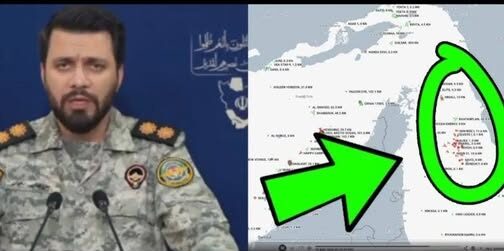
Rising Tensions Around the Strait of Hormuz Draw Global Attention
Recent statements from Iranian officials have brought renewed attention to the Strait of Hormuz, one of the world’s most important maritime routes for energy transportation. While no concrete changes to shipping access have been officially confirmed, comments suggesting that restrictions could be considered have prompted discussion among governments, analysts, and energy markets around the world.
The Strait of Hormuz is widely recognized as a key passage for international trade, particularly for the movement of oil and natural gas. Because of its strategic location between Iran and Oman, even speculation about possible limitations on traffic through the area can influence market expectations and global economic outlooks.
The Strategic Role of the Strait of Hormuz
The narrow waterway connects the Persian Gulf with the Gulf of Oman and the Arabian Sea, serving as a major corridor for global energy supplies. Every day, large volumes of oil and related products pass through the strait, making it one of the most closely monitored maritime routes in the world.
Due to its importance, any discussion surrounding the security or accessibility of the strait tends to attract immediate international attention. Governments, shipping companies, and energy markets all monitor developments in the region because of the potential effects on transportation routes and energy prices.
Regional Developments Increase Uncertainty
The current situation unfolds amid broader geopolitical tensions across parts of the Middle East. Reports of increased military activity and political signaling among several regional actors have contributed to a climate of uncertainty.
Analysts note that in regions where multiple strategic interests overlap, even small policy statements or shifts in messaging can have wider implications. As a result, developments in the Gulf are often carefully evaluated by both regional governments and the international community.
International Reactions and Monitoring
Political leaders in several countries have commented on the situation, emphasizing the importance of stability in global trade routes. Former U.S. President Donald Trump has raised concerns about potential security risks connected to the broader tensions in the region.
At the same time, officials connected to the administration of President Joe Biden have reportedly examined possible contingency plans designed to limit economic disruption. These discussions include monitoring shipping routes and ensuring that energy supply chains remain stable if conditions in the region change.
Economic Implications Beyond the Region
Because of the strait’s role in global commerce, developments in the area can affect markets far beyond the Middle East. Energy prices, shipping costs, and insurance rates for vessels operating in the region may respond quickly to changes in perceived risk.
Financial markets often react not only to confirmed actions but also to signals that suggest potential shifts in policy. As a result, even discussions about possible restrictions in the strait can influence investor sentiment and trade planning.
A Reminder of Global Interconnection
The situation highlights how closely interconnected modern economies have become. A narrow maritime passage located thousands of miles away can still influence fuel prices, trade logistics, and economic planning across multiple continents.
For policymakers and analysts, this reality underscores the importance of maintaining stability in key transportation corridors that support international commerce.
Diplomacy and Communication Remain Important
Observers emphasize that diplomatic communication and careful decision-making will play an important role in preventing further escalation. In regions where security interests, energy routes, and political alliances intersect, maintaining open dialogue can help reduce misunderstandings.
While the situation continues to evolve, many experts believe that ongoing diplomatic engagement will be essential to preserving stability in the Gulf and ensuring the continued flow of international trade.