
Why Nighttime Leg Cramps Happen and What You Can Do to Prevent Them
A Sudden Jolt in the Middle of the Night
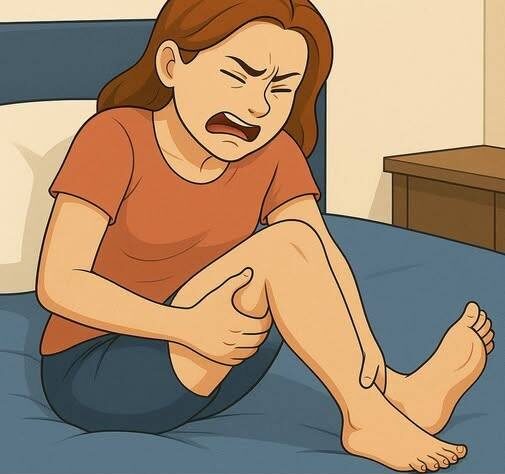
Few nighttime disruptions are as startling as a sudden leg cramp. One moment a person is sleeping peacefully, and the next a sharp, tightening pain shoots through the calf or foot.
The muscle may feel as if it has locked into place, forcing the sleeper to wake up and quickly try to stretch or move the leg. The sensation can be intense enough to interrupt sleep completely.
These unexpected muscle spasms, often referred to as nighttime leg cramps, are a common experience. Many people encounter them occasionally, while others find that they occur frequently enough to disrupt their rest.
Understanding What Happens During a Leg Cramp
A leg cramp occurs when a muscle contracts suddenly and involuntarily. The muscle tightens and becomes difficult to relax, producing a strong and often painful sensation.
In many cases, the calf muscles are affected, though cramps can also occur in the feet or thighs. The episode typically lasts from a few seconds to several minutes.
Even after the cramp fades, the affected muscle may remain sore or tender for some time. This lingering discomfort can make it difficult to fall back asleep.
Dehydration and Its Effect on Muscles
One of the most common factors linked to nighttime cramps is dehydration. When the body does not receive enough fluids during the day, the balance of electrolytes can shift.
Electrolytes help muscles function properly. When these chemical balances change, muscles may become more sensitive and prone to sudden contractions.
Even mild dehydration can affect muscle behavior, particularly overnight when the body remains inactive for extended periods.
The Role of Essential Minerals
Minerals such as magnesium, potassium, and calcium play an important role in muscle health. These nutrients help regulate nerve signals and muscle contractions.
If the body is running low on these minerals, muscles may become more likely to tighten unexpectedly. This is especially noticeable during rest, when circulation slows slightly and muscles remain still.
Dietary habits can influence mineral levels. Sweating heavily during exercise or consuming a diet lacking in nutrient-rich foods may contribute to deficiencies.
Physical Activity and Muscle Fatigue
Overexertion during the day can also lead to cramps later at night. Long walks, intense workouts, or unusual physical activity may strain the muscles.
When muscles become fatigued, they can respond by tightening during periods of relaxation. This reaction may occur hours after the activity has ended.
People sometimes notice that cramps appear on nights following especially demanding physical effort.
The Impact of Sitting or Standing for Long Periods
Extended periods of sitting or standing can place stress on leg muscles. Remaining in one position for many hours may shorten or tighten certain muscle groups.
Office work, long commutes, or jobs that require standing for most of the day can contribute to muscle stiffness. When the body finally relaxes at night, those tightened muscles may react by cramping.
Regular movement and gentle stretching throughout the day can help maintain muscle flexibility.
Posture and Muscle Tension
Posture plays a subtle but important role in muscle comfort. Sitting with poor alignment or standing with locked knees can create ongoing strain in the lower body.
Over time, these habits may cause muscles to remain partially contracted for extended periods. When a person lies down at night, the sudden shift in position can trigger a cramp.
Maintaining balanced posture and allowing the muscles to move freely during the day can reduce this tension.
Nerve Irritation and Lower Back Issues
Sometimes leg cramps are connected to nerve irritation. Conditions involving the lower back or spine may place pressure on nerves that control the legs.
When nerves become compressed or inflamed, signals sent to the muscles may become irregular. This can cause sudden tightening that feels similar to a typical nighttime cramp.
In these cases, the discomfort may occur more frequently or be accompanied by other sensations such as tingling or radiating pain.
Pregnancy and Changes in the Body
Leg cramps are especially common during pregnancy. Hormonal shifts, increased body weight, and changes in circulation can all contribute to muscle spasms.
As pregnancy progresses, pressure on blood vessels may affect how blood flows through the legs. This can make cramps more likely, particularly during the second and third trimesters.
Although these cramps can be uncomfortable, they are widely recognized as a common experience during pregnancy.
Medication Side Effects
Certain medications are known to increase the likelihood of muscle cramps. Some treatments can alter fluid balance or affect how the body manages minerals.
Medications that influence hydration levels or muscle chemistry may occasionally lead to nighttime spasms as a side effect.
Individuals who notice frequent cramps after starting a new medication may consider discussing the issue with a healthcare professional.
The Influence of Alcohol Consumption
Alcohol can also play a role in nighttime cramps. Consuming alcohol may contribute to dehydration and the loss of essential minerals.
These effects can create conditions that make muscles more prone to tightening unexpectedly. For some individuals, cramps may appear more often after evenings involving alcohol consumption.
Moderating intake and staying hydrated can help reduce this possibility.
Underlying Health Conditions
While most nighttime leg cramps are harmless, certain medical conditions may increase their frequency. Disorders that affect circulation, hormones, or metabolism can sometimes contribute to muscle spasms.
Conditions involving blood sugar regulation, thyroid activity, kidney function, or circulation may affect how muscles receive nutrients and oxygen.
When cramps occur very often or are accompanied by other symptoms, it may be useful to seek medical guidance.
Relief During an Active Cramp
When a cramp strikes, gentle stretching can often provide relief. For calf cramps, pulling the toes toward the nose while straightening the leg may help the muscle relax.
Massaging the tightened area can also encourage the muscle fibers to release their contraction. Although the sensation may be uncomfortable at first, gentle pressure often reduces the intensity of the spasm.
Some people find that standing or walking briefly helps the muscle recover its normal position.
Using Warmth to Relax Muscles
Applying warmth is another approach that may help soothe cramped muscles. A warm towel or heating pad placed on the affected area can increase circulation and encourage relaxation.
The warmth helps the muscle loosen gradually, easing the tight sensation that accompanies a cramp.
This method can also reduce lingering soreness after the initial cramp has passed.
Hydration and Daily Habits
Preventing frequent cramps often begins with simple daily habits. Drinking enough water throughout the day helps maintain balanced electrolyte levels.
Consistent hydration supports proper muscle function and reduces the likelihood of sudden nighttime contractions.
Even small improvements in fluid intake can sometimes make a noticeable difference.
Nutrient-Rich Foods and Muscle Health
Diet also plays a significant role in preventing cramps. Foods rich in magnesium, potassium, and calcium help support healthy muscle activity.
Leafy greens, nuts, fruits, and other nutrient-dense foods contribute to balanced mineral levels within the body.
Maintaining a varied diet that includes these nutrients can promote better muscle stability during rest.
Stretching Before Bed
Gentle stretching before sleep may reduce the chances of cramps during the night. Stretching the calves and hamstrings helps keep the muscles flexible.
This short routine encourages muscles to remain relaxed during the hours of rest that follow.
Regular stretching can be particularly helpful for individuals who spend much of the day sitting or standing.
Creating Comfortable Sleep Conditions
The position of the feet during sleep may also influence cramping. Tight bedding at the foot of the bed can sometimes force the feet into a pointed position.
This posture may shorten the calf muscles for long periods during the night. Allowing the feet to rest naturally can help reduce tension.
Adjusting bedding to keep the feet comfortable is a simple change that may prevent cramps.
When to Seek Medical Advice
Most nighttime leg cramps are temporary and harmless. They may occur occasionally without indicating a larger problem.
However, frequent cramps that disturb sleep repeatedly may deserve attention. Additional symptoms such as swelling, weakness, or persistent pain could suggest another underlying issue.
In such cases, consulting a healthcare professional can help determine whether further evaluation is needed.
A Common but Manageable Problem
Nighttime leg cramps are a widespread experience that affects people of many ages and lifestyles. Although they can be painful and disruptive, they are often linked to everyday factors such as hydration, nutrition, or muscle fatigue.
By understanding the possible triggers and adopting supportive habits, many individuals find that cramps become less frequent.
With simple adjustments to daily routines and sleep habits, restful nights can become far more comfortable.