
Why Drying Laundry Outside in Spring Can Worsen Seasonal Allergies
The Pleasant Ritual of Spring Laundry
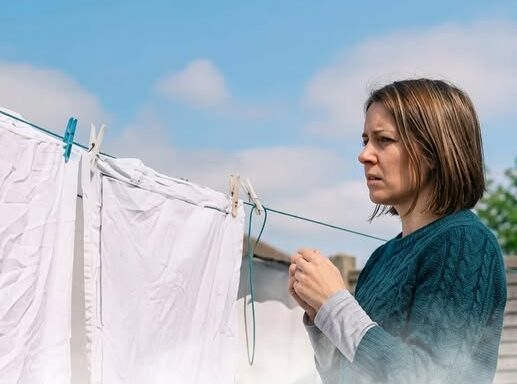
With the arrival of spring, warmer temperatures and gentle breezes encourage many people to return to simple seasonal routines. One familiar sight is freshly washed clothing and linens hanging outside to dry in the sunlight, moving softly in the breeze and filling the air with the clean scent of laundry.
For many households, this routine represents the refreshing shift from winter to longer, brighter days. The act of hanging laundry outdoors can evoke memories of childhood, daily household rhythms, and the satisfaction that comes with completing everyday chores.
Yet for millions of people who experience seasonal allergies, this seemingly harmless activity can unintentionally introduce a hidden problem into the home. What appears to be a pleasant spring tradition may actually increase exposure to pollen and worsen allergy symptoms.
The Hidden Presence of Pollen
As plants awaken during spring, they release large amounts of pollen into the air as part of their natural reproductive cycle. Trees, grasses, and other vegetation begin producing these microscopic particles, which are carried easily by wind and spread widely throughout the environment.
Although pollen plays an essential role in plant reproduction, it also becomes one of the main triggers of seasonal allergies. The tiny particles are nearly invisible to the human eye, yet they can cause significant reactions in individuals who are sensitive to them.
Common symptoms associated with pollen exposure include frequent sneezing, nasal congestion, watery or itchy eyes, fatigue, and irritation of the throat and sinuses. For many people, these symptoms can persist for months during peak pollen seasons.
The difficulty in managing pollen exposure stems from the fact that it travels easily and settles on a wide range of surfaces. Clothing, furniture, hair, bedding, and household fabrics can all become carriers of these particles.
How Outdoor Drying Creates an Allergy Trap
Clothes and linens drying outdoors provide an ideal surface for pollen to collect. As freshly washed fabrics hang on a line, airborne particles drifting through the environment settle quietly into the fibers.
The longer laundry remains outside, the more opportunity pollen has to accumulate. Even on days when the air feels clean and fresh, high pollen concentrations may still be present in the atmosphere.
Once the clothing and linens are brought back indoors, the pollen travels with them. The particles that settled onto fabrics are then transferred into living spaces, bedrooms, and closets.
This process can increase exposure in subtle but persistent ways. Bedding that appears freshly cleaned may carry allergens, clothing worn indoors may release pollen into the air, and household surfaces can gradually accumulate these irritants.
Because pollen is difficult to see, the connection between outdoor laundry drying and worsening allergy symptoms often goes unnoticed. However, the impact can be significant for individuals who are highly sensitive.
The Widespread Nature of Seasonal Allergies
Seasonal allergies affect a substantial portion of the population in many regions of the world. During peak pollen periods, large numbers of people experience symptoms associated with allergic rhinitis, commonly known as hay fever.
In countries such as France, nearly one-third of the population experiences allergic rhinitis during the months when pollen levels are highest. These reactions occur as the immune system responds to airborne particles that it mistakenly identifies as harmful.
The body reacts by releasing histamines and other chemicals that trigger inflammation in the nasal passages, eyes, and respiratory system. This immune response leads to the uncomfortable symptoms that allergy sufferers recognize all too well.
Because pollen can travel great distances through the air, even individuals who spend limited time outdoors may still encounter significant exposure. Everyday activities, including walking outside briefly or opening windows, can introduce pollen indoors.
Why Pollen Easily Clings to Fabrics
Pollen particles are extremely light and can remain suspended in the air for long periods. Their small size allows them to settle easily on porous surfaces, especially fabrics and textiles.
Clothing fibers, towels, bed sheets, and other soft materials provide countless tiny spaces where pollen can become trapped. Once embedded in these fibers, the particles may remain present even after fabrics are brought indoors.
This means that a freshly washed shirt or blanket dried outdoors during pollen season can unknowingly carry allergens back into the home. Each movement of the fabric may release additional particles into the surrounding air.
Repeated exposure to these allergens can intensify symptoms for those who are sensitive, particularly when pollen accumulates in bedding or frequently worn clothing.
Reducing Exposure Through Simple Laundry Choices
One of the most effective steps allergy sufferers can take is to avoid drying laundry outside during periods when pollen levels are high. Using a tumble dryer or drying clothes indoors helps prevent pollen from settling on freshly washed fabrics.
Indoor drying can be especially helpful when done in a well-ventilated room where air circulation remains steady. This approach allows clothes to dry while reducing the likelihood that outdoor allergens will accumulate on them.
For individuals who prefer outdoor drying whenever possible, selecting sheltered areas may offer some protection. Covered balconies, patios, or partially enclosed spaces can reduce direct exposure to airborne pollen.
Although these locations do not eliminate pollen entirely, they can limit the amount that settles onto fabrics compared with fully exposed clotheslines.
Daily Habits That Help Manage Pollen Exposure
Laundry practices are only one part of reducing pollen exposure during allergy season. A number of simple habits can also help minimize the amount of pollen that enters the home.
Wearing sunglasses or hats outdoors can reduce the amount of pollen that settles on hair and around the eyes. These protective items create a small barrier against airborne particles.
Showering after returning home from outside activities can also be beneficial. Washing hair and skin removes pollen that may have accumulated during the day.
Changing clothes immediately after coming indoors helps prevent allergens from spreading through living spaces. Clothing worn outdoors can carry pollen that continues to circulate within the home.
Maintaining clean living areas is equally important. Regular vacuuming and wiping of surfaces helps remove particles that settle indoors.
Monitoring Environmental Conditions
Paying attention to daily pollen levels can provide valuable guidance for individuals managing seasonal allergies. Many regions experience fluctuations in pollen concentration depending on weather conditions, plant cycles, and wind patterns.
On days when pollen levels are particularly high, limiting outdoor activities may reduce exposure. Avoiding environments where plants have recently been cut or disturbed can also help minimize contact with airborne particles.
By adjusting routines according to environmental conditions, individuals can reduce the likelihood of bringing pollen into their homes.
Medical Support for Allergy Symptoms
Despite preventive efforts, many individuals continue to experience allergy symptoms during peak seasons due to the widespread presence of pollen. Medical treatments can provide important relief for those affected.
Antihistamines are commonly used to reduce symptoms such as sneezing, itching, and nasal congestion. These medications work by blocking the chemicals released during allergic reactions.
Nasal sprays may also help ease inflammation inside the nasal passages, improving breathing and reducing discomfort. Eye drops are frequently used to relieve redness, itching, and irritation caused by pollen exposure.
While these treatments help manage symptoms, they do not eliminate the presence of allergens in the environment. For this reason, prevention remains an important component of managing seasonal allergies.
Creating a Comfortable Indoor Environment
The relationship between outdoor environments and indoor spaces plays a major role in allergy management. Pollen that enters the home can continue to affect residents long after they have returned indoors.
Keeping windows closed during days with high pollen counts can reduce the amount that enters living areas. Regular cleaning routines help remove particles that settle on floors, furniture, and fabrics.
Washing bedding frequently in hot water can also help reduce the buildup of allergens that accumulate over time. Clean sheets and pillowcases create a more comfortable sleeping environment for individuals sensitive to pollen.
These small but consistent steps help create a protective barrier between indoor living spaces and outdoor allergens.
Balancing Enjoyment of Spring With Allergy Protection
Spring is widely appreciated for its beauty, warmth, and renewed natural energy. Blossoming plants, longer daylight hours, and comfortable temperatures encourage people to spend more time outdoors.
For individuals with seasonal allergies, however, this time of year can also bring ongoing challenges. Understanding how everyday activities influence pollen exposure allows people to make adjustments that improve comfort.
Simple changes such as drying laundry indoors, maintaining clean living spaces, and paying attention to pollen conditions can significantly reduce symptoms.
These practical strategies allow individuals to continue enjoying the season while protecting their health and well-being.
Small Adjustments With Significant Benefits
Managing seasonal allergies does not require avoiding spring entirely. Instead, it involves understanding how pollen interacts with daily habits and making thoughtful adjustments to minimize exposure.
By reconsidering where laundry is dried, monitoring environmental conditions, and maintaining clean indoor environments, allergy sufferers can reduce the amount of pollen entering their homes.
These small lifestyle changes can make a meaningful difference during peak allergy months. With the right precautions in place, the simple pleasure of clean laundry and warm spring sunshine can still be enjoyed without the added discomfort of pollen-triggered symptoms.