
What Stringy Webbing in Rice Means and How to Keep Your Pantry Safe
Why Webbing in Rice Should Not Be Ignored
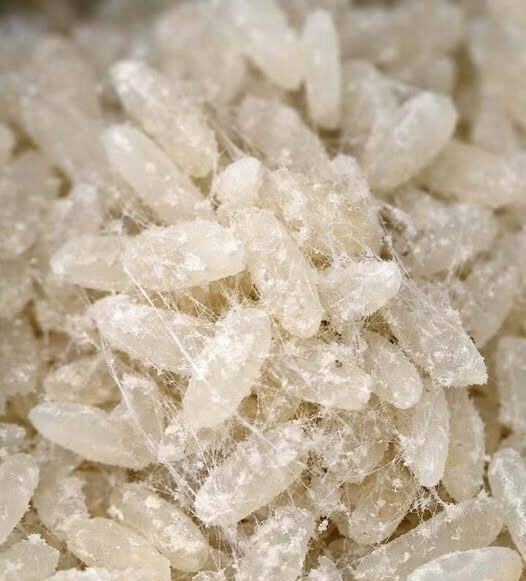
Finding thin, stringy webbing inside a container of rice can be alarming, especially when the rice looked clean and properly stored. The sight of web-like material in dry food often raises immediate questions about safety, cleanliness, and whether the food can still be used.
In most cases, this type of webbing points to a pantry pest problem. It is usually linked to the larvae of the Indian meal moth, a common household pest that can infest rice, flour, cereal, nuts, grains, and other stored dry goods.
The webbing is not part of the rice itself. It is a silk-like material produced by larvae as they feed and move through the food. When the infestation grows, the threads can cause grains to clump together or stick to the sides of the container.
What the Stringy Webbing Actually Is
The fine white or off-white threads found in rice are typically produced by pantry moth larvae. These larvae spin silk as they feed, creating small networks of webbing between grains.
At first, the webbing may be difficult to notice. It may only appear when the rice is scooped, poured, or stirred. In more advanced infestations, the webbing can become more obvious and may hold sections of rice together in sticky clumps.
This problem is not limited to rice. Similar webbing may appear in flour, cereal, pasta, dried fruit, pet food, nuts, and other pantry staples. Any dry food that provides a suitable place for larvae to feed can become affected.
The Pantry Pest Behind the Problem
The Indian meal moth is one of the most common insects responsible for pantry infestations. Adult moths are small and may be seen fluttering around kitchens, cupboards, pantry shelves, or lights.
Although the adult moths are easier to notice, the larvae cause most of the damage. These larvae are small, cream-colored caterpillars with darker heads. They feed directly on stored food and leave behind webbing, waste, shed skins, and other contamination.
Adult Indian meal moths can reproduce quickly. A single female can lay hundreds of eggs, and those eggs may hatch within a short period under favorable conditions. Because the eggs are extremely small, a container can already be contaminated before any obvious signs appear.
How Moths Get Into Rice Containers
Many people are surprised to find pests inside containers they believed were sealed. However, pantry moths and their larvae can enter through small gaps in packaging, loose lids, thin plastic, or damaged cardboard.
Larvae may also chew through weak packaging to reach food. Thin grocery bags, paper boxes, and loosely closed containers often do not provide enough protection against a determined infestation.
In some cases, the problem begins before the product reaches the home. Eggs or larvae may already be present in food from storage areas, warehouses, stores, or packaging environments. Once brought into a pantry, the insects can spread from one item to another.
This is why a single contaminated bag of rice can quickly become a wider pantry issue. Nearby boxes, bags, and containers may also need to be inspected, even if they appear untouched from the outside.
Signs of a Pantry Moth Infestation
Webbing in rice is one of the clearest warning signs, but it is not the only one. Small larvae may be visible inside food containers or crawling along pantry shelves, walls, corners, or ceilings.
Adult moths may also appear in the kitchen, especially in the evening. They often move in an uneven, fluttering pattern and may be drawn toward light sources.
Another sign is a dusty or grainy residue at the bottom of containers. This material can include insect waste, food fragments, and other debris left behind by feeding larvae.
Infested food may also develop an unusual or stale odor. Even when the food does not smell strongly, the presence of webbing, larvae, cocoons, or waste means the product has been compromised.
Is Rice With Webbing Safe to Eat?
Rice affected by pantry moth larvae is generally not considered a serious health threat if a small amount is accidentally consumed. The larvae are not known for spreading dangerous diseases to humans.
However, that does not mean contaminated rice should be eaten. Webbing, larvae, eggs, waste, shed skins, and cocoons can reduce the quality of the food and make it unpleasant or unsuitable for normal use.
Heavily infested rice should be discarded. Sensitive individuals may experience discomfort or allergic reactions, and many people simply do not feel comfortable eating food that has been visibly contaminated by insects.
Discarding the affected rice is usually the safest and most practical choice. It also helps reduce the risk of the infestation spreading further through the pantry.
Why Rice and Dry Goods Attract Pantry Moths
Rice and other dry foods provide the kind of environment pantry moth larvae need to grow. These foods offer nutrients, shelter, and a quiet place where larvae can feed with little disturbance.
Products rich in carbohydrates and proteins are especially attractive. Grains, cereals, nuts, flour, and similar staples can support the insects through their early life stages.
Storage conditions also matter. Warm and humid environments can speed up the moth life cycle, allowing populations to grow faster. Open bags, loose clips, and weak containers make the problem easier for pests to exploit.
Pantry items that sit unused for long periods are also more vulnerable. Food stored at the back of a shelf for months may become a hidden breeding area before the problem becomes visible.
How to Inspect and Remove Contaminated Food
When webbing is found in rice, the first step is to inspect the entire pantry. Every nearby dry food item should be checked, including sealed-looking packages, cardboard boxes, paper bags, and plastic containers.
Look closely for webbing, larvae, adult moths, clumps, unusual dust, or small holes in packaging. Pay attention to corners, folds, seams, and the bottoms of containers, where insects and residue may hide.
Any clearly contaminated food should be removed immediately. It should be placed in a sealed trash bag and taken out of the home rather than left in an indoor trash can.
Leaving infested food inside the kitchen trash can allow larvae to crawl out and continue the problem. Prompt disposal helps stop the insects from returning to pantry shelves.
Cleaning the Pantry After an Infestation
Removing the contaminated food is only part of the process. The pantry itself must also be cleaned thoroughly to remove larvae, eggs, cocoons, and food debris.
Vacuum shelves, corners, cracks, shelf holes, and crevices carefully. These small spaces can provide hiding spots for larvae or cocoons even after the original food source has been thrown away.
After vacuuming, shelves and surfaces should be wiped down with hot, soapy water or a vinegar-and-water mixture. Containers that held affected food should also be washed thoroughly and dried completely before reuse.
Moisture should not be left inside storage containers, because damp conditions can create other food safety concerns. Clean containers should be fully dry before fresh rice or other dry goods are added.
Using Cold Storage to Protect Dry Goods
Freezing dry goods can help stop hidden eggs or larvae from developing. Non-infested items that may have been exposed can be placed in the freezer for several days as a precaution.
Cold temperatures interrupt the pest life cycle and can help prevent a small hidden problem from becoming a larger infestation. This method is especially useful after discovering moth activity in the same pantry area.
After freezing, food should be transferred to secure containers. Freezing alone does not protect food from future contamination if it is returned to weak packaging or loosely closed bags.
Best Storage Methods to Prevent Webbing in Rice
The strongest prevention method is proper storage. Dry goods should be kept in airtight containers made from glass, metal, or thick plastic.
Thin plastic bags and cardboard boxes are not reliable barriers against pantry pests. A sturdy container with a tight lid provides much better protection and helps keep food fresh for longer.
It is also helpful to label containers with purchase dates. Using older food first reduces the chance of forgotten pantry items sitting undisturbed long enough for pests to develop.
A clean, organized pantry makes inspection easier. When food items are visible and properly sealed, early signs of infestation are much easier to catch before the problem spreads.
Natural Deterrents and Routine Checks
Some households use bay leaves or dried lavender sachets as natural deterrents. These may help discourage moth activity, especially when combined with strong storage habits and regular cleaning.
Natural deterrents should not replace proper inspection and sanitation. They work best as a supporting measure after contaminated food has been removed and the pantry has been cleaned.
Routine checks are important. Looking through stored rice, flour, cereal, and other dry goods every so often can help identify webbing or larvae before the infestation becomes severe.
When Professional Pest Control May Be Needed
Many pantry moth problems can be handled at home with careful disposal, deep cleaning, and improved storage. If the infestation is limited to one or two products, these steps are often enough.
Professional help may be needed when moths continue appearing after repeated cleaning. Persistent activity can suggest that insects are hiding in hard-to-reach areas, such as deep cabinet gaps, wall spaces, or structural crevices.
A severe infestation can be stressful and difficult to fully eliminate without targeted treatment. In those cases, pest control professionals may help locate the source and reduce the chance of the problem returning.
Keeping Rice Safe Going Forward
Stringy webbing in rice is usually a sign that pantry moth larvae have been feeding inside the container. While accidental exposure is not usually a medical emergency, visibly contaminated rice should be discarded.
The most effective response is quick action: remove affected food, inspect nearby pantry items, clean shelves and containers, and switch to airtight storage. These steps protect the rest of the pantry and reduce the risk of repeat infestations.
With careful storage and regular checks, rice and other dry goods can remain clean, fresh, and safe to use. A well-sealed, organized pantry is the best defense against the tiny pests that create those unsettling webs.