
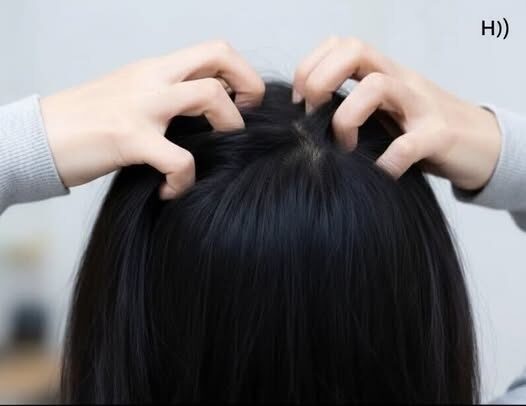
Why Persistent Scalp Itching Should Never Be Ignored
The Scalp as a Sensitive and Reactive Environment
A recurring itch on the scalp is rarely without reason, even when it seems to appear without warning. The scalp is living tissue, filled with nerve endings, oil-producing glands, hair follicles, and naturally occurring microorganisms. Each of these components responds quickly when balance is disrupted.
Itching acts as one of the body’s earliest signals that something is wrong. Beneath the surface, irritation, inflammation, or internal stress may already be present. While many people treat scalp itching as a minor nuisance, the sensation often reflects deeper issues affecting skin health and overall well-being.
Unlike other areas of the body, the scalp is frequently covered, cleansed, and exposed to styling products. These repeated treatments can either calm irritation or make it worse. Because of this, identifying the source of scalp discomfort requires careful observation of patterns and habits.
Noticing when the itch occurs, what seems to trigger it, and whether recent changes have taken place in daily routines can provide valuable insight. Some causes are temporary and mild, while others require more focused care.
Dandruff and Seborrheic Dermatitis
One of the most widespread yet misunderstood causes of scalp itching is dandruff. In more persistent cases, it is known as seborrheic dermatitis. Many assume dandruff results purely from dryness, but that is not always accurate.
In numerous cases, dandruff is connected to an overgrowth of a naturally present yeast called Malassezia. This organism feeds on oils produced by the scalp and generates byproducts that can irritate the skin. The resulting inflammation leads to flaking and persistent itching.
Because of this, even individuals with oily scalps may experience dandruff. Flakes can appear white or yellowish and may range from fine particles to greasy patches. They often collect along the hairline, behind the ears, or at the crown.
Cold weather, stress, hormonal fluctuations, and irregular shampooing can all intensify symptoms. Treatments designed to control yeast growth often include medicated shampoos formulated to reduce inflammation and flaking.
Consistency in treatment is critical. Stopping therapy too soon may allow symptoms to return quickly, creating a frustrating cycle of relief and relapse.
Scalp Psoriasis and Immune-Driven Inflammation
Another condition that can cause intense scalp itching is psoriasis. Though it may resemble dandruff at first glance, psoriasis usually produces thicker, silvery scales and can involve more pronounced irritation.
This condition stems from an overactive immune response that speeds up skin cell production. As cells accumulate faster than they shed, visible buildup and inflammation occur.
People with scalp psoriasis often describe itching that is accompanied by burning or tenderness. Flare-ups may be influenced by emotional stress or physical strain.
Managing symptoms typically involves medicated treatments to slow skin turnover and calm inflammation. Addressing stress levels can also reduce the frequency and intensity of episodes.
Fungal Infections and Tinea Capitis
Though less common in adults, fungal infections of the scalp can also trigger persistent itching. Known as tinea capitis, these infections are caused by dermatophyte fungi that invade the hair and surrounding skin.
Symptoms may include redness, scaling, broken hairs, or patchy hair thinning. Unlike dandruff, fungal infections often worsen progressively if untreated.
Standard anti-dandruff products generally fail to resolve fungal infections because they do not penetrate deeply into hair follicles. Oral antifungal medications are often necessary to eliminate the infection completely.
Early diagnosis helps prevent complications such as scarring or lasting hair loss. Persistent itching accompanied by visible changes in hair density should not be overlooked.
Allergic and Irritant Contact Dermatitis
Hair care products can sometimes become the source of scalp discomfort. Allergic or irritant contact dermatitis occurs when the scalp reacts negatively to ingredients found in shampoos, conditioners, dyes, gels, sprays, or oils.
Common irritants include fragrances, preservatives, and harsh cleansing agents. Reactions may appear immediately after use or develop gradually over several days.
Symptoms often include redness, swelling, burning sensations, itching, or small bumps. Because reactions can be delayed, identifying the responsible product may require careful elimination of recently introduced items.
Testing new products on a small patch of skin before full application can help prevent widespread irritation. Simplifying hair care routines and choosing gentle formulas can significantly reduce sensitivity.
Environmental and Physical Triggers
Environmental conditions frequently contribute to scalp itching. Dry winter air can strip moisture from the skin, leaving the scalp tight and irritated.
Sun exposure is another often overlooked factor. Thinning hair or visible part lines leave sections of the scalp vulnerable to sunburn. A burned scalp may feel tender, itchy, and tight, and peeling may occur as healing begins.
Protective measures such as wearing hats or limiting direct sun exposure can prevent damage. Taking simple precautions can significantly reduce discomfort.
Lice infestations also cause intense itching. The irritation results from the body’s reaction to lice saliva rather than the insects themselves. Even after successful treatment, itching may continue for some time as the scalp recovers.
Thorough treatment and proper cleaning of bedding, clothing, and accessories are necessary to prevent recurrence. Addressing both the infestation and the environment is essential.
Internal Influences and Lifestyle Factors
Scalp itching is not always driven by external causes. Hormonal shifts, nutritional deficiencies, and chronic stress can all influence scalp health.
Stress, in particular, can weaken the skin barrier and alter immune responses. These changes may worsen existing conditions or contribute to new irritation.
Nutritional imbalances involving zinc, iron, and essential vitamins may subtly affect skin function. When the body lacks key nutrients, the scalp may become more prone to dryness and sensitivity.
Hydration also plays a meaningful role. Insufficient water intake can contribute to dry skin, including the scalp, increasing the likelihood of itching.
Supportive Habits for Long-Term Relief
Relieving scalp discomfort often requires a balanced approach that combines targeted treatments with consistent daily care. Gentle cleansing with mild shampoos can help preserve the scalp’s natural moisture barrier.
Avoiding very hot water during washing is important, as excessive heat removes protective oils and may intensify inflammation. Lukewarm water is generally more supportive of scalp health.
Hydration does not necessarily require heavy oils. Lightweight scalp treatments containing soothing ingredients can calm irritation without clogging follicles.
Maintaining a nutrient-rich diet supports overall skin resilience. Omega-3 fatty acids and essential vitamins contribute to healthy cell function and immune balance.
Gentle scalp massage may improve circulation and relieve tension. However, aggressive scratching can damage the skin, introduce bacteria, and prolong irritation.
Stress management techniques such as regular exercise, deep breathing, and improved sleep habits can gradually reduce inflammation linked to emotional strain.
The Impact on Daily Life
Ongoing scalp itching can disrupt concentration and interfere with restful sleep. The constant urge to scratch may become distracting and uncomfortable throughout the day.
Visible flakes or redness can also affect self-confidence. Individuals may feel embarrassed in social or professional settings, increasing emotional stress that further aggravates symptoms.
This cycle of irritation and anxiety can make the condition feel overwhelming. Addressing the root cause helps break the pattern and restore comfort.
When Professional Evaluation Is Needed
While many cases of scalp itching respond well to over-the-counter solutions, persistent or worsening symptoms require medical evaluation. Severe redness, swelling, patchy hair loss, or signs of infection should not be ignored.
Early intervention can prevent complications such as scarring or permanent hair thinning. Identifying the underlying issue allows for more effective and targeted treatment.
The scalp reflects both external exposures and internal health. Paying attention to its signals can reveal valuable information about broader well-being.
Listening to the Body’s Early Signals
An itch may seem minor at first, but it represents communication from the body. Whether caused by dryness, inflammation, infection, stress, or product sensitivity, the sensation serves as a warning that balance has shifted.
Ignoring persistent itching may allow minor issues to develop into more complex problems. Taking the time to evaluate triggers, adjust routines, and seek appropriate care can lead to meaningful improvement.
Scalp health is closely tied to overall comfort and confidence. Thoughtful attention to its needs supports both physical relief and emotional peace of mind.
Addressing the source of irritation rather than masking the symptom transforms temporary relief into lasting comfort. Caring for the scalp is an essential part of caring for the body as a whole.