
Plantago Major: Understanding the Edible Flowering Shoots of a Common Backyard Plant
A Familiar Plant with Unexpected Culinary Uses
Plantago major is a plant that many people have seen growing along sidewalks, in lawns, or near garden edges. Often regarded simply as a common weed, it has a long history of practical uses in different cultures.
While it is widely recognized for traditional uses related to skin care and soothing properties, fewer people realize that parts of the plant are also edible. Among these edible parts are the flowering shoots, which can be harvested and prepared in simple ways.
When gathered at the right stage of growth, these slender shoots can be cooked and eaten much like other mild wild greens.
Important Information About Use
This article is intended for informational purposes only.
Anyone seeking medical advice, diagnosis, or treatment should consult a qualified professional.
Understanding the Structure of the Plant
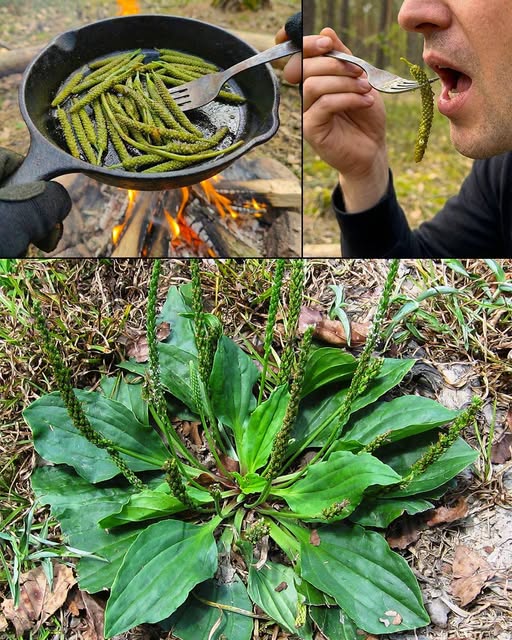
Broadleaf plantain typically grows as a low cluster of oval-shaped leaves arranged in a flat rosette close to the ground. These leaves often feature strong, visible veins that run lengthwise.
From the center of the leaf cluster, the plant produces thin vertical stalks that rise upward. Each of these stalks supports a dense flower spike composed of tiny blossoms that eventually develop into seeds.
The flowering stalk is the part most often harvested for culinary use when it is still young and tender.
Choosing the Best Shoots for Eating
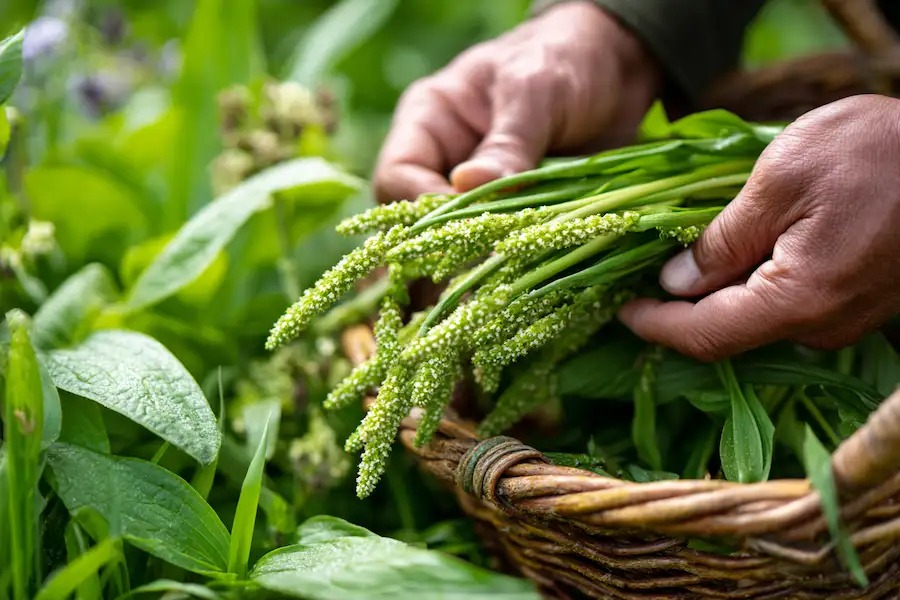
The quality of the shoots depends greatly on their stage of growth. Younger shoots tend to have a softer texture and milder flavor, making them easier to cook and enjoy.
Ideal shoots are usually flexible rather than stiff and can be snapped easily near the base. This indicates that the fibers are still tender.
As the plant matures and the seed head develops further, the stalks can become tougher and slightly bitter. Harvesting earlier helps maintain a more pleasant texture and taste.
Nutritional Characteristics of Plantain
Like many edible wild plants, plantain contains a variety of natural nutrients and plant-based compounds. These contribute to the nutritional diversity of foods gathered from natural environments.
The plant contains dietary fiber, which supports normal digestive processes and contributes to the structure of plant-based foods.
It may also contain vitamins and minerals commonly found in leafy plants, along with antioxidant compounds known as polyphenols.
Although plantain is not typically classified as a “superfood,” it can still provide useful nutritional variety, particularly for those interested in wild foods and foraging traditions.
Plant Compounds of Interest
Plantago major has been used in traditional herbal practices for many years. Researchers have identified several naturally occurring compounds within the plant that may contribute to its historical reputation.
One such compound is mucilage, a gel-like soluble fiber known for its soothing qualities in plant tissues.
The plant also contains tannins, which are compounds that can produce a mild astringent effect.
Another group of compounds found in plantain includes iridoid glycosides, which are often studied for their potential biological properties.
Flavonoids are also present. These antioxidants are found in many plants and contribute to the protective chemistry of leaves and stems.
While these compounds attract scientific interest, eating plantain should be viewed simply as part of a varied and balanced diet rather than as a medical treatment.
Preparing Young Plantain Shoots for Cooking
The flowering shoots of plantain can be prepared in several easy ways once they are harvested. Their mild flavor allows them to blend well with a variety of everyday dishes.
Proper cleaning is important before cooking. Rinsing the shoots thoroughly helps remove dirt or debris that may be present from outdoor growth.
Once cleaned, the shoots can be trimmed and prepared in ways similar to other tender greens.
A Simple Sauté Method
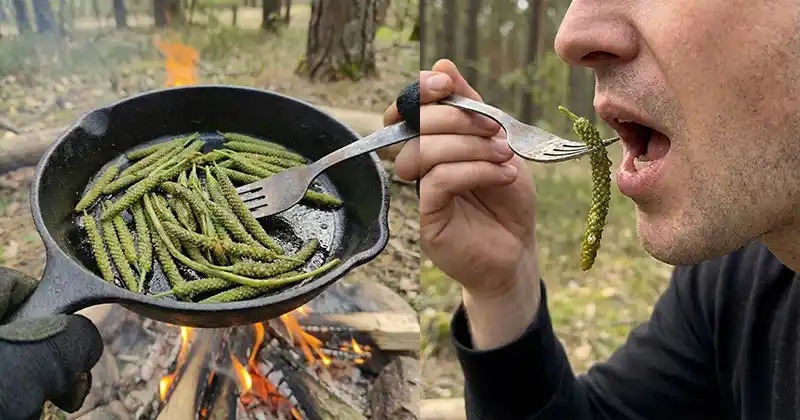
One of the easiest ways to cook plantain shoots is through a quick sauté.
After washing and chopping the shoots into manageable pieces, they can be placed in a pan with a small amount of oil or butter.
Cooking them briefly over moderate heat softens the fibers and improves their texture.
Seasonings such as salt, pepper, or garlic can be added to enhance flavor. The result is a mild vegetable that pairs well with many dishes.
Blanching for Storage
For those who harvest larger quantities of shoots, blanching can help preserve them for later use.
The shoots can be placed in boiling water for a short period, then quickly cooled and drained.
After blanching, they may be stored in small portions in the freezer.
This method allows the shoots to be added later to soups, stews, or sautéed meals without losing their texture.
Adding Plantain Shoots to Everyday Meals
Because young plantain shoots behave similarly to mild vegetables, they can be incorporated into a wide range of dishes.
Some people mix them into scrambled eggs or omelets, where the tender pieces blend easily with the other ingredients.
They can also be added to grain dishes such as rice or quinoa to introduce additional texture and plant-based nutrients.
Vegetable soups and stews are another practical option. The shoots soften during cooking and absorb surrounding flavors.
Very young shoots may also be pickled to create a tangy garnish that can be used in salads or alongside savory meals.
Traditional Uses Beyond Food
In addition to its culinary potential, plantain has been associated with traditional non-food uses.
One example involves the use of crushed leaves as a simple poultice applied to minor skin irritations.
This practice appears in various folk traditions where the plant was valued for its soothing qualities.
However, such traditional methods should never replace professional medical care when dealing with serious injuries, burns, infections, or allergic reactions.
Harvesting with Care and Awareness
Anyone interested in gathering wild plants should approach foraging with care and proper knowledge.
Correct identification is essential. Broadleaf plantain can usually be recognized by its oval leaves and strong parallel veins that run from the base toward the tip.
Harvesting should always take place in clean environments. Areas near busy roads, treated lawns, or contaminated soil should be avoided.
Because individual sensitivities vary, it is wise to start with small amounts when trying a new wild food.
Some people may experience digestive discomfort or allergic reactions when consuming unfamiliar plants.
Situations Requiring Extra Caution
People who are pregnant, taking medications, or managing certain health conditions should consult a qualified professional before regularly consuming wild plants.
Professional guidance can help ensure that dietary choices remain safe and appropriate for individual health needs.
This cautious approach helps maintain both safety and enjoyment when exploring wild foods.
The Value of Overlooked Wild Foods
Plantago major illustrates how many useful plants grow unnoticed in everyday environments. What is often considered a simple lawn plant may actually offer both nutritional and culinary possibilities.
By understanding how to identify and prepare young shoots, people can expand their awareness of edible plants that grow naturally in many regions.
These small discoveries can add variety to meals and encourage a greater appreciation for local plant life.
A Simple Addition to a Balanced Diet
When harvested young and prepared properly, the flowering shoots of Plantago major can serve as a practical wild vegetable.
They contribute dietary fiber, plant compounds, and mild flavor to a range of dishes.
While the plant’s traditional uses are widely discussed, its most reliable role is simply as an edible green that can complement other foods.
Looking at Nature with Fresh Perspective
Many edible plants grow quietly in places where people pass them every day without noticing their potential value.
Plantain is one example of how common plants can offer unexpected uses when understood more fully.
With careful identification, thoughtful harvesting, and simple preparation, even familiar backyard plants can become part of a diverse and interesting diet.
Sometimes the most practical foods are already growing close to home, waiting to be recognized.