
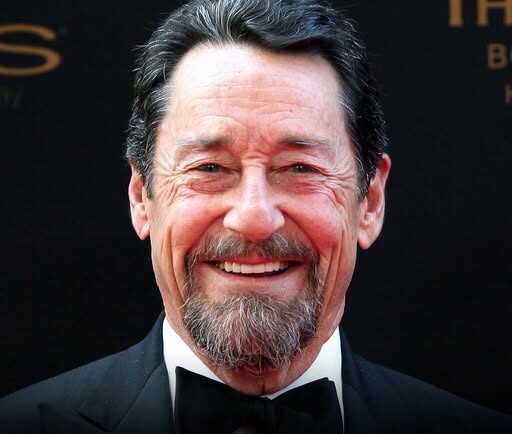
Peter Cullen Dies at 85, Leaving Behind the Legendary Voices of Optimus Prime and Eeyore
A Voice That Defined Generations Has Fallen Silent
Peter Cullen, the Canadian-born voice actor whose unmistakable baritone brought Optimus Prime to life in Transformers and gave Eeyore his famously gloomy personality in numerous Winnie the Pooh projects, has died at the age of 85.
Cullen passed away Wednesday at his home in Los Angeles, according to his representative.
His cause of death has not been publicly revealed.
His family confirmed that he died peacefully while surrounded by those closest to him.
For millions of fans around the world, the news marked the loss of far more than a performer.
Cullen’s voice had become part of childhood memories, animated history, blockbuster cinema, and one of the most enduring heroic characters ever created.
His Family Shared an Emotional Farewell
In a statement, Cullen’s family reflected on the love surrounding him at the end of his life.
“Peter Cullen passed away peacefully, surrounded by his loving family — and held in the hearts of his many friends and countless fans worldwide,” the family said.
The message did not focus only on his career.
Instead, his family encouraged people to honor him through the values that shaped both the man and the characters he portrayed.
They asked fans to serve their communities and lead others with compassion, integrity, and loyalty.
They Ended With Words Closely Connected to Optimus Prime
The family concluded their message with a phrase that became inseparable from Cullen’s legacy.
“Be strong enough to be gentle.”
The words carried special significance because they had shaped the way Cullen approached Optimus Prime decades earlier.
What began as advice from his older brother eventually became part of the philosophy behind one of animation’s most recognizable heroes.
Optimus Prime Became the Role That Defined Him
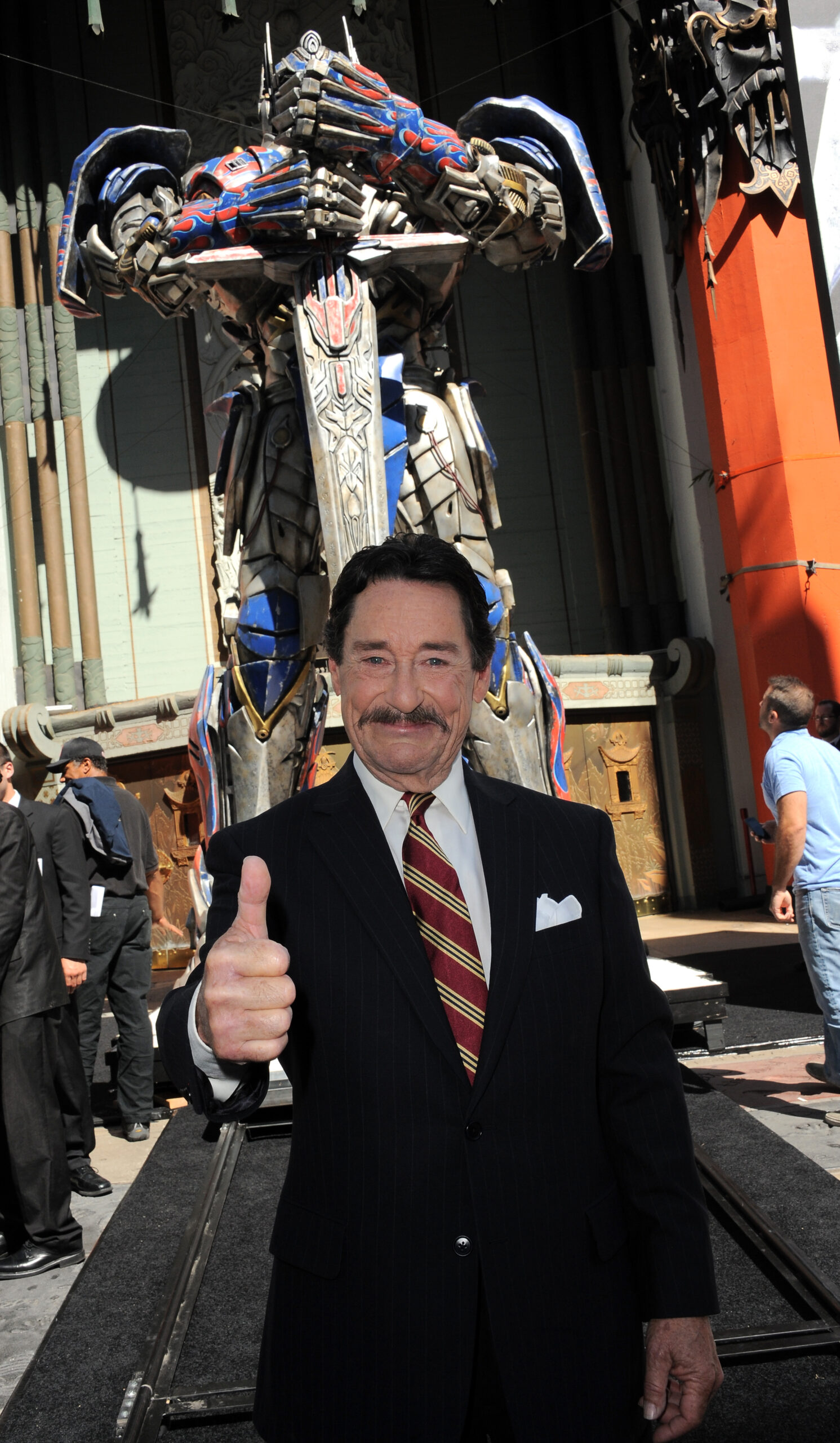
Cullen first voiced Optimus Prime in the original animated Transformers television series in 1984.
The role quickly became his signature performance.
Optimus was powerful, but Cullen did not make him harsh.
He was authoritative without sounding cold.
He was courageous without sounding reckless.
That balance gave the Autobot leader an emotional depth that helped separate him from more conventional action heroes.
His Voice Made Optimus Prime Feel Like a True Leader
Cullen’s deep delivery gave the character immediate authority.
But the performance was never simply about sounding powerful.
The calmness mattered just as much.
Optimus Prime often sounded like someone who did not need to shout to be respected.
That quality became central to the character’s identity.
For young viewers, Optimus represented courage, responsibility, loyalty, and compassion.
The 1986 Film Showed How Deeply Fans Already Cared
When Optimus Prime was killed in the 1986 animated film The Transformers: The Movie, the reaction among young fans was intense.
For many viewers, the character had already become much more than a fictional robot.
His death was genuinely upsetting.
The emotional response demonstrated just how strongly audiences had connected with Cullen’s interpretation.
The character was eventually brought back.
And Cullen’s relationship with Optimus Prime would continue for decades.
He Returned When Transformers Became a Blockbuster Franchise
More than two decades after first voicing Optimus, Cullen returned when Transformers became a major live-action movie franchise in 2007.
That return carried enormous emotional weight for longtime fans.
Adults who had grown up with the animated series suddenly heard the same familiar voice filling movie theaters.
The character looked different.
The technology had changed.
The scale was much larger.
But Cullen’s voice immediately connected the new films with the earlier generation.
His Performance Reached Multiple Generations
Cullen continued voicing Optimus Prime across films, television productions, video games, and other projects.
That longevity allowed several generations to grow up with the same voice attached to the character.
Parents who remembered Optimus from the 1980s could later introduce the character to their own children.
Few performers remain so closely connected with one role for such a long period.
Even fewer manage to preserve the same emotional connection across decades.
The Inspiration Behind Optimus Prime Was Deeply Personal
When Cullen prepared to audition for Optimus Prime, he turned to his older brother, Larry Cullen.
Larry was a U.S. Marine who had served in Vietnam.
Peter viewed him as a genuine hero.
Rather than approaching Optimus as a loud, exaggerated action figure, Cullen asked his brother what real heroism sounded like.
The answer changed everything.
Larry Told Him That Real Heroes Do Not Need to Shout
According to Cullen, his brother explained that true strength did not require constant displays of toughness.
A real leader did not need to scream.
He did not need to prove himself every moment.
Instead, strength could be controlled.
Leadership could be compassionate.
Power could exist alongside gentleness.
The advice was simple.
Be “strong enough to be gentle.”
Cullen Carried That Advice Directly Into the Audition
Rather than making Optimus Prime aggressive, Cullen gave him calm authority.
He used restraint.
He allowed the character to sound reassuring.
He incorporated qualities he associated with his brother.
That decision helped create one of the most recognizable and respected voices in animation history.
Optimus Prime Always Held a Special Place in His Heart
Even though Cullen voiced many characters, he repeatedly acknowledged how important Optimus Prime was to him personally.
“Optimus is my favorite character because it’s been so well received and it’s had such an effect on so many people,” Cullen once explained. “Because of that, I hold it closer than any other character I’ve done.”
The role mattered because of the response it received.
Fans did not simply enjoy the character.
Many found meaning in him.
Fans Saw Optimus as an Example of Leadership
To many viewers, Optimus Prime represented an ideal.
He was strong without being cruel.
He was brave without being thoughtless.
He was willing to sacrifice himself for others.
And he approached leadership with a sense of responsibility rather than ego.
Cullen’s voice made those qualities believable.
The Emotional Connection Passed From Parents to Children
The character became part of family memory across generations.
People who watched Transformers as children eventually introduced the franchise to their own sons and daughters.
Through that process, Cullen’s voice became familiar to people born decades apart.
That kind of continuity is rare.
It helped make Optimus Prime feel timeless.
Eeyore Revealed a Completely Different Side of Cullen’s Talent
Optimus Prime may have been his defining role, but Cullen was also beloved for his work as Eeyore.
The gloomy donkey from Winnie the Pooh required an entirely different emotional approach.
Eeyore was quiet.
Slow.
Weary.
Wonderfully pessimistic.
Cullen gave the character a gentle sadness that made him instantly recognizable.
The Contrast Between Optimus and Eeyore Showed His Range
The two characters could hardly have been more different.
Optimus was commanding and inspirational.
Eeyore sounded perpetually tired and resigned.
Yet both performances became iconic.
That contrast showed just how much Cullen could accomplish using only his voice.
He could communicate strength in one role and vulnerability in another.
Millions of Disney Fans Knew His Voice Without Knowing His Name
Cullen began voicing Eeyore in The New Adventures of Winnie the Pooh and continued portraying the character in numerous productions.
Many viewers may not have realized that the same performer behind Optimus Prime was also behind Eeyore.
The voices were dramatically different.
That was part of Cullen’s skill.
He could disappear into a character even when his own voice had become famous.
His Career Extended Far Beyond His Two Most Famous Roles
Cullen worked across animation, television, film, and voiceover projects for decades.
He voiced the villainous artificial intelligence KARR in Knight Rider.
He appeared in numerous animated productions.
And he contributed vocal work to characters audiences may never have connected with him.
He Also Helped Create the Sound of the Predator
Cullen contributed vocal effects to the extraterrestrial creature in the 1987 Arnold Schwarzenegger film Predator.
His work helped shape the distinctive clicks and unsettling sounds associated with the creature.
The performance was very different from his better-known speaking roles.
Yet it became another example of how versatile his voice could be.
Even Cullen Had Trouble Counting All His Characters
At one point, he admitted that he could not say exactly how many different voices he had performed during his career.
“I don’t know how many voices I have done over the years,” he said in 2008. “I couldn’t be dead on with an answer, but it has to be about 100 different characters.”
The number reflected the enormous range of work he completed over decades.
His Career Spanned Multiple Eras of Entertainment
Cullen’s professional life stretched across changing technologies and changing audiences.
He worked during the era of traditional television animation.
He later became part of blockbuster filmmaking.
He contributed to video games and newer forms of entertainment.
Through all those changes, his ability to create memorable characters remained constant.
His Voice Became More Famous Than His Face
Voice actors often experience a unique kind of recognition.
Millions may know their work instantly without recognizing them in public.
Cullen became one of the strongest examples of that phenomenon.
Fans could hear only a few words and immediately know who was speaking.
His voice itself became a signature.
For Transformers Fans, Actor and Character Became Almost Inseparable
Cullen’s connection to Optimus Prime grew so strong that many fans struggled to imagine the character without him.
Other versions of Transformers came and went.
Designs changed.
Storylines changed.
But Cullen’s delivery remained the emotional standard for many viewers.
Industry Recognition Eventually Followed
Cullen’s work received major recognition during his long career.
He earned a Daytime Emmy nomination for his performance in Transformers: Prime.
He was later honored with a Lifetime Achievement Award at the Children’s & Family Emmy Awards.
The recognition celebrated decades of contributions to entertainment.
But for fans, his true achievement was more personal.
It was the memories attached to his voice.
Different Audiences Remember Him for Different Reasons
For Transformers fans, Cullen’s voice brings back memories of Optimus Prime leading the Autobots.
For Disney audiences, it may be Eeyore quietly expecting disappointment.
For movie fans, it may be the unsettling sounds associated with Predator.
His career touched different corners of entertainment.
That diversity made his work unusually broad.
His Greatest Legacy May Be Emotional Rather Than Numerical
The number of characters Cullen voiced is impressive.
The number of productions is impressive.
The length of his career is impressive.
But none of those statistics fully explains why his death feels so significant.
The real legacy is the emotional connection people formed with the characters he brought to life.
His Voice Was Attached to Childhood Memories
For many people, hearing Cullen instantly recalls another time in their lives.
Saturday mornings.
After-school television.
Favorite toys.
Trips to the movies.
Parents introducing old characters to younger children.
His performances became attached to those moments.
Optimus Prime Became a Symbol of What Strength Could Look Like
Cullen’s interpretation showed that power did not have to sound angry.
Leadership did not have to be loud.
Authority could be calm.
Heroism could be compassionate.
That message resonated deeply with fans.
It also reflected the advice Cullen received from his brother.
The Phrase “Be Strong Enough to Be Gentle” Became His Philosophy
The words began as personal guidance.
They shaped an audition.
The audition shaped a character.
The character became a cultural icon.
And more than four decades later, the same phrase became part of Cullen’s farewell.
Few performers leave behind a message so closely connected to both their work and their life.
His Family Asked Fans to Carry That Message Forward
Rather than simply celebrating his career, Cullen’s family encouraged people to honor him through action.
Compassion.
Integrity.
Loyalty.
Service to others.
Those qualities were closely associated with Optimus Prime.
They were also the values Cullen’s family wanted people to remember beyond the character.
The Farewell Felt Fitting for the Man Behind Optimus Prime
For decades, Cullen gave voice to a leader who believed strength carried responsibility.
His family’s message echoed that same idea.
They did not ask fans only to mourn.
They asked them to behave in ways that reflected the principles Cullen helped make famous.
His Work Will Continue Long After His Death
Recorded performances do not disappear when an actor dies.
Cullen’s voice will continue to be heard.
Old Transformers episodes remain.
Films remain.
Games remain.
Winnie the Pooh productions remain.
Future generations will discover the same performances that earlier audiences loved.
New Viewers Will Hear the Same Optimus Prime
Children who were not alive during Cullen’s earliest work can still hear his interpretation exactly as audiences did in 1984.
That gives voice acting a unique kind of permanence.
The performer may be gone.
The performance remains unchanged.
In that sense, Cullen’s work will continue introducing him to people who never had the chance to know his name during his lifetime.
Eeyore Will Continue Carrying His Gentle Melancholy
The same is true of Eeyore.
Cullen’s weary delivery became part of the character’s appeal.
His voice gave the gloomy donkey tenderness beneath the pessimism.
That performance will continue to comfort and entertain audiences.
His Career Proved How Powerful a Voice Alone Can Be
Cullen did not need to appear on screen to create unforgettable characters.
With tone, timing, restraint, and emotion, he gave personalities to figures that existed only through animation, effects, or sound.
That is one of the defining skills of great voice acting.
Cullen demonstrated it repeatedly.
The Man Behind the Voice Became a Legend in His Own Right
For years, many viewers knew only Optimus Prime.
Later, more fans learned about Peter Cullen.
They learned about his brother’s influence.
They learned about the philosophy behind the performance.
They learned that the calm authority they admired in the character came from something deeply personal.
That Story Made Optimus Prime Even More Meaningful
Knowing that Cullen modeled part of the character on his brother added emotional depth to the performance.
The voice was not merely an acting choice.
It was connected to Cullen’s understanding of real courage.
He believed heroes did not need to dominate others.
They needed discipline, compassion, and strength.
Peter Cullen Leaves Behind More Than Famous Characters
He leaves behind a philosophy of leadership.
He leaves behind decades of performances.
He leaves behind childhood memories shared across generations.
And he leaves behind a voice so recognizable that millions can hear it in their minds without playing a single recording.
For Many Fans, He Will Always Be Optimus Prime
That association became unavoidable.
Cullen did not merely voice the Autobot leader.
He helped define him.
His performance shaped how the character sounded, behaved, and felt to generations of viewers.
That is why his death carries such emotional weight for Transformers fans.
For Others, He Will Always Be Eeyore
Some audiences first encountered Cullen through a completely different character.
They remember the gloomy donkey with the slow voice and gentle sadness.
That performance demonstrated another side of Cullen’s artistry.
It showed that his talent was not limited to heroic authority.
And for Many, He Was Simply a Familiar Voice From Childhood
That may be the broadest way to describe his legacy.
Peter Cullen’s work lived inside countless homes for decades.
People grew up with it.
They returned to it later.
They shared it with their children.
That kind of presence creates a connection that awards alone cannot measure.
His Final Message Was the Same Lesson That Started It All
More than four decades ago, Cullen entered an audition carrying advice from his brother.
Do not make the hero loud just to prove he is powerful.
Give him strength.
Give him compassion.
Be “strong enough to be gentle.”
That approach helped create Optimus Prime as generations came to know him.
Now those same words have become part of Peter Cullen’s farewell.
The Voice Is Gone, but the Legacy Will Keep Speaking
Peter Cullen died at 85 after a career that stretched across animation, television, film, games, and some of popular culture’s most memorable characters.
He was Optimus Prime.
He was Eeyore.
He contributed to the unforgettable sound of Predator.
And he voiced countless other characters across decades of work.
But numbers alone cannot explain what made him special.
His greatest achievement was making audiences believe in the characters they heard.
He gave Optimus Prime strength without cruelty.
He gave Eeyore sadness without losing warmth.
And through both, he demonstrated how much humanity could be carried in a voice.
The man behind that voice is gone.
But the characters, the memories, and the lesson that guided his most famous performance will remain.
Be strong enough to be gentle.