
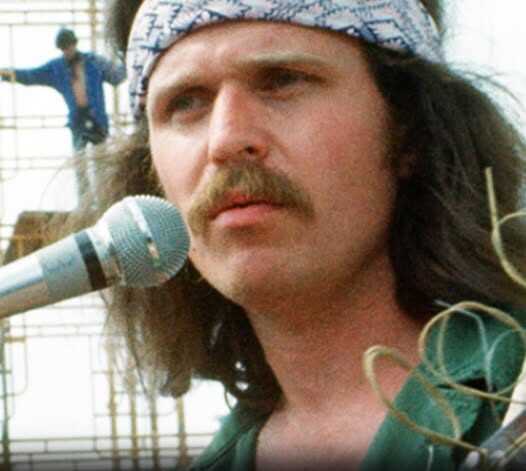
Folk-Rock Pioneer Country Joe McDonald Dies at 84
A Recognizable Voice of a Generation
The music world is remembering one of the most recognizable voices associated with the protest movement of the 1960s. Folk-rock singer and songwriter Country Joe McDonald has died at the age of 84.
According to his wife, Kathy McDonald, the musician passed away on March 7, 2026, at their home in Berkeley. His passing was linked to complications related to Parkinson’s disease.
At this time, no public memorial service has been announced. Fans, fellow musicians, and longtime listeners have begun reflecting on the legacy of an artist whose songs captured the mood of a transformative era in American history.
Early Life and Musical Influences
Country Joe McDonald was born Joseph Allen McDonald on January 1, 1942, in Washington, D.C. He later grew up in California, where music quickly became an important part of his life.
During his early years, McDonald developed an appreciation for folk music and socially conscious songwriting. One of his strongest influences was Woody Guthrie, a folk singer known for using music to comment on social and political issues.
Guthrie’s storytelling style and message-driven lyrics helped shape McDonald’s own approach to songwriting. From an early stage, he saw music not only as entertainment but also as a way to express ideas and reflect the concerns of society.
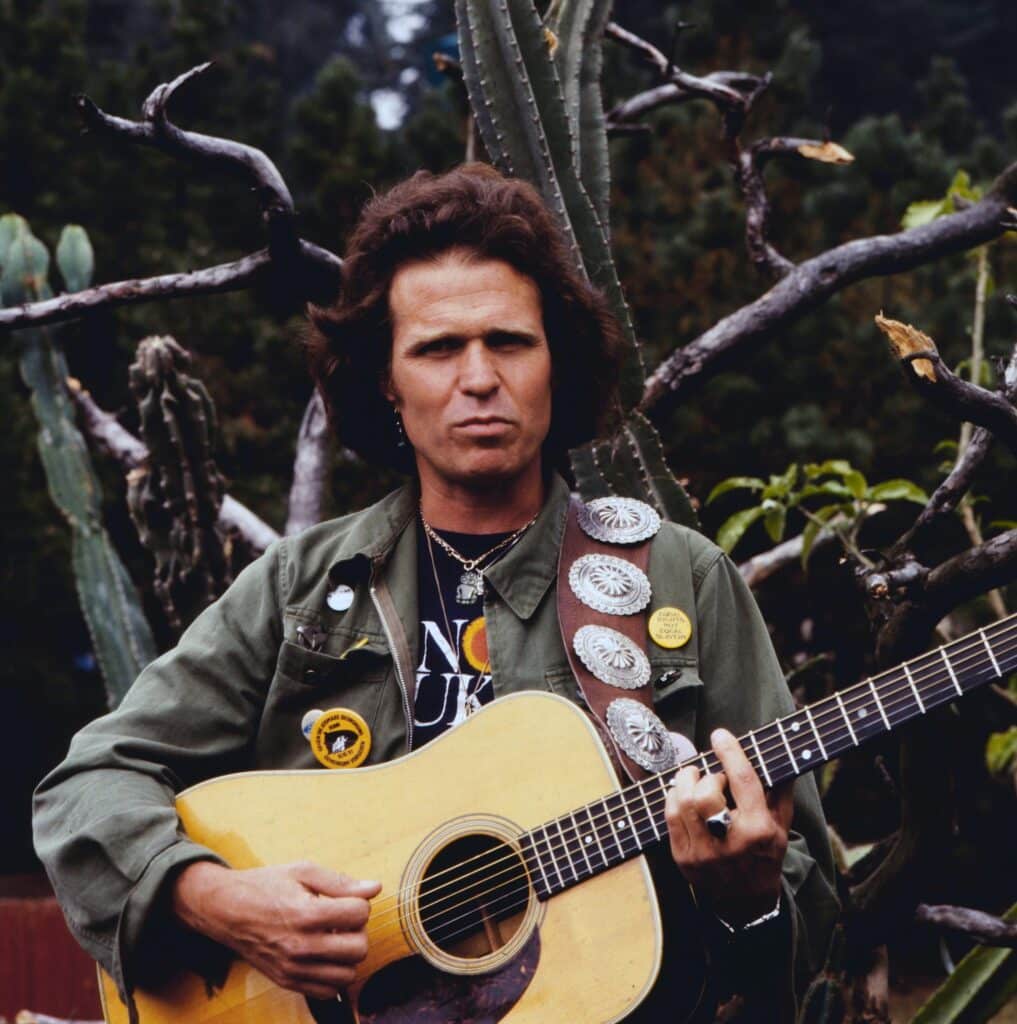
Military Service and the Berkeley Scene
Before fully dedicating himself to music, McDonald served in the United States Navy. After completing his service, he relocated to Berkeley, California.
During the early 1960s, Berkeley had become a center of political discussion, cultural experimentation, and artistic expression. The city attracted musicians, writers, students, and activists who were exploring new ideas about society and culture.
It was within this environment that McDonald began shaping his identity as both a performer and a songwriter. The atmosphere of debate and creativity in Berkeley helped inspire the themes that would later appear in many of his songs.
Formation of Country Joe and the Fish
In the mid-1960s, McDonald formed the psychedelic rock band Country Joe and the Fish. As the group’s lead singer and primary songwriter, he helped develop its distinctive style.
The band combined elements of folk music, rock instrumentation, and commentary on contemporary social issues. Their sound reflected the changing musical landscape of the decade.
Country Joe and the Fish gained attention for their energetic performances and thought-provoking lyrics. Their music resonated with listeners who were searching for songs that addressed the political and cultural questions of the time.
A Song That Defined an Era
One of the band’s most well-known songs was “I-Feel-Like-I’m-Fixin’-to-Die Rag.” The track became widely recognized during the Vietnam War era.
The song’s satirical lyrics and memorable chorus made it one of the most discussed protest songs of the period.
Reflecting on the impact of the song years later, McDonald shared his thoughts during a 2015 interview with the San Francisco Chronicle.
“My song was heard by people in Vietnam and validated that they weren’t crazy. If you have a group of people that have the same feeling, they get empowered by the music.”
The statement illustrated how McDonald viewed music as a tool that could unite listeners around shared experiences and ideas.
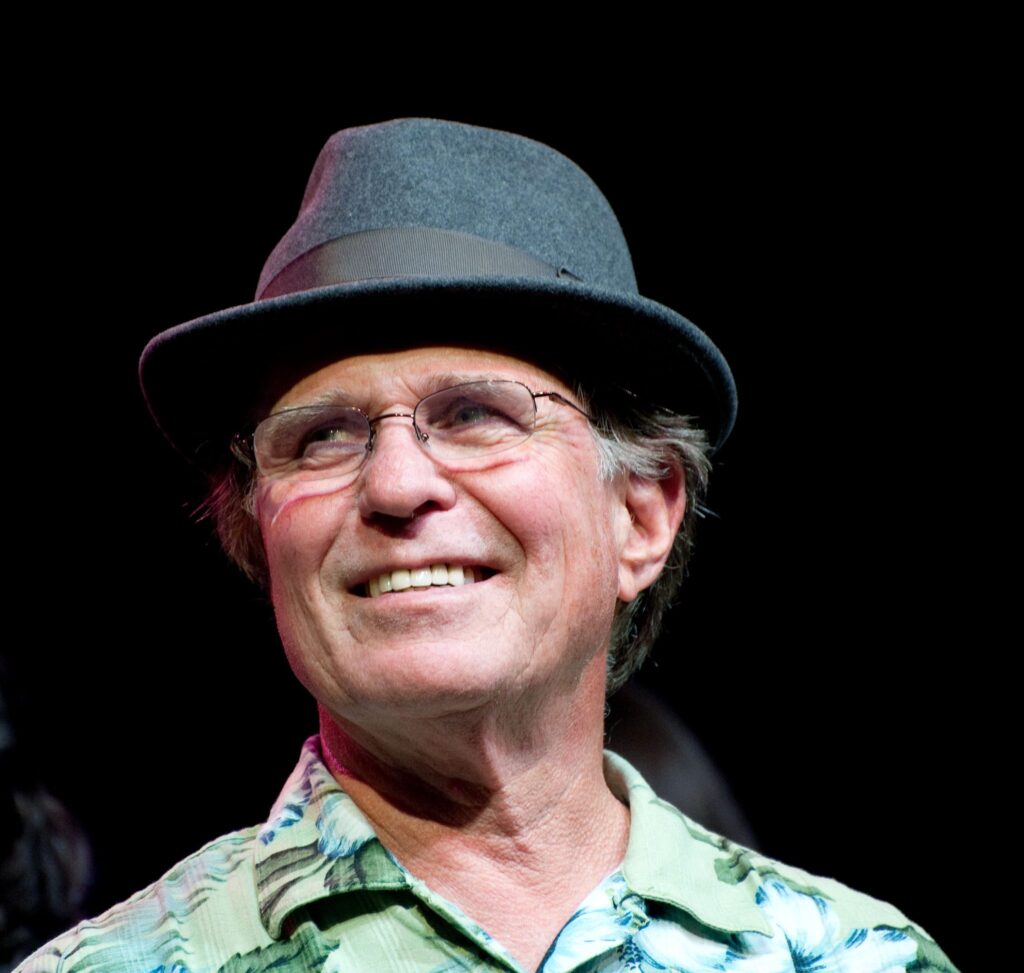
A Historic Moment at Woodstock
Country Joe McDonald became part of music history in 1969 when Country Joe and the Fish performed at the Woodstock music festival.
The event brought together hundreds of thousands of attendees and became one of the most iconic gatherings in the history of popular music.
During his performance, McDonald led the audience in a call-and-response chant that became known as the “Fish Cheer.”
The moment energized the massive crowd and reflected the spirit of the era’s youth culture.
Footage of the performance later appeared in the documentary film Woodstock: 3 Days of Peace & Music, helping introduce the moment to audiences around the world.
Continuing a Career in Music
Following the height of the 1960s counterculture movement, McDonald continued to write and perform music for many years.
Throughout his career, he released numerous albums and composed hundreds of songs. His work explored a wide range of themes, from personal reflection to broader social topics.
McDonald also remained active as a performer, appearing at concerts and festivals where audiences could experience his music live.
Many listeners appreciated the way he combined storytelling, humor, and thoughtful commentary within his songs.
Commitment to Social Causes
In addition to his musical work, McDonald remained engaged with issues he cared about throughout his life.
He supported causes related to environmental protection, veterans’ issues, and social awareness.
These interests were often reflected in his songwriting, where he continued to explore topics connected to public discussion and community values.
For McDonald, music and civic engagement were closely connected. His career demonstrated how artists can participate in cultural conversations through their creative work.
Family and Personal Life
At the time of his passing, Country Joe McDonald is survived by his wife, Kathy McDonald, and their family.
He is also survived by five children—Seven, Devin, Ryan McDonald, Tara Taylor McDonald, and Emily McDonald Primus—as well as four grandchildren.
In addition, his brother Billy remains among those remembering his life and career.
For his family, McDonald was not only a musician but also a husband, father, grandfather, and brother whose life extended beyond the stage and recording studio.
Remembering an Influential Artist
Country Joe McDonald’s music became closely associated with the cultural and political conversations of the 1960s.
His songs captured the concerns and emotions of a generation experiencing rapid social change.
For many listeners, his work represents an important chapter in the history of folk and rock music.
The themes explored in his songwriting continue to resonate with audiences who study the music of that period.
A Lasting Musical Legacy
Over the course of several decades, Country Joe McDonald built a body of work that reflected both artistic creativity and social awareness.
From early performances in the vibrant Berkeley music scene to appearances at major festivals, his career spanned an era of significant cultural transformation.
Listeners who return to his recordings today can still hear the distinctive voice and perspective that defined his music.
His contributions remain part of the broader story of American folk and rock music, and his songs continue to be remembered by audiences who value music that speaks to its time.