
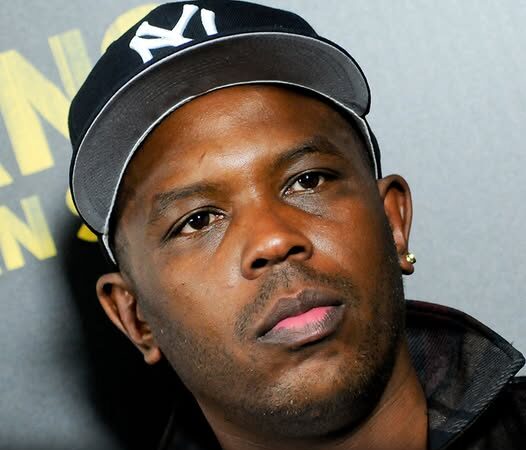
Wu-Tang Clan Co-Founder Oliver “Power” Grant Dies at 52
The music community is reflecting on the legacy of Oliver “Power” Grant following news of his passing at the age of 52.
The Staten Island-based hip-hop collective Wu-Tang Clan shared confirmation of his death on social media on Tuesday, February 24. Grant, a founding member of the group, had long been recognized as a driving force behind its rise.
He died on Monday, February 23. His cause of death has not been made public.
Tributes From Wu-Tang Clan Members
In the hours after the announcement, several members of Wu-Tang Clan honored Grant’s memory with heartfelt messages.
“Paradise my Brother safe Travels!!” Grammy-winning rapper Method Man, also a founding member of the group, wrote on Instagram.
GZA shared a photo of the two together and expressed the depth of the loss. “We couldn’t have done it without him. Wu wouldn’t have come to fruition without Power. His passing is a profound loss to us all. My deepest condolences to the fam.”
The tributes underscored the influence Grant had behind the scenes and the respect he commanded within the group.
Early Life and Roots in Staten Island
Oliver Grant was born on November 3, 1973, in Jamaica. He later grew up in the Park Hill Projects in Staten Island, New York City.
The neighborhood would eventually become synonymous with Wu-Tang Clan’s origins. Grant’s childhood friends in Park Hill would go on to form the iconic hip-hop collective.
While many of those friends became performers and public faces of the group, Grant’s role took a different path. He did not serve as a recording artist within Wu-Tang Clan, yet his contributions were foundational to its success.
From the earliest days, he played a strategic and organizational role, helping shape the group’s direction and long-term vision.
A Guiding Force Behind the Brand
Grant helped guide the nine founding members as they built their identity and expanded their reach.
He was instrumental in transforming Wu-Tang Clan from a local movement into a nationally recognized name. His efforts extended beyond music production and performance.
Wu-Tang Clan’s influence evolved into something broader than chart success. The collective became a cultural force, shaping fashion, language, and entrepreneurial ambition within hip-hop.
In a previously shared clip, Grant reflected on the mindset that drove their early success.
“Either you’re inspired, or you’re desperate. Everybody was hustling. Our main money maker was the music, then the touring, then the brand.”
The quote captured the relentless determination that defined the group’s rise during its formative years.
Expanding Into Fashion With Wu Wear
Beyond his work with the music collective, Grant built a significant presence in business.
In 1995, he founded Wu Wear, a streetwear clothing brand that became closely tied to the Wu-Tang identity. The brand quickly gained traction and expanded into major markets.
Stores opened in cities including Los Angeles and Atlanta, signaling the brand’s rapid growth and national appeal.
Wu Wear was eventually carried by Macy’s, bringing the clothing line into department stores and expanding its reach to customers across the country.
The move demonstrated Grant’s ability to recognize opportunities beyond music and build lasting commercial ventures from the group’s cultural momentum.
Building Through Trial and Error
Grant once spoke about the learning curve involved in entering the fashion industry and building businesses from the ground up.
“Wu Wear was pretty much like our entry in the fashion biz. But before I was in Wu Wear, I was making and marketing the first Wu records with RZA. Everything that we learned was hard-knock life. You figure it out as you go along and take cues from those that are actively doing things … A lot of it was trial and error. There were no models,” he said.
His words reflected an entrepreneurial spirit rooted in persistence and adaptability.
Without established blueprints to follow, Grant and his collaborators navigated unfamiliar territory by learning from experience.
That willingness to experiment and evolve became a hallmark of the Wu-Tang brand’s expansion into industries beyond music.
A Legacy Beyond the Stage
Although Grant did not perform on stage as part of Wu-Tang Clan, his impact resonated across every layer of the organization.
He helped manage early records, supported marketing efforts, and contributed to the long-term strategy that positioned Wu-Tang Clan as both a musical and commercial powerhouse.
His vision contributed to the group’s ability to maintain relevance across decades while extending its influence into fashion and broader pop culture.
For fans, his name may not have been as visible as those holding microphones, but within the collective, his role was essential.
A Meaningful Moment for the Group
The news of Grant’s passing arrives during a significant period for Wu-Tang Clan.
On Wednesday, the group earned its first Rock & Roll Hall of Fame nomination for the Class of 2026.
If inducted, Wu-Tang Clan would join other hip-hop legends such as The Notorious B.I.G. and Outkast in the Hall of Fame.
The nomination represents recognition of the group’s lasting impact on music and culture, making the timing of Grant’s death especially poignant.
As the collective looks toward potential induction, it does so while mourning one of the individuals who helped lay its foundation.
Remembering Oliver “Power” Grant
Grant’s journey from Jamaica to Staten Island and into the upper ranks of the entertainment and fashion industries reflects a story of ambition and resilience.
From shaping the early direction of Wu-Tang Clan to launching Wu Wear in 1995, he helped turn a local movement into a global brand.
His approach emphasized hustle, innovation, and belief in the collective vision shared among childhood friends.
Within the Park Hill Projects, that vision began as an idea fueled by determination.
Over time, it evolved into one of the most recognizable names in hip-hop history.
Through his leadership and business acumen, Grant ensured that Wu-Tang Clan’s influence extended beyond studio recordings and live performances.
He played a central role in transforming artistic momentum into sustainable enterprise.
As tributes continue to pour in, those closest to him remember not only a business partner and collaborator, but also a friend.
“We couldn’t have done it without him. Wu wouldn’t have come to fruition without Power. His passing is a profound loss to us all. My deepest condolences to the fam.”
The sentiment captures the magnitude of the loss felt within the Wu-Tang family.
At 52, Oliver “Power” Grant leaves behind a legacy woven into the fabric of hip-hop history.
Rest in peace, Oliver “Power” Grant. Our thoughts are with his loved ones.