
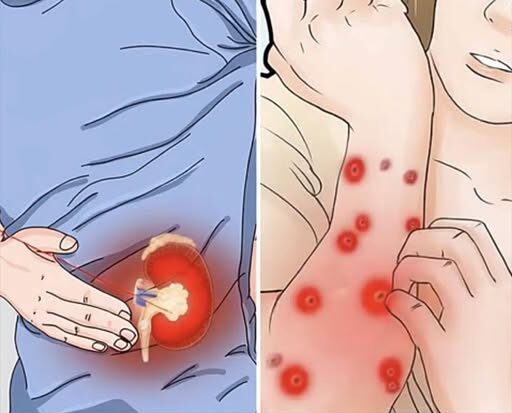
8 Early Kidney Warning Signs That Should Never Be Ignored
Why Kidney Problems Can Be Easy to Miss
Most people rarely think about their kidneys unless a problem has already appeared. These two fist-sized organs sit below the rib cage and work quietly every day, filtering around 200 liters of blood while removing waste, balancing fluids, supporting blood pressure control, and helping the body produce red blood cells.
Their work is essential, but kidney trouble often develops silently. Chronic kidney disease can progress for years without obvious symptoms, which makes it especially dangerous. Unlike a sudden injury or a high fever, declining kidney function usually does not create one clear warning sign.
Instead, the body may send subtle signals that are easy to blame on everyday life. Fatigue may be dismissed as poor sleep. Swollen ankles may be blamed on standing too long. Changes in urination may be ignored until they become more frequent or uncomfortable.
Chronic kidney disease affects more than 1 in 7 adults in the United States, representing an estimated 35.5 million Americans. About nine in 10 adults with the condition are unaware they have it. In Stage 1 chronic kidney disease, many people do not know anything is wrong because symptoms are usually absent.
The global burden has also grown sharply. In 2023, an estimated 788 million people aged 20 and older were living with chronic kidney disease, compared with 378 million in 1990. Because the condition can remain hidden, recognizing possible early warning signs is an important step toward timely medical evaluation.
1. Changes in Urination
Urine can provide important clues about kidney health. Healthy urine is usually pale yellow and clear, although color can change depending on hydration, food, and medications. Persistent changes, however, should not be ignored.
Foamy urine may be one possible warning sign. If the urine looks unusually bubbly or resembles scrambled egg whites, it may suggest that protein is leaking into the urine. This condition is called proteinuria.
Healthy kidneys are designed to keep protein in the bloodstream while filtering waste out of the body. When protein begins escaping into the urine, it can mean the kidney’s filtering system is under stress or not functioning properly.
Another change to watch for is waking up repeatedly at night to urinate. This is known as nocturia and can sometimes be linked to early kidney issues. A person may also notice urinating more often than usual, producing less urine, or seeing urine that appears darker than normal.
Blood in the urine is another sign that needs attention. It may appear reddish, pink, or brown. Although urinary tract infections, kidney stones, and other conditions can also cause blood in the urine, it is still something that should be discussed with a medical professional.
Any ongoing change in urine color, smell, frequency, or appearance deserves attention, especially if it lasts more than a few days or appears alongside other symptoms.
2. Persistent Fatigue and Weakness
Feeling tired after a long day is normal. Feeling exhausted all the time despite getting enough rest is different. Persistent fatigue can be one of the signs that kidney function is declining.
The kidneys help produce a hormone called erythropoietin, or EPO. This hormone signals the body to make red blood cells. When kidney function drops, the body may produce less EPO, which can lead to anemia.
Anemia means the blood carries less oxygen through the body. As a result, everyday activities can begin to feel unusually difficult. Walking up stairs, preparing a meal, or completing basic tasks may feel much harder than they should.
Kidney-related fatigue can also be worsened by toxin buildup. When the kidneys are not filtering properly, waste products may remain in the bloodstream instead of leaving the body through urine. This can affect energy, concentration, and sleep quality.
The result can be a cycle of tiredness that does not improve with coffee, naps, or more sleep. Fatigue alone does not prove kidney disease, but fatigue that feels out of proportion to a person’s routine is worth discussing with a doctor.
3. Swelling in the Feet, Ankles, or Face
Swelling is another possible sign that the kidneys are having trouble regulating fluid. Many people first notice this as tight shoes, puffy ankles, swollen fingers, or facial puffiness in the morning.
The kidneys help remove extra sodium and fluid from the body. When kidney function decreases, sodium can build up. Water follows sodium, causing fluid to collect in the tissues. This swelling is called edema.
Swelling in the feet and ankles is common when excess fluid is not being cleared properly. The face, especially the area around the eyes, can also appear puffy, particularly after waking up.
However, swelling does not always mean kidney disease. Heart disease, liver disease, circulation problems, and chronic vein conditions can also cause fluid buildup. That is why unexplained or recurring swelling should not be self-diagnosed.
What matters most is the pattern. Swelling that keeps returning, appears without a clear reason, or happens with fatigue, urine changes, or high blood pressure should be brought to a doctor’s attention.
4. Dry, Itchy Skin
Dry or itchy skin is often blamed on weather, aging, allergies, or skin conditions. In some cases, however, widespread and persistent itching may be connected to kidney health.
Healthy kidneys do more than remove waste. They also help maintain the right balance of minerals and nutrients in the blood. They support red blood cell production, help remove extra fluid, and play a role in keeping bones strong.
When kidney disease becomes more advanced, mineral imbalance can develop. This can contribute to dry, itchy skin, especially when the itching does not improve with basic skin care or moisturizer.
Changes in skin color, persistent dryness, or unexplained itching should be mentioned to a doctor, particularly when they appear with other possible kidney-related symptoms. The skin may not seem connected to the kidneys at first, but it can reflect changes happening inside the body.
Itching alone can have many causes. Still, widespread itching with no obvious explanation should not simply be endured, especially if it continues or becomes disruptive.
5. High Blood Pressure That Is Difficult to Control
High blood pressure is common, especially as people get older. But it is also closely connected to kidney health. The relationship works in both directions.
High blood pressure can damage the small blood vessels in the kidneys. At the same time, damaged kidneys may struggle to regulate blood pressure properly. This can create a harmful cycle where each condition makes the other worse.
Common causes of chronic kidney disease include diabetes, high blood pressure, autoimmune disease, and polycystic kidney disease. Because of this, blood pressure that remains high despite medication or lifestyle changes should prompt a closer look at kidney function.
Managing blood pressure is not only about lowering the number shown on the cuff. It is also about understanding why the body may be having trouble maintaining balance.
For people with kidney risk factors, early blood pressure control can make a major difference. Addressing high blood pressure before kidney damage becomes severe is one of the most important ways to protect long-term kidney function.
6. Trouble Sleeping
Poor sleep is common, but it should not always be dismissed as stress or a busy schedule. Sleep problems can become more meaningful when they occur alongside other warning signs.
When the kidneys do not filter waste efficiently, toxins can remain in the bloodstream. This buildup may contribute to difficulty sleeping or a general feeling of restlessness at night.
People with kidney disease may also experience frequent nighttime urination, muscle cramps, or restless legs. These problems can interrupt sleep repeatedly and leave a person feeling drained the next day.
There is also a connection between obesity and chronic kidney disease. Sleep apnea is more common among people with kidney disease than in the general population, which can further worsen fatigue and overall health.
Sleep issues by themselves do not necessarily indicate kidney disease. But waking often to urinate, experiencing nighttime cramps, or having unexplained restlessness should be mentioned during a medical visit, especially if other symptoms are present.
7. Nausea, Loss of Appetite, or a Metallic Taste
Nausea, appetite changes, and an unusual taste in the mouth may appear as kidney disease progresses. These symptoms are not usually the first signs, but they are important to recognize.
When the kidneys are not removing waste properly, waste products can build up in the blood. This condition is known as uremia. It can cause nausea, vomiting, reduced appetite, and a persistent metallic taste.
Some people may feel especially nauseated in the morning or after meals. Others may notice that foods they once enjoyed now taste strange, unpleasant, or metallic.
Loss of appetite can create another problem. Eating less may worsen weakness, fatigue, and nutritional imbalance, making a person feel even more unwell.
These symptoms can be caused by many different conditions, so they should not be assumed to mean kidney disease. However, when they occur together with changes in urination, swelling, fatigue, or high blood pressure, they become important information for a doctor to evaluate.
8. Muscle Cramps and Twitching
Occasional muscle cramps are common, especially after exercise, dehydration, or long periods of standing. Frequent or unexplained cramping can sometimes point to problems with mineral and electrolyte balance.
The kidneys help regulate important minerals such as calcium, potassium, and phosphorus. When kidney function declines, these levels can become imbalanced.
Electrolyte problems may cause muscle cramps, twitching, or spasms. Leg cramps at night can be especially uncomfortable and may interrupt sleep.
Not every cramp is a kidney warning sign. Dehydration, certain medications, physical strain, and other health problems can also cause cramping. But cramps that happen often, come without a clear cause, or appear with other symptoms should be reported.
A basic blood test can measure electrolyte levels and provide useful information. It may help identify whether the cramps are related to kidney function or another issue.
How to Protect Kidney Health Naturally
Recognizing warning signs is important, but prevention matters too. Many lifestyle habits can support kidney health, especially for people with risk factors such as diabetes, high blood pressure, or a family history of kidney disease.
Diet is one of the most practical places to start. Adults are generally advised to limit sodium intake to no more than 2,300 milligrams per day. Many people with chronic kidney disease may need even lower sodium limits.
Processed foods, fast food, packaged snacks, and salty convenience meals are often major sources of sodium. Reducing these foods can help lower sodium intake without requiring complicated meal plans.
A diet centered on fruits, vegetables, and plant-based foods may help support healthier blood pressure and may also protect against worsening kidney disease in people with high blood pressure. After five years, people following a fruit-and-vegetable-focused approach had less kidney damage, better blood pressure readings, lower LDL cholesterol, and healthier body weight.
Physical activity is another important tool. People with chronic kidney disease are advised to aim for at least 150 minutes of moderate-intensity physical activity each week, as long as it fits their cardiovascular and physical tolerance.
Brisk walking, cycling, swimming, and similar activities can all count. The goal does not need to be extreme exercise. Consistency is more important than intensity.
Blood sugar and blood pressure control are also central to kidney protection. For people with diabetes, keeping blood sugar in a healthy range can help slow kidney damage. For many people with chronic kidney disease who are not on dialysis, a blood pressure goal below 120/80 mm Hg may be used.
Stress management can also play a role. Long-term stress may contribute to high blood pressure and poor glucose control, both of which can increase kidney risk. Mindfulness, meditation, regular movement, and healthy routines may support better overall management.
Another important step is being careful with frequent painkiller use. People at high risk for kidney disease should talk to a doctor before relying on pain relievers such as nonsteroidal anti-inflammatory drugs or acetaminophen. Overuse may reduce blood flow or harm kidney tissue, especially in older adults or people with existing risk factors.
When to Ask for Kidney Testing
Chronic kidney disease often develops quietly. By the time symptoms are obvious, meaningful damage may already have occurred. The earlier kidney problems are identified, the more opportunities there may be to manage the condition and slow progression.
Two simple tests can provide important information. The first is eGFR, or estimated glomerular filtration rate. This blood test estimates how well the kidneys are clearing waste from the blood.
The second is uACR, or urine albumin-to-creatinine ratio. This urine test checks for protein leakage, which can be one of the earliest signs that the kidneys’ filtering membranes are under stress.
An eGFR below 60 and/or a uACR above 30, lasting for three months or longer, can indicate that kidney disease is present. These tests can usually be ordered through a regular doctor and do not require a specialist visit to begin evaluation.
Screening is especially important for people with diabetes, high blood pressure, or a family history of kidney disease. These groups have a higher risk of developing chronic kidney disease and may not have symptoms until the condition is more advanced.
If several of the warning signs described here sound familiar, it is worth making a medical appointment. Asking directly about kidney function can help ensure the right blood and urine tests are considered.
The Bottom Line
The kidneys perform vital work every day, often without drawing attention to themselves. That silence can be dangerous when disease is developing, because symptoms may be mild, vague, or easy to explain away.
Changes in urination, ongoing fatigue, swelling, itchy skin, difficult-to-control blood pressure, sleep problems, nausea, appetite loss, metallic taste, muscle cramps, and twitching can all provide clues. None of these signs proves kidney disease on its own, but together they can point to the need for medical evaluation.
Chronic kidney disease is not usually fully reversible, but early stages can often be managed. Treatment, lifestyle changes, blood pressure control, blood sugar management, and regular monitoring can help protect kidney function for as long as possible.
Anyone experiencing persistent or unexplained symptoms should speak with a licensed healthcare provider. Early testing can provide clarity, and early action can make a meaningful difference.
Disclaimer
The author is not a licensed medical professional. This information is provided for general educational purposes only and should not be used as medical advice, diagnosis, or treatment.
Always consult a licensed physician or qualified healthcare provider about symptoms, medications, or medical conditions. Do not delay or avoid professional care because of information read here.