
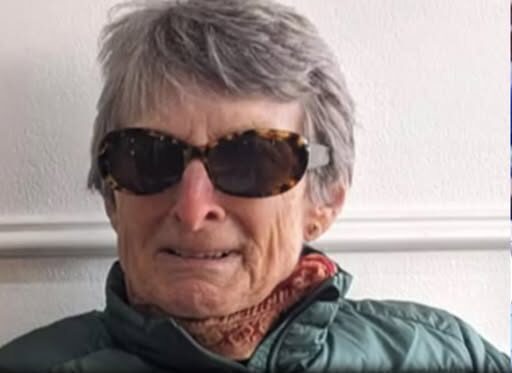
80-Year-Old Woman Found Dead on Remote Island After Cruise Ship Departed Without Her
Family Questions Cruise Operator’s Actions After Passenger Was Left Behind During Australian Island Excursion
An 80-year-old Australian woman was found dead on a remote island along the Great Barrier Reef after the cruise ship she had been traveling aboard departed without her following a passenger excursion.
Suzanne Rees, from New South Wales, had joined fellow passengers for a hiking activity on Lizard Island during a lengthy cruise around Australia. However, when the group returned to the Coral Adventurer, Rees was not among those who reboarded the vessel.
The ship subsequently departed the island, leaving the elderly passenger behind. Her disappearance prompted a search and rescue operation, but her body was discovered the following day.
The circumstances surrounding her death have raised serious questions about passenger accountability, excursion supervision, and the procedures followed before the cruise ship departed.
Although authorities are treating the death as sudden and non-suspicious, Rees’ family believes the situation involved failures in the care and supervision she should have received.
A 60-Day Cruise Began With a Tragic First Stop
Rees had been traveling aboard the Coral Adventurer, a cruise vessel operating an extended 60-day journey around Australia. The itinerary included a visit to Lizard Island, a remote destination located within the Great Barrier Reef region.
The island was the first scheduled stop of the voyage, making the tragedy an especially devastating beginning to what passengers had expected to be a memorable travel experience.
The cruise was a premium expedition-style journey, with balcony accommodation reportedly costing approximately $86,400 per person.
The Coral Adventurer measures approximately 306 feet in length and has capacity for 120 passengers and 48 crew members.
During the island visit, a group of passengers participated in a hiking excursion. Rees was among those who joined the activity, which involved walking through the island’s terrain.
However, the excursion did not unfold as expected for the 80-year-old passenger.
Information later shared by her family indicated that Rees became unwell while attempting a hill climb during particularly hot weather.
What happened after she experienced difficulty on the hike is now central to questions about the cruise operator’s responsibilities.
Woman Reportedly Became Unwell During Hill Climb
Rees’ daughter, Katherine, has described the limited information her family received about the events preceding her mother’s death.
She said the family understood that the weather had been extremely hot on the day of the excursion and that her mother had become ill while climbing a hill.
Rather than continuing with the hiking party, Rees was reportedly instructed to return downhill.
According to Katherine’s account, her mother was asked to make that return journey without an escort.
This detail has become one of the family’s principal concerns, particularly given Rees’ age and the reported physical difficulties she experienced during the excursion.
The information available does not establish precisely what happened to Rees after she separated from the hiking group. It also does not identify the exact circumstances or medical cause of her death.
Nevertheless, the reported decision to allow her to descend alone has prompted her family to question whether appropriate assistance was provided.
Katherine expressed her concerns about the sequence of events and the cruise company’s handling of the situation.
“From the little we have been told, it seems that there was a failure of care and common sense. We understand from the police that it was a very hot day, and Mum fell ill on the hill climb. She was asked to head down, unescorted.
“Then the ship left, apparently without doing a passenger count. At some stage in that sequence, or shortly after, Mum died, alone.
Her account reflects the family’s understanding of the tragedy rather than a completed official determination of responsibility.
Cruise Ship Departed Without the Missing Passenger
After the hiking excursion, passengers returned to the Coral Adventurer in preparation for the vessel’s departure from Lizard Island.
Rees, however, did not return aboard the ship.
Despite her absence, the vessel departed the island. The circumstances that allowed this to happen are among the issues being examined by authorities.
Her daughter has questioned whether an appropriate passenger count was conducted before the ship left.
That concern is particularly significant because Rees had participated in an organized excursion associated with the cruise.
The available account does not confirm what passenger-tracking procedures were in place, whether staff attempted to locate Rees before departure, or when her absence was first recognized.
Those unanswered questions form an important part of the investigation into the incident.
For Rees’ relatives, the central issue is whether her disappearance could have been identified earlier and whether additional measures might have changed the outcome.
They are seeking a clearer understanding of how an elderly passenger who had reportedly become unwell during an excursion could remain on the island after the ship departed.
Search and Rescue Operation Launched After Disappearance
Queensland Police confirmed that the Coral Adventurer raised the alarm concerning Rees’ disappearance on Saturday, October 25, 2025.
The report triggered an emergency response involving a search for the missing passenger.
A rescue helicopter was dispatched at approximately 12:45 a.m. on Sunday, October 26, as efforts continued to locate her.
Search teams were faced with the task of finding an elderly woman on a remote island after she had failed to return from an excursion.
The search involved operations on both land and sea, reflecting the uncertainty surrounding her whereabouts.
Later on October 26, authorities discovered Rees’ body on Lizard Island.
The discovery confirmed the family’s worst fears and brought the immediate search to a tragic conclusion.
However, finding Rees did not resolve the questions surrounding how she became separated from the excursion group or why the ship had departed without her.
Those circumstances remained the subject of official examination.
Authorities Investigate Why Passenger Was Not Accounted For
The Australian Maritime Safety Authority became involved in examining the circumstances surrounding the incident.
A spokesperson for the authority’s emergency hotline confirmed that investigators were looking into the procedures followed when passengers returned to the vessel.
“We are currently investigating the circumstances surrounding why the passenger may not have been accounted for during boarding,” said a spokesman for the Australian Maritime Safety Authority’s emergency hotline.
The statement identified a central issue in the case: how a passenger who had disembarked for an island excursion could remain unaccounted for when the vessel resumed its journey.
The investigation is particularly important because the available information leaves several stages of the timeline unclear.
It has not been established exactly when Rees became separated from the hiking party, when she was last seen, or what measures were taken to confirm that all excursion participants had returned.
There are also unanswered questions about the time between the ship’s departure and the moment her disappearance was reported.
Determining that sequence may help authorities understand whether established procedures were followed and whether additional action should have been taken.
The investigation had not reached a publicly established conclusion in the information available about the incident.
Daughter Says Family Is Shocked and Saddened
For Katherine, the loss of her mother has been accompanied by distress over the circumstances in which she died.
She described herself as shocked and saddened that Rees had been left behind on the island.
The family is particularly troubled by the possibility that the elderly passenger was alone after becoming unwell during the hike.
Katherine has also raised concerns about whether the cruise operator fulfilled its responsibility to protect passengers taking part in organized activities.
Her comments make clear that the family wants more than a basic explanation of when Rees disappeared and when her body was found.
They want to understand the decisions made during the excursion, the arrangements for passengers who could not complete the hike, and the checks carried out before departure.
Those questions are connected to the broader issue of whether reasonable precautions were taken under the circumstances.
Katherine has expressed hope that the formal investigation will clarify what happened and whether different actions might have prevented her mother’s death.
“I hope that the coronial inquiry will find out what the company should have done that might have saved Mum’s life.”
Her statement highlights the family’s desire for accountability while acknowledging that the precise circumstances have yet to be determined.
Cruise Company Responds to Passenger’s Death
Coral Expeditions, the company operating the Coral Adventurer, publicly acknowledged the death and expressed condolences to Rees’ family.
Chief executive Mark Fifield addressed the incident in a statement issued after the discovery of her body.
He acknowledged the “tragic death of a passenger on the Coral Adventurer during an excursion to Lizard Island”.
Fifield confirmed that emergency search efforts had been initiated following the passenger’s disappearance.
“A search and rescue operation was launched on land and sea,” he said. “Following the operation, Coral Expeditions was notified by Queensland police that the woman had been found deceased on Lizard Island.
The company also recognized that the circumstances surrounding the tragedy were still being investigated.
“While investigations into the incident are continuing, we are deeply sorry that this has occurred and are offering our full support to the woman’s family.”
The statement conveyed the operator’s regret and its intention to support the family during the aftermath.
It did not provide a detailed explanation of the passenger-accounting procedures followed before the vessel departed or establish why Rees was not aboard.
Those matters remained unresolved in the available information.
Death Treated as Sudden and Non-Suspicious
Authorities have classified Rees’ death as sudden and non-suspicious.
That description does not, by itself, explain the medical cause of death or determine whether any failures occurred in the supervision of the excursion.
The distinction is important because the investigation into how Rees was left behind concerns a separate set of questions from whether her death involved suspicious circumstances.
Her family has not suggested that the available information establishes a deliberate act against her. Instead, their concerns focus on the possibility of inadequate care and passenger safety procedures.
The precise timing of her death also remains unclear from the information made public.
Katherine’s account indicates that her mother may have died during the period surrounding the ship’s departure or shortly afterward, but that sequence has not been conclusively established.
Without a completed investigation, it would be premature to determine whether earlier intervention could have saved her life.
Nevertheless, the circumstances have left the family seeking answers about decisions made during the excursion and after Rees failed to return.
Questions Remain About Excursion Safety and Passenger Checks
The incident has drawn attention to the responsibilities involved when cruise passengers leave a vessel for activities in remote destinations.
Unlike ordinary port visits in populated areas, excursions on isolated islands may involve limited immediate access to outside assistance.
In Rees’ case, the organized hike, reported hot conditions, and her difficulty completing the climb all form part of the sequence being examined.
One unresolved question concerns what procedures applied when a participant became unable to continue with the group.
Another involves how the cruise operator tracked passengers returning from the island and whether the vessel’s departure process identified missing individuals.
The available information does not establish whether a passenger count was omitted, conducted incorrectly, or affected by another procedural issue.
Those possibilities require evidence from the official investigation rather than assumptions based solely on the outcome.
Similarly, the family’s concern about Rees being instructed to descend unescorted does not establish what assistance was available or what decisions were made by individual staff members.
Clarifying these details will be essential to understanding how the incident developed.
A Family Awaits Answers After a Devastating Loss
What began as an extended cruise around Australia ended in tragedy for Suzanne Rees and her family during the voyage’s first island stop.
The 80-year-old had joined other passengers for a hiking excursion on Lizard Island, but she did not return to the Coral Adventurer before its departure.
After the alarm was raised on October 25, search teams began looking for her, and her body was found the following day.
The cruise company has apologized and offered support to the family, while authorities continue examining how the passenger was left unaccounted for.
For Katherine, the unanswered questions remain deeply personal. She wants to know why her mother was reportedly sent downhill alone after becoming unwell, how the ship departed without her, and whether earlier action could have made a difference.
The coronial inquiry is expected to be an important avenue for examining those concerns, although its conclusions cannot be anticipated.
Until the circumstances are fully established, the case remains both a heartbreaking family loss and an unresolved investigation into the events surrounding a passenger’s disappearance during a remote island excursion.
For Rees’ loved ones, the central hope is that a thorough examination will provide a clearer account of her final hours and the decisions that preceded her death.