
What Your Feet May Reveal About Your Overall Health
Common Foot Symptoms That Should Not Be Ignored
Your feet can sometimes offer important clues about your general health. Changes such as burning, tingling, numbness, swelling, coldness, pain, slow-healing sores, or unusual skin color may be connected to issues affecting the nerves, blood circulation, metabolism, or other body systems.
In many cases, foot symptoms are caused by temporary or minor factors. Sitting in one position for too long, standing for many hours, wearing tight shoes, mild dehydration, or overuse can all affect how the feet feel. However, symptoms that continue, become worse, or interfere with daily activity should not be ignored.
Persistent foot problems may sometimes point to an underlying medical condition that needs attention. A healthcare professional can evaluate the symptoms, identify possible causes, and recommend appropriate treatment when necessary.
Burning Sensation in the Feet
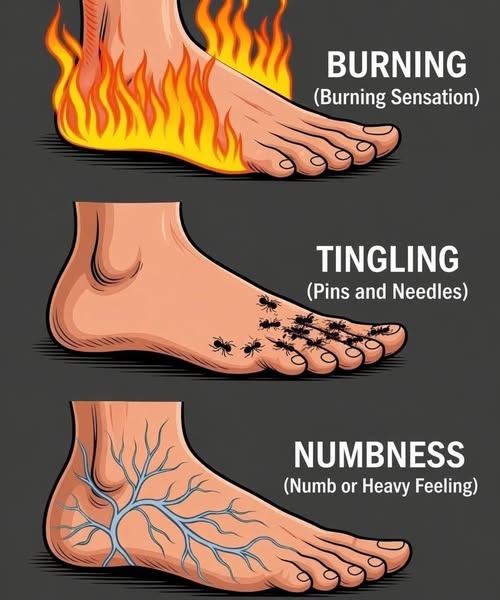
A burning feeling in the feet can be uncomfortable and concerning, especially when it occurs often or becomes severe. This sensation may feel like heat, stinging, prickling, or irritation beneath the skin.
One possible cause of burning feet is peripheral neuropathy, which occurs when the peripheral nerves are damaged. These nerves carry signals between the brain, spinal cord, and the rest of the body, including the feet.
Diabetes is one condition that may contribute to nerve damage in the feet. When nerve function is affected, a person may experience burning, tingling, numbness, or pain.
Vitamin B12 deficiency may also be linked to burning sensations. The body needs vitamins and minerals to support healthy nerve function, and a lack of important nutrients can sometimes affect the feet.
Alcohol-related nerve damage may also cause burning or other abnormal sensations. Certain medications can contribute to similar symptoms as well. When burning is frequent, intense, or does not improve, medical advice is important.
Tingling or Pins and Needles
Tingling in the feet is commonly described as a “pins and needles” feeling. It may happen after sitting with pressure on the legs or feet, and in that situation it often goes away once normal movement returns.
Occasional tingling after remaining in one position is usually not unusual. However, tingling that keeps returning or stays for long periods may need further evaluation.
Persistent tingling may be associated with peripheral neuropathy. It may also occur in people with diabetes or in cases where a nerve is compressed.
Vitamin deficiencies can also affect nerve health and may contribute to tingling sensations. Poor circulation may be another possible factor, especially when the feet also feel cold, painful, or weak.
Because tingling can have several possible causes, the pattern of symptoms matters. A healthcare provider can help determine whether the issue is related to nerves, blood flow, nutrition, or another concern.
Numbness and Loss of Feeling
Numbness in the feet means there is a partial or complete loss of sensation. A person may feel reduced sensitivity to touch, pressure, temperature, or pain.
Persistent numbness should always be evaluated because it may increase the risk of unnoticed injuries. When a person cannot fully feel the feet, cuts, blisters, or pressure sores may develop without being noticed right away.
Diabetes can be one possible cause of numbness because it may affect the nerves over time. Nerve injury may also lead to loss of feeling in the feet.
Poor blood circulation may contribute to numbness as well. In some cases, problems involving the spine, such as herniated discs, may affect nerves that travel into the legs and feet.
Multiple sclerosis is a less common possible cause of numbness. Because numbness can be connected to different conditions, ongoing loss of sensation should be discussed with a healthcare professional.
Swollen Feet
Swelling in the feet can occur for many reasons. Sometimes it is related to everyday factors, such as standing for a long time, eating too much salt, or pregnancy.
In other cases, swelling may be connected to health conditions involving the heart, kidneys, liver, veins, or circulation. Venous insufficiency may cause fluid to collect in the lower legs and feet when blood does not move efficiently back toward the heart.
Swelling that appears gradually after long periods of standing may be less urgent, but it still deserves attention if it becomes frequent or uncomfortable. Persistent swelling can affect mobility, skin health, and overall comfort.
Sudden or severe swelling should be taken seriously. Urgent care is especially important if swelling occurs along with chest pain or shortness of breath.
Severe swelling in one leg is also a warning sign that should be evaluated promptly. When swelling is unusual, painful, or linked with other symptoms, medical care can help identify the cause.
Cold Feet
Some people naturally feel cold more easily than others, but feet that are constantly cold may sometimes point to circulation or metabolic issues. Cold feet may occur when blood flow to the lower limbs is reduced.
Poor circulation is one possible reason for feet that often feel cold. Peripheral artery disease may also be associated with coldness, especially when walking causes pain that improves with rest.
Diabetes may contribute to changes in circulation and nerve function, both of which can affect how the feet feel. Thyroid disorders may also be connected to cold feet.
Smoking can affect blood vessels and may contribute to circulation problems. When cold feet are persistent, painful, or accompanied by color changes, a medical evaluation is important.
Foot Sores That Do Not Heal
A sore, cut, blister, or wound on the foot that does not heal properly may be a warning sign. Slow-healing wounds can occur when blood flow is poor, when infection is present, or when diabetes affects the body’s ability to repair tissue.
People with diabetes should inspect their feet daily. This habit can help identify small cuts, blisters, redness, or other changes before they become more serious.
Slow-healing wounds should not be ignored. A sore that remains open, becomes painful, produces drainage, or shows signs of infection needs medical attention.
Foot wounds are especially important because the feet carry body weight and are exposed to pressure from walking and shoes. Early care can help prevent complications.
Changes in Skin Color
Skin color changes in the feet may provide clues about oxygen levels, blood flow, inflammation, or infection. Any sudden change in color deserves prompt medical attention, particularly when it is accompanied by pain or coldness.
Blue or purple skin may suggest poor oxygen supply or reduced circulation. Very pale skin may indicate reduced blood flow to the area.
Red, warm skin may signal inflammation or infection. This is especially concerning if the area is painful, swollen, spreading, or linked with fever.
Color changes can appear in the toes, soles, heels, or the entire foot. Since circulation and infection concerns can become serious, sudden or unusual changes should be evaluated quickly.
Muscle Cramps in the Feet or Calves
Foot and calf cramps are common, but frequent cramps can be uncomfortable and disruptive. They may happen suddenly and cause tight, painful muscle contractions.
Dehydration is one possible cause of cramps. Low levels of potassium, magnesium, or calcium may also contribute to repeated cramping.
Overuse can lead to cramps, especially after long periods of walking, exercise, standing, or physical strain. Poor circulation may also play a role in some cases.
Certain medications can contribute to muscle cramps as well. Staying hydrated and eating a balanced diet rich in vitamins and minerals may help reduce cramps for some people.
If cramps are severe, frequent, or linked with walking pain, weakness, swelling, or color changes, a healthcare provider can help determine whether another condition is involved.
Pain While Walking
Pain in the feet or calves during walking can have several possible causes. One important pattern is pain that appears during activity and improves with rest.
This type of pain may be associated with peripheral artery disease, a condition involving reduced blood flow. Poor circulation can cause discomfort when the muscles need more oxygen during movement.
Arthritis may also cause foot pain while walking. Tendon problems can lead to pain, stiffness, swelling, or difficulty moving comfortably.
Nerve disorders may also contribute to walking pain. Because the cause may involve joints, tendons, nerves, or circulation, proper evaluation can help guide treatment.
Tips for Maintaining Healthy Feet
Healthy daily habits can help protect the feet and reduce the risk of problems. Wearing properly fitting shoes is important because tight or poorly supportive footwear can cause pressure, blisters, pain, and irritation.
Regular physical activity can support circulation and overall health. Movement helps the body maintain strength, balance, and blood flow.
People with diabetes should manage blood sugar carefully and inspect their feet regularly. Daily checks can help identify cuts, blisters, sores, swelling, or color changes early.
A balanced diet rich in vitamins and minerals may support nerve and muscle health. Staying hydrated may also help reduce cramps linked to dehydration.
Avoiding smoking is another important step because smoking can affect circulation. Keeping the feet clean and moisturized may help protect the skin, especially when dryness or cracking is present.
When to Seek Medical Care
Medical care is important when foot symptoms are persistent, worsening, sudden, or severe. Burning, tingling, or numbness that does not go away should be discussed with a healthcare professional.
Foot ulcers or wounds that will not heal should also be evaluated. This is especially important for people with diabetes or circulation concerns.
Severe swelling in one leg requires prompt medical attention. Sudden loss of sensation should also be treated as a serious symptom.
Foot pain with fever, redness, warmth, or swelling may suggest infection or inflammation. Changes in skin color accompanied by pain or coldness should also be checked quickly.
Symptoms do not automatically mean a person has a serious disease. Still, persistent or worsening problems should be evaluated so the underlying cause can be identified and treated appropriately.
Final Thoughts
Burning, tingling, and numbness in the feet can be symptoms of peripheral neuropathy, a condition caused by damage to the peripheral nerves. Diabetes is one of the most common causes, but it is not the only possible explanation.
Vitamin deficiencies, alcohol misuse, certain medications, infections, thyroid disease, and nerve compression can also contribute to these symptoms. Circulation problems may also affect the feet and cause pain, coldness, swelling, or color changes.
The feet are easy to overlook, but changes in how they feel or appear can sometimes reflect broader health concerns. Paying attention to symptoms, checking the feet regularly, and seeking medical care when warning signs appear can help protect both foot health and overall well-being.
Not every burning, tingling, numb, swollen, or painful foot symptom is dangerous. However, when symptoms persist, worsen, or begin to affect daily activities, professional evaluation is the safest way to understand what is happening and receive proper care.