
9 Nighttime Warning Signs of Diabetes You Should Not Ignore
Why Night Symptoms Can Matter
Diabetes can develop gradually, and some signs may appear during the night before they become obvious during the day.
Frequent urination, unusual thirst, sweating, fatigue, dry mouth, and sleep disruption may all be connected to changes in blood sugar levels.
Recognizing these symptoms early can help a person seek medical advice before the condition progresses.
Frequent Urination at Night
One of the early signs linked to diabetes is waking up several times during the night to urinate.
When blood sugar rises, the kidneys work harder to remove extra glucose from the bloodstream.
If the kidneys cannot absorb all the excess sugar, it passes into the urine and pulls fluid from the body, leading to more frequent urination.
Night Sweats
Waking up drenched in sweat may also be connected to diabetes, especially when blood sugar drops during sleep.
This nighttime drop is known as nocturnal hypoglycemia.
People who experience repeated night sweats should not ignore the symptom, especially if it happens along with trembling, hunger, confusion, or weakness.
Low Blood Sugar Symptoms
Hypoglycemia can cause more than sweating.
It may also lead to shakiness, strong hunger, blurred vision, confusion, or heart palpitations.
These symptoms can happen during the night because the body still needs steady energy while resting.
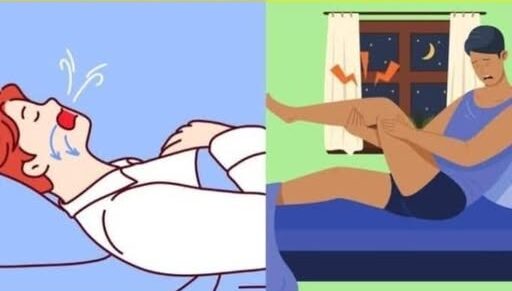
Restless Legs
Restless legs syndrome may also appear in people dealing with blood sugar problems.
This condition creates an uncomfortable urge to move the legs, often with aching, tingling, or crawling sensations.
Over time, high blood sugar can damage nerves, which may contribute to these uncomfortable signals.
Sleep Apnea
Sleep apnea causes repeated pauses in breathing during sleep.
These interruptions can leave a person tired the next day, even after spending enough hours in bed.
Obesity and insulin resistance may both contribute to the connection between sleep apnea and diabetes.
Excessive Thirst
Waking up with a dry mouth and strong thirst can be another warning sign.
When the body removes excess sugar through urine, it also loses fluids.
This fluid loss can cause dehydration, which may make a person feel unusually thirsty during the night.
Constant Fatigue
Feeling tired even after sleeping may be linked to the body’s difficulty using glucose properly.
When insulin is not working effectively, cells may not receive enough glucose for energy.
This can leave a person feeling weak, drained, and constantly exhausted.
Dry Mouth
Dry mouth, also called xerostomia, can disturb sleep and cause repeated waking.
High blood sugar may reduce saliva production, leaving the mouth dry even when a person drinks enough water.
Good hydration and oral care are important, but persistent dry mouth should be discussed with a healthcare professional.
Sleep Problems
Insomnia and other sleep disturbances can happen when blood sugar levels are unstable.
Low blood sugar may cause sweating and trembling, while high blood sugar may cause frequent urination.
Both can interrupt sleep and lead to poor rest over time.
Other Diabetes Signs to Watch For
Some warning signs may also appear during the day or on the skin.
Dark, velvety patches on the neck, armpits, or groin may be connected to prediabetes.
Unintentional weight loss, blurred vision, slow-healing wounds, itchy skin, tingling, numbness, and unusual skin bumps may also suggest blood sugar problems.
When to Seek Medical Advice
One symptom alone does not always mean diabetes.
However, repeated symptoms, especially when several appear together, should be taken seriously.
A medical check-up can help identify whether blood sugar changes are involved and what steps may be needed next.