
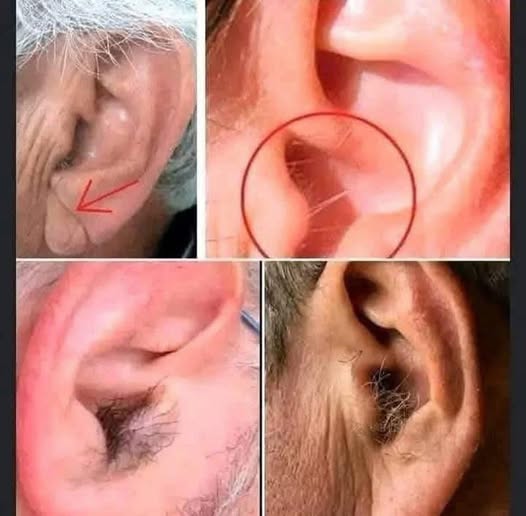
Why Hair Grows on Your Ears as You Get Older and What It May Mean
Ear Hair Growth Is More Common Than Many People Realize
Many people notice changes in their appearance as they age, including wrinkles, gray hair, and changes in skin texture. Another common change that often surprises people is increased hair growth around the ears.
While ear hair may seem unusual or even concerning, it is often a normal part of the aging process. In most cases, it is linked to natural hormonal changes and genetic factors that influence how hair follicles behave over time.
Understanding why ear hair grows can help people better recognize what is normal and when a medical evaluation may be appropriate.
The Important Role of Hormones
Hormones play a major role in determining where and how hair grows throughout the body. Among the most influential hormones are androgens, a group that includes testosterone.
Both men and women produce androgens, although men generally have higher levels. These hormones help regulate hair growth patterns during different stages of life.
As people age, hair follicles can become more sensitive to hormonal activity. This increased sensitivity may activate follicles that previously produced little or no visible hair, leading to growth in areas such as the ears, nose, and eyebrows.
For many men, this explains why ear hair becomes more noticeable later in life even when overall hormone levels may not be increasing.
Ear Hair Serves a Protective Purpose
Hair inside the ears is not simply there by chance. It performs an important protective function for the body.
The tiny hairs located within the ear canal help trap dust, dirt, and other small particles before they can travel deeper into the ear. This natural filtering system contributes to keeping the ear clean and reducing exposure to potentially irritating debris.
By helping prevent foreign particles from entering sensitive areas of the ear, these hairs may also assist in lowering the risk of certain infections and irritation.
In this way, ear hair serves as part of the body’s natural defense system.
How Aging Affects Hair Growth Patterns
Aging can cause significant changes in hair growth throughout the body. Some areas may experience thinning hair, while others may develop thicker or more noticeable growth.
Many older adults observe increased hair growth in the ears, nose, and eyebrows. This shift often occurs because certain dormant follicles become more active over time.
As follicles respond differently to hormonal signals, hair that was once fine and nearly invisible may become darker, thicker, and easier to notice.
Although these changes can be surprising, they are often considered a normal aspect of the aging process.
Genetics Can Influence Ear Hair Growth
Family history plays a major role in determining many physical characteristics, including hair growth patterns.
If parents, grandparents, or other close relatives developed noticeable ear hair as they aged, there is a greater likelihood that similar growth may occur in future generations.
Genetic traits influence the number of hair follicles a person has, how sensitive those follicles are to hormones, and the areas where hair is most likely to become prominent.
This means that ear hair growth may be largely inherited and not necessarily a sign of a health problem.
When Excessive Hair Growth May Be Unusual
Although most ear hair growth is harmless, there are rare situations in which excessive hair development may be linked to a medical condition.
One such condition is hypertrichosis. This disorder is characterized by abnormal hair growth that occurs in areas where hair is not typically expected or grows much more heavily than normal.
Hypertrichosis differs from ordinary age-related hair changes because the growth can be unusually extensive and may affect multiple parts of the body.
When hair growth appears excessive or develops in an unexpected way, medical evaluation may be necessary to determine the underlying cause.
The Possible Connection to Heart Health
Over the years, some studies have explored a possible relationship between excessive ear hair and heart disease.
Researchers have investigated whether certain patterns of ear hair growth could be associated with cardiovascular health concerns.
However, the evidence remains unclear and no definite conclusion has been established.
Because the findings are not conclusive, ear hair alone should not be viewed as a reliable indicator of heart disease.
Nevertheless, any significant physical changes that occur alongside other symptoms should be discussed with a healthcare professional.
Signs That May Warrant Medical Attention
Most cases of ear hair growth are simply part of the normal aging process and do not require treatment.
However, sudden changes deserve closer attention.
If ear hair begins growing rapidly, becomes unusually thick in a short period of time, or appears together with other unexplained symptoms, it may be wise to seek medical advice.
A healthcare provider can evaluate whether the changes are related to aging, genetics, hormonal factors, or another underlying condition.
Early evaluation can provide reassurance and help identify any concerns that may require further attention.
A Common Change That Is Usually Harmless
For most people, ear hair growth is a natural and harmless part of getting older. Hormonal influences, aging follicles, and inherited traits all contribute to this common change.
While increased ear hair may be noticeable, it is often simply another sign of the body’s evolving biology over time.
Understanding the reasons behind ear hair growth can help reduce unnecessary concern and encourage people to pay attention to changes that truly deserve medical evaluation.
In the vast majority of cases, ear hair is not a cause for alarm but rather a normal reflection of the complex processes that continue throughout the aging journey.