
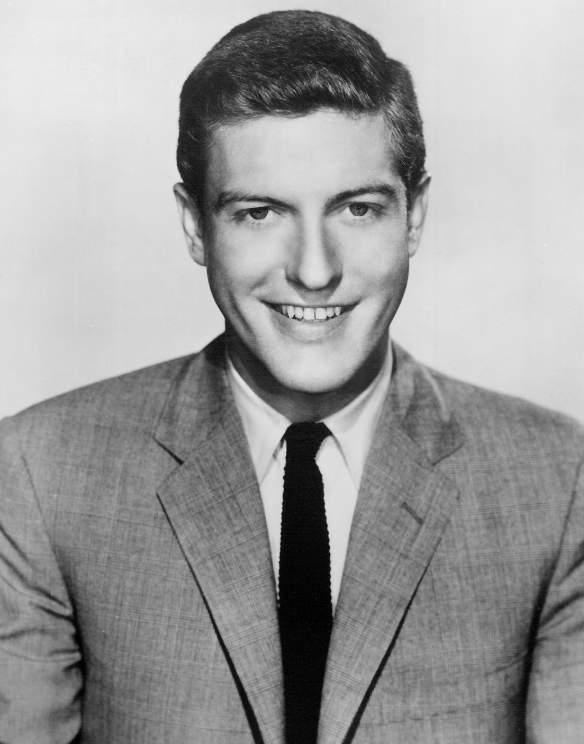
Dick Van Dyke: The Life, Career, and Enduring Legacy of an Entertainment Icon
Early Life and Family Background
Richard Wayne Van Dyke was born on December 13, 1925, in West Plains, Missouri, a small community located in the Ozark region. His parents, Hazel Victoria and Loren Wayne Van Dyke, raised him in a household that emphasized hard work, kindness, and a strong sense of community.
Shortly after his birth, the family moved to Danville, Illinois. It was there that Van Dyke spent most of his childhood and developed the interests that would later shape his remarkable career.
Growing up during the Great Depression influenced the environment of the household. Financial resources were often limited, yet the home remained filled with laughter, storytelling, and creativity.
His father worked as a salesman while his mother was employed as a stenographer. Despite the economic challenges of the era, the family maintained a lively and supportive atmosphere.

Childhood Influences and Early Interests
Dick shared his childhood with his younger brother, Jerry Van Dyke. Jerry would eventually pursue a career in entertainment as well, becoming a successful actor and comedian.
The two brothers spent much of their time entertaining family members with playful sketches and improvised comedy routines. These early performances around the living room created the first spark of interest in performing.
Radio also played a major role in shaping young Dick’s imagination. During the 1930s and early 1940s, radio served as the main source of entertainment for many American families.
Dick listened carefully to comedy programs, dramatic stories, and music broadcasts. He began imitating the voices and styles of announcers and performers he admired.
These early impressions helped him develop vocal control, comedic timing, and confidence.
Discovering a Passion for Performance
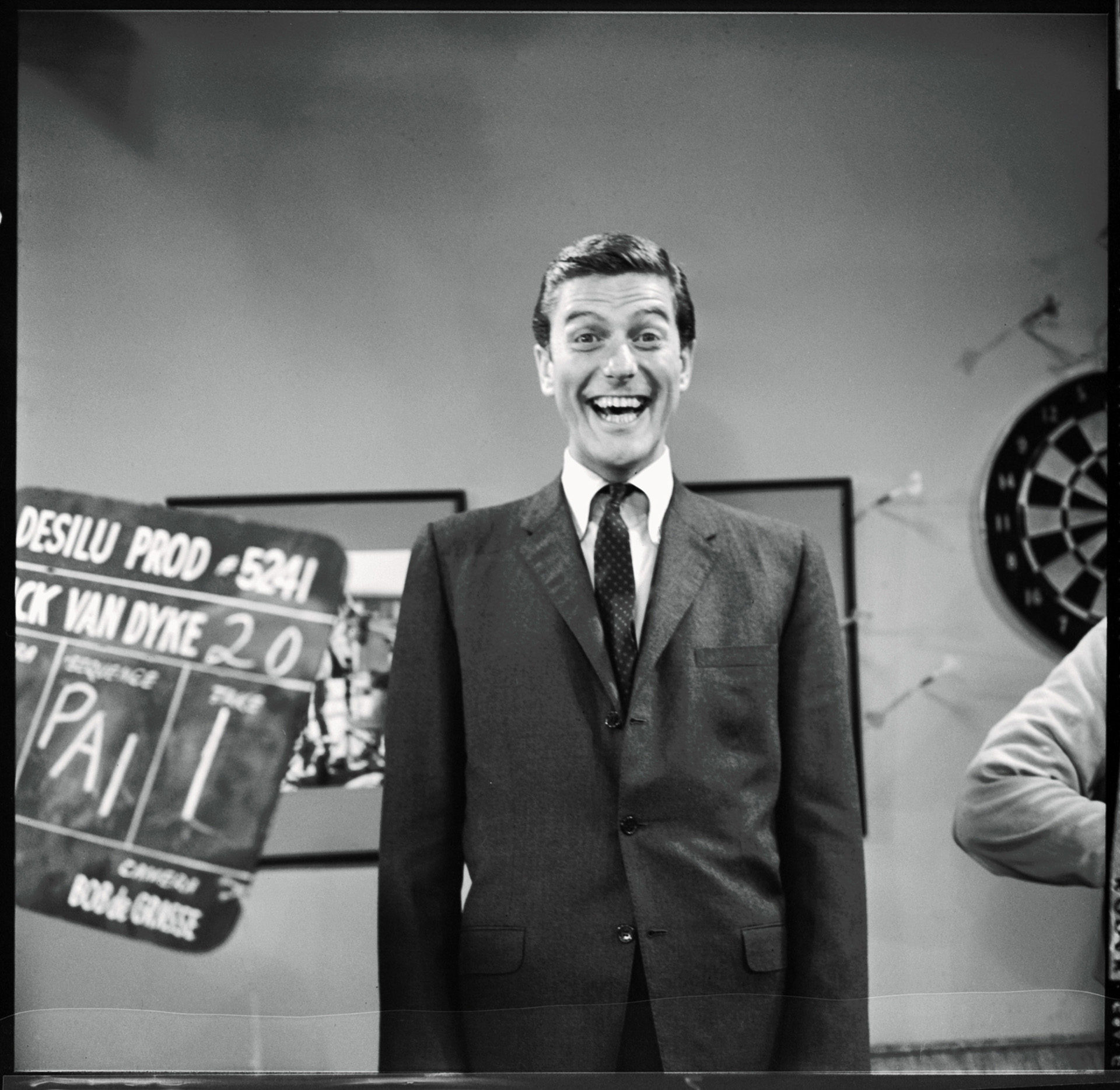
During his high school years in Danville, Van Dyke began participating in school productions. His natural ability to make audiences laugh quickly became noticeable.
Teachers and classmates recognized his expressive facial reactions, lively movements, and instinctive comedic timing.
At one point in his youth, Van Dyke seriously considered becoming a minister. He thought about pursuing theological studies and entering religious leadership.
However, his love for performance and storytelling gradually drew him toward a different path.
The excitement of entertaining audiences and bringing joy through humor proved impossible to ignore.

World War II and Military Service
The outbreak of World War II changed the course of life for many young Americans. In 1944, Van Dyke enlisted in the United States Army Air Forces.
Because of his abilities in communication and performance, he was assigned duties related to broadcasting and entertainment rather than combat.
During his service, Van Dyke performed for military audiences, helping boost morale among soldiers.
These experiences became valuable training for his future career. Performing in front of troops strengthened his confidence and sharpened his comedic instincts.
He discovered that laughter could offer comfort and connection even during difficult times.

Beginning a Career in Entertainment
After the war ended in 1945, Van Dyke returned to civilian life determined to pursue work in entertainment.
Like many aspiring performers of the time, he started wherever opportunities appeared.
His early jobs included working as a radio announcer and disc jockey at local radio stations in Illinois.
Radio provided an important platform where he could experiment with voices, characters, and humor.
Although the pay was modest, the experience helped him develop professional skills and confidence.
The Merry Mutes Comedy Act
In the late 1940s and early 1950s, Van Dyke formed a comedy partnership with Phil Erickson.
Together they created a performance act called The Merry Mutes.
Their act focused on pantomime, physical comedy, and expressive movement rather than spoken dialogue.
These performances required precise timing, exaggerated expressions, and energetic stage presence.
The duo toured nightclubs, theaters, and entertainment venues across the United States.

Early Television Appearances
As television began expanding in popularity during the 1950s, Van Dyke started appearing on variety programs and comedy segments.
Television was still developing as a medium, but it offered new opportunities for performers with strong stage skills.
Van Dyke’s energetic personality and expressive physical humor translated well to the screen.
These appearances helped him gain recognition within the entertainment industry.
Although widespread fame had not yet arrived, the foundation of his career was firmly established.
Breakthrough on Broadway
Van Dyke’s major breakthrough arrived in 1960 when he was cast in the Broadway musical Bye Bye Birdie.
In the production he played Albert Peterson, a songwriter managing the career of a fictional teenage music idol.
The musical combined humor, music, and satire inspired by the pop culture of the time.
Van Dyke’s performance received widespread praise for its energy, comedic timing, and engaging stage presence.
His work earned him the Tony Award for Best Featured Actor in a Musical.

The Dick Van Dyke Show
Following his Broadway success, Van Dyke moved into television with a leading role in The Dick Van Dyke Show.
The series premiered in 1961 and followed Rob Petrie, a comedy writer working on a fictional television variety program.
The show balanced workplace comedy with scenes of family life at home.
Mary Tyler Moore played Rob Petrie’s wife Laura, creating one of television’s most beloved on-screen partnerships.
Their warm and humorous relationship became a defining element of the series.
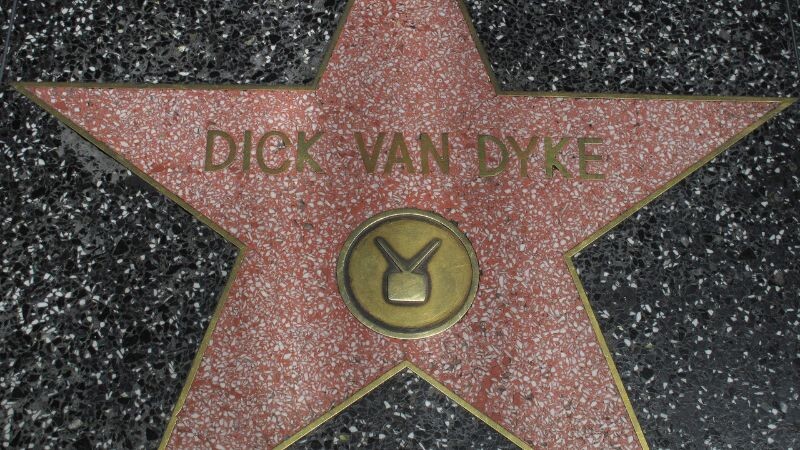
A Landmark Television Series
Although the show initially struggled with ratings, critics praised its intelligent writing and unique style.
Over time audiences embraced the series, turning it into one of the most celebrated sitcoms in television history.
The program ran from 1961 to 1966 and earned multiple awards.
Van Dyke received several Primetime Emmy Awards for his performance.
Today the show continues to be remembered as a major influence on modern television comedy.
Success in Film
During the 1960s, Van Dyke also built a successful career in film.
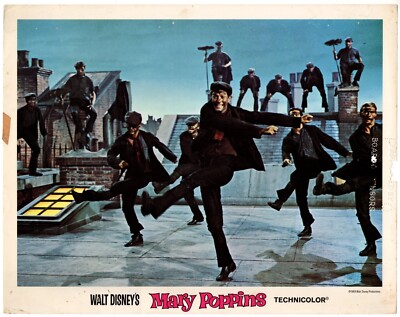
One of his most iconic roles came in the 1964 musical fantasy Mary Poppins.
He played Bert, a cheerful chimney sweep who guides viewers through magical adventures in London.
The film featured memorable songs including “Chim Chim Cher-ee” and “Supercalifragilisticexpialidocious.”
Van Dyke’s lively dance sequences became some of the most recognizable moments in musical film history.
Another Family Classic
In 1968, Van Dyke starred in another musical fantasy, Chitty Chitty Bang Bang.
He portrayed inventor Caractacus Potts, a creative father who takes his children on imaginative adventures.
The film featured elaborate musical numbers and whimsical storytelling.
Once again Van Dyke’s charisma and comedic style made the character memorable for audiences of all ages.
By the late 1960s he had become one of the most recognizable entertainers in the world.
Continuing Work in Television
Van Dyke continued appearing in television projects throughout the 1970s.
One notable series was The New Dick Van Dyke Show, which aired from 1971 to 1974.
The program followed a television talk show host and his family.
Although it did not achieve the same lasting impact as his earlier series, it demonstrated that his charm and comedic instincts remained strong.
By this point he was already firmly established as a major figure in entertainment.
Later Career and Diagnosis: Murder
In 1993, Van Dyke returned to television with the series Diagnosis: Murder.
He played Dr. Mark Sloan, a physician who frequently helped solve complex mysteries.
The show ran successfully for eight seasons, from 1993 to 2001.
His real-life son Barry Van Dyke appeared alongside him as Detective Steve Sloan.
The father-son partnership added warmth and authenticity to the series.
Reaching New Generations
Van Dyke continued appearing in modern films and television projects in the 2000s.
In 2006 he appeared in the adventure comedy Night at the Museum.
The role introduced his work to younger audiences who may not have grown up watching his earlier shows.
His humor and expressive personality remained as engaging as ever.
The appearance demonstrated that his appeal could span multiple generations.
A Nostalgic Return
In 2018, Van Dyke appeared in Mary Poppins Returns.
He portrayed Mr. Dawes Jr., the son of the elderly banker he had previously played decades earlier.
The cameo delighted audiences who remembered the original film.
Even in his nineties, Van Dyke performed with remarkable enthusiasm and energy.
His joyful presence became one of the film’s most memorable moments.
A Career Filled With Recognition
Over the course of his career, Van Dyke has received numerous awards and honors.
Among these achievements are several Primetime Emmy Awards, a Tony Award, and a Grammy Award.
In 2013 he received the Screen Actors Guild Life Achievement Award.
In 2021 he was honored with the Kennedy Center Honor for his contributions to American culture.
These recognitions reflect the enormous influence he has had on entertainment.
Personal Strength and Optimism
Van Dyke has also spoken openly about personal challenges he faced earlier in his life.
He has shared his experiences overcoming alcoholism and the lessons learned through that process.
By discussing these struggles honestly, he has encouraged others to seek support and remain hopeful.
His openness has become another reason many people admire him.
It reflects the resilience that has shaped both his career and personal life.
An Inspiring Philosophy
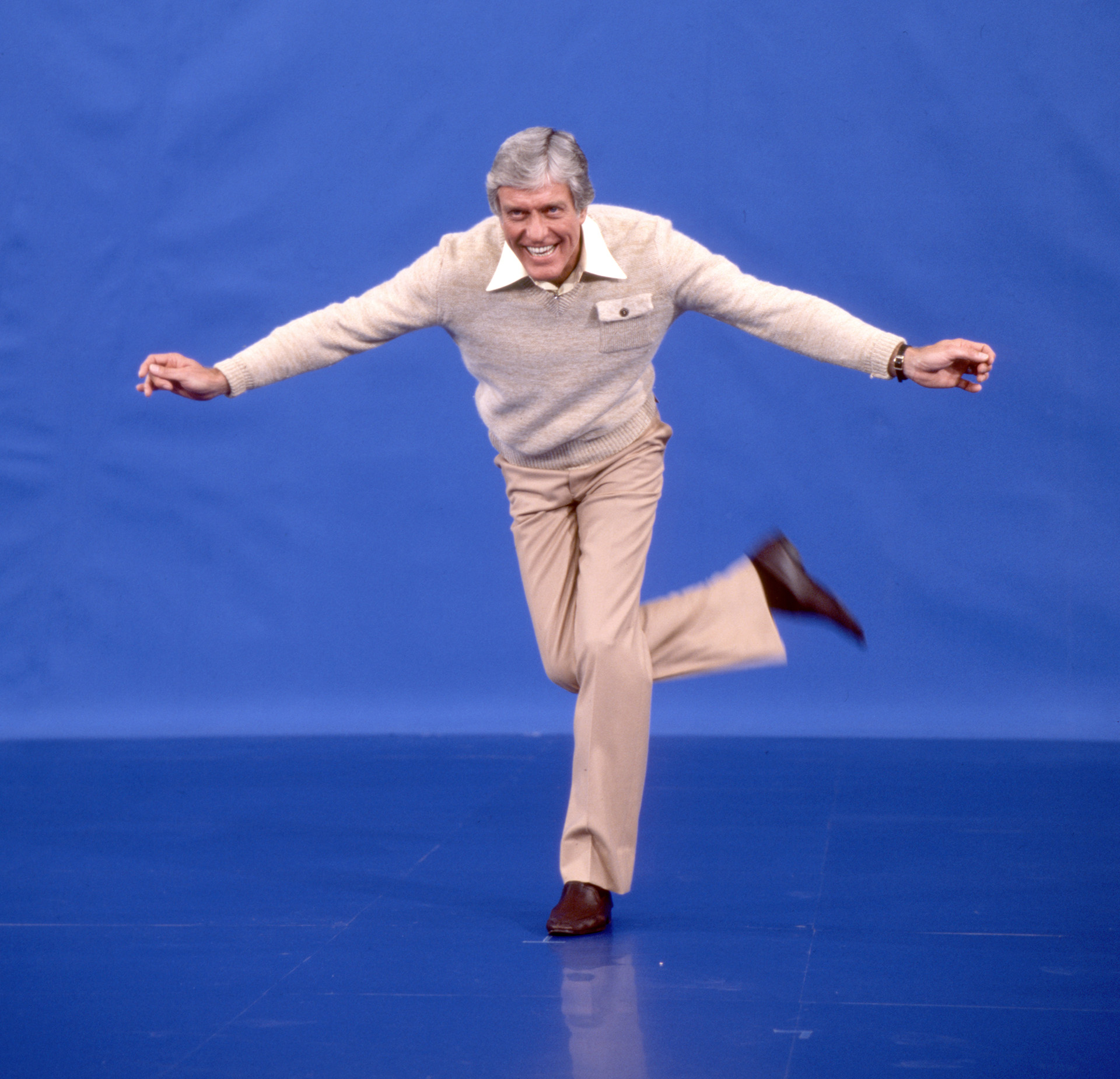
Even in his later years, Van Dyke has remained active and enthusiastic.
He often credits his energy to a simple philosophy: keep moving.
“Keep moving—that’s the secret,” he once said. “The minute you stop, you’re old.”
This outlook has inspired countless fans who admire his vitality.
His optimism continues to shape how audiences view him.
An Enduring Legacy
For more than seventy years, Dick Van Dyke has represented joy, creativity, and genuine humor.
His performances have consistently celebrated kindness, laughter, and imagination.
From television writers’ rooms to musical rooftops and mystery-solving adventures, his characters have always shared warmth and humanity.
Few performers remain beloved across so many generations.
Dick Van Dyke stands among the rare artists whose work continues to bring smiles to audiences around the world.