
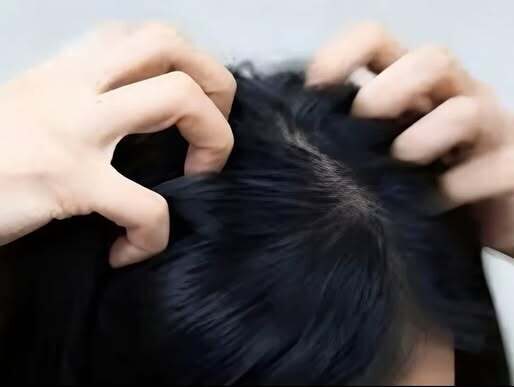
What an Itchy Scalp May Be Trying to Tell You About Your Skin
Persistent Scalp Itching Should Not Always Be Dismissed
An itchy scalp can begin as a minor distraction, but the sensation may gradually become difficult to ignore. Repeated scratching can interrupt work, disturb sleep, and leave the skin feeling sore, tender, or irritated.
Many people immediately assume that dryness or an unsuitable shampoo is responsible. While everyday irritation can certainly cause discomfort, persistent itching may also be connected to inflammation, product reactions, scalp conditions, infections, sun exposure, or emotional stress.
The scalp is covered by sensitive skin that regularly comes into contact with cleansers, styling products, hair dyes, heat, oil, sweat, and environmental elements. When its protective surface becomes irritated, itching may be one of the earliest signs that something is wrong.
Paying attention to accompanying symptoms can help determine whether the problem is likely temporary or requires professional evaluation. Redness, scaling, sores, blisters, bleeding, or unusual hair loss should not be overlooked.
Hair Products Can Irritate Sensitive Scalp Skin
Shampoos, chemical dyes, straightening treatments, and other hair products may contain ingredients that irritate the scalp. A reaction can happen soon after use, or it may develop gradually after repeated exposure.
The first symptom may be mild itching around the hairline or across the top of the head. Continued exposure can lead to burning, tenderness, visible redness, or areas that feel unusually warm and sensitive.
Stronger reactions may result in swelling, peeling, or blistering. Scratching these irritated areas can further damage the skin and increase discomfort, especially when the scalp has already been affected by harsh chemicals.
A product does not need to be new to cause a problem. Skin sensitivity can change, and repeated use may eventually trigger irritation even when the same formula was previously tolerated.
Introducing several products at the same time can make identifying the cause more difficult. Shampoo, conditioner, dye, styling spray, and heat-protection treatments may all come into direct or indirect contact with the scalp.
Patch testing before using a new product can help reveal sensitivity before it is applied across a larger area. Gentle formulas and careful rinsing may also reduce the amount of residue left behind on the skin.
Dandruff and Seborrheic Dermatitis
Dandruff is one of the most familiar causes of scalp itching. It is commonly associated with loose flakes that become visible in the hair or fall onto clothing.
Seborrheic dermatitis can cause more persistent inflammation. The affected areas may appear oily, irritated, or covered with white or yellowish scales.
The discomfort may come and go, with some periods being more noticeable than others. Oil buildup and ongoing inflammation can make the scalp feel itchy even when a person washes their hair regularly.
Scratching may temporarily ease the sensation, but it can also loosen more scales and make the scalp increasingly tender. Nails may create small injuries that burn when shampoo or water touches them.
A mild cleansing routine may help prevent additional irritation. Very hot water, aggressive scrubbing, and frequent use of strong products can leave already inflamed skin feeling worse.
Because several scalp conditions can produce flakes, appearance alone may not always reveal the exact cause. Persistent scaling deserves closer attention, particularly when redness or soreness is also present.
Psoriasis Can Affect the Scalp
Psoriasis may create thicker areas of inflamed skin covered by silvery scales. These plaques can form in small patches or spread across larger portions of the scalp.
The itching can range from mild to intense. Some people may also experience tightness, dryness, or a burning sensation around the affected skin.
Scratching thickened plaques can cause cracking or bleeding. Once the skin surface is damaged, even gentle washing or brushing may become uncomfortable.
Scalp psoriasis may be confused with severe dandruff because both can involve visible flakes. However, the thicker plaques and recurring inflammation can indicate that the condition is more than ordinary dryness.
Avoiding forceful removal of the scales is important. Picking or scraping the area may injure the skin without addressing the underlying inflammation.
When patches repeatedly return or continue to spread, a dermatologist can evaluate the scalp and determine the most appropriate form of care.
Fungal Infections and Lice May Cause Intense Itching
Fungal infections can also affect the scalp and may produce itching, inflammation, scaling, or areas of hair loss. The discomfort may become especially noticeable when the infection irritates hair follicles or damages the surrounding skin.
Hair loss linked to a scalp infection may appear in limited patches rather than across the entire head. The skin in those areas may look flaky, irritated, or unusually sensitive.
Lice can cause persistent itching as they move across the scalp and remain close to the roots of the hair. Frequent scratching may leave marks, sores, or areas of broken skin.
Both fungal infections and lice can be emotionally uncomfortable because people may feel embarrassed by the symptoms. However, delaying attention can allow itching and scalp damage to continue.
Ordinary shampooing may not resolve these causes. Proper identification is important because the care needed for an infection is different from the routine used for dandruff, chemical irritation, or psoriasis.
Any unexplained itching accompanied by localized hair loss, ongoing sores, or visible changes around the hair roots should be professionally assessed.
Sunburn Can Affect Exposed Areas of the Scalp
The scalp can burn after prolonged sun exposure, particularly where the hair is thin, parted, or absent. Because these areas may not feel exposed in the same way as the face or arms, protection is sometimes forgotten.
Sunburned scalp skin may become red, warm, painful, or itchy. Peeling can develop over the following days as the damaged surface begins to shed.
Scratching peeling skin may intensify soreness and create small wounds. Brushing, washing, and applying styling products can also become uncomfortable until the irritation settles.
People with thinning hair may have larger areas of uncovered scalp and may therefore notice repeated sensitivity after spending time outdoors. The hairline and the center part are especially easy to overlook.
Gentle care is important while the scalp is tender. Cool water and mild cleansing can help avoid adding unnecessary irritation to already damaged skin.
Stress Can Intensify the Sensation of Itching
Emotional strain may contribute to scalp discomfort even when there is no obvious external trigger. Anxiety and prolonged stress can increase inflammatory activity and make ordinary sensations feel more intense.
A person may also scratch more frequently when feeling tense, distracted, or overwhelmed. This repeated behavior can create a cycle in which scratching irritates the skin and the irritated skin produces even more itching.
The scalp may begin to burn or feel tender despite having shown little visible irritation at the start. Over time, frequent scratching can damage the protective skin surface.
Stress-related itching does not mean that the discomfort is imaginary. The sensation is real, but emotional pressure may be one factor that increases its frequency or severity.
Reducing irritation from hair products while also addressing stress may help break the cycle. However, symptoms should not automatically be blamed on anxiety when redness, scales, sores, or hair loss are present.
Gentle Scalp Care May Reduce Additional Irritation
Simple changes can help protect an uncomfortable scalp while the cause is being identified. Mild shampoo, cool or lukewarm water, and careful rinsing may be less irritating than strong cleansers and very hot showers.
The scalp should be massaged gently with the fingertips rather than scratched with the nails. Fingernails can create tiny cuts that increase burning, inflammation, and sensitivity.
Soothing ingredients such as chamomile or aloe may provide comfort for mild irritation. Any new preparation should still be tested cautiously because sensitive skin can react even to products described as gentle.
It may also help to pause the use of hair dye, straightening formulas, fragranced sprays, or unfamiliar treatments until the irritation improves. Continuing to apply a suspected trigger can make it difficult for the skin to recover.
Hairbrushes and combs should be used carefully when the scalp is sore. Pulling at flakes, plaques, or scabs can reopen damaged areas and prolong discomfort.
Gentle care can reduce additional injury, but it cannot replace a diagnosis when symptoms are caused by an ongoing inflammatory condition, fungal infection, lice, or another persistent problem.
When Professional Evaluation Becomes Important
Temporary itching may settle after an irritating product is discontinued or the scalp is treated more gently. Symptoms that continue for more than two weeks deserve greater attention.
A dermatologist’s evaluation is especially important when the itching becomes progressively worse. Intense redness, open wounds, blisters, bleeding, thick plaques, or significant tenderness may indicate that the skin needs targeted care.
Excessive or unexplained hair loss is another warning sign. Hair shedding associated with inflamed or infected patches should not be treated as ordinary scalp dryness.
Professional assessment can distinguish between conditions that may appear similar at first. Dandruff, seborrheic dermatitis, psoriasis, product irritation, fungal infections, and lice can all cause itching, but they may require different responses.
Early evaluation may also help prevent the scratching cycle from producing further damage. Once the scalp develops sores or cracked skin, ordinary grooming can become painful and recovery may take longer.
Listening to Early Scalp Symptoms
An itchy scalp is common, but persistent discomfort should not be ignored. It may be the scalp’s way of signaling irritation, inflammation, infection, sun damage, or sensitivity to a hair product.
The location and appearance of the symptoms can provide useful clues. Flakes, oily scales, silvery plaques, blisters, localized hair loss, and peeling skin each suggest that the scalp is reacting in a particular way.
Careful observation is more helpful than repeated scratching or frequently changing products without a clear reason. A gentle routine can protect the skin while the symptoms are monitored.
When itching lasts longer than two weeks or appears with wounds, severe redness, pain, or substantial hair loss, professional evaluation is essential. Identifying the cause can restore comfort while helping preserve healthy scalp skin and hair.