
How River Fish Keepers Preserved Food Before Modern Refrigeration
Wooden cages placed in cold, moving water helped families protect fresh fish, household meals, and valuable income.
Long before electric refrigerators became part of everyday life, people relied on the natural world to preserve the food they gathered. For families living near rivers, one of the most practical solutions was a wooden fish keeper secured beneath the surface of the water.
This unusual-looking structure served a simple but essential purpose. It kept freshly caught fish alive until they were needed for a meal, sold for income, or prepared for longer-term storage.
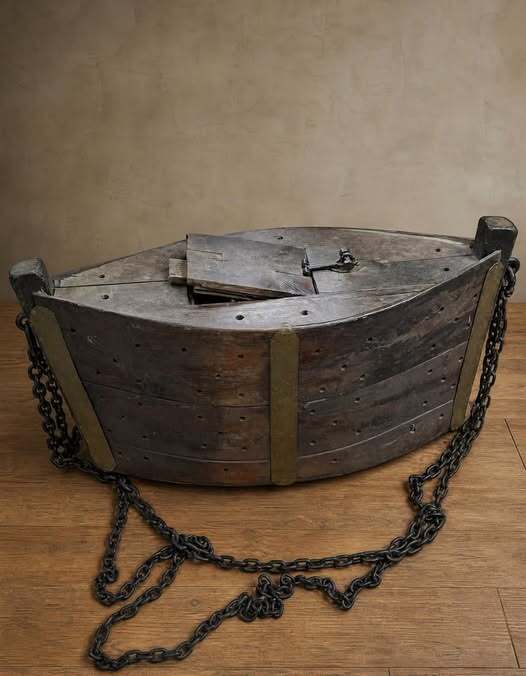
The keeper was usually built from curved wooden slats reinforced with iron bands. Narrow spaces between the slats allowed river water to move freely through the enclosure while preventing the fish inside from escaping.
By placing the container in cold, flowing water, households could maintain a living supply of fish without ice, electricity, compressors, or mechanical cooling. The river itself performed the work that a refrigerator would later provide.
A Practical Answer to a Difficult Storage Problem
Fresh fish spoils quickly after it is removed from the water. Without modern cooling equipment, a large catch could become unusable before a family had time to eat, trade, or sell it.
Keeping the fish alive offered a dependable solution. Instead of attempting to preserve the entire catch immediately, people could transfer the fish into the wooden keeper and retrieve them only when they were required.
The constant river current brought fresh, oxygenated water through the slatted walls. This helped the fish remain alive while the low water temperature slowed the conditions that caused food to deteriorate.
The device did not chill dead fish in the same way as a modern refrigerator. Its advantage came from maintaining the fish in their natural environment, separating them from the open river while allowing them to continue breathing.
This method gave families more control over their food supply. A successful fishing day no longer meant that every fish had to be eaten, exchanged, or processed before it spoiled.
How the Wooden Keeper Was Constructed
The design depended on strong materials and careful spacing. Wooden slats formed the main body, while iron bands helped the structure maintain its shape under pressure from moving water.
The gaps between the planks had to be wide enough for the current to pass through but narrow enough to hold the fish safely inside. If the spaces were too large, smaller fish could escape.
A hinged lid provided access to the enclosure. The owner could open the top, place the catch inside, and later remove one or more fish without lifting the entire structure from the river.
In some cases, the lid could be locked. This added protection against theft and helped prevent the keeper from being opened accidentally by water movement, animals, or passing debris.
The curved shape strengthened the container and helped water flow around it. Rather than presenting a large, flat surface to the current, the rounded body allowed the river to move past with less direct resistance.
Each part of the keeper had a practical role. The wood formed a breathable enclosure, the iron maintained its strength, the lid controlled access, and the chains held the entire device in place.
Why Heavy Chains Were Essential
A fish keeper could not simply be placed in the river and left unsecured. Strong currents, sudden storms, and rising water could easily carry away a wooden structure filled with live fish.
Heavy chains were attached to the keeper and fastened to a secure point near the bank. These chains prevented the enclosure from drifting downstream when water levels changed or the current became more powerful.
The chains also made it possible to lower the keeper into a suitable position. It needed to remain beneath the surface so that water could circulate through it, but it also had to stay accessible to the people using it.
Suspending the container between the riverbed and the surface allowed the owner to reach it without entering deep water. At the same time, the fish remained fully surrounded by the cold current.
A damaged chain could create a serious loss. If the keeper broke free, an entire catch might disappear downstream, taking with it food intended for several days and fish that could have been sold.
For households operating with narrow supplies, that loss could affect far more than one meal. It could reduce income, disrupt planned exchanges, and leave a family without an important source of food.
The River Became a Natural Refrigerator
The most important feature of the keeper was not the container itself but the environment around it. Flowing river water continuously replaced the water inside the enclosure.
This movement helped maintain oxygen levels for the fish. It also prevented the water inside the keeper from becoming still, warm, or unsuitable for the living catch.
Cold water created another advantage. During cooler seasons, the river provided a stable environment that could keep fish alive for a period of time without any manufactured cooling system.
People using these devices had to understand the river closely. They needed to recognize where the current was strong enough to provide fresh water but not so violent that it would damage the structure.
They also had to consider depth, seasonal changes, water temperature, and the possibility of floods. A location that worked during calm weather might become dangerous after heavy rain.
This knowledge was built through daily observation. Families living beside the water learned how the river changed and adjusted their methods to protect the keeper and the food inside it.
Protection From Animals and Human Theft
The wooden enclosure did more than hold fish in one place. It also created a barrier against animals that might otherwise steal an exposed catch.
A fox or another hungry animal approaching from the bank could not easily reach fish held beneath the water inside a reinforced cage. The keeper allowed families to store their catch near home without leaving it unprotected in a basket or container on land.
The hinged lid reduced the risk of fish escaping from the top. When secured properly, it also made the enclosure difficult for animals to open.
Human theft was another concern. Fish represented both food and money, especially for families who depended on fishing as part of their livelihood.
A lock on the lid could discourage someone from taking fish without permission. The chains also made it harder for a stranger to remove the entire keeper quickly from the river.
These protective features reveal how valuable the contents could be. The structure was not merely a convenient storage box. It guarded an important household resource.
A Tool Connected to Daily Survival
For modern observers, a river fish keeper may appear to be an interesting handmade object from the past. For the people who depended on it, however, its role was immediate and practical.
A secure keeper could mean that a family had fresh fish available even on days when fishing conditions were poor. It allowed them to save part of a successful catch instead of consuming or processing everything at once.
The stored fish could be selected as needed. One might be removed for the evening meal, while the rest remained alive in the water for another day.
This reduced waste and helped households manage uncertain supplies. Rivers did not always provide the same catch each day, and weather could prevent people from fishing when they had planned.
By maintaining a reserve of living fish, families gained a small measure of protection against those uncertainties. The keeper became part of a broader routine involving fishing, meal planning, trading, and preparing for changing conditions.
Small Damage Could Have Serious Consequences
The usefulness of the keeper depended on regular maintenance. Wooden slats could weaken, iron fittings could rust, and chains could become worn after long exposure to water.
A single broken slat could create an opening large enough for fish to escape. A loose lid could rise in the current, while a snapped chain could send the entire structure downstream.
Owners therefore had to inspect the keeper and repair damage before it became a larger problem. The condition of the device directly affected the security of the food inside it.
Storms added further pressure. Rising water carried branches, mud, and other debris that could strike the enclosure or pull against its chains.
During dark nights and severe weather, families had to trust that the keeper would remain where it had been secured. Its construction had to be strong enough to endure conditions that could change with little warning.
The risk explains why the iron bands, chains, lock, and carefully fitted planks mattered so much. Every component helped protect the catch against escape, damage, theft, and the force of the river.
Knowledge Shaped by Seasons and Experience
Using a fish keeper successfully required more than simply lowering it into the water. The owner needed practical knowledge of both fish and river conditions.
Water temperature changed with the seasons, and the behavior of the river shifted after rain, cold weather, or storms. The keeper’s position might need to be adjusted as the water rose or fell.
The number of fish placed inside also had to remain manageable. The current needed to reach the entire enclosure so the fish could continue receiving fresh, oxygenated water.
People learned these limits through experience. Their understanding was not based on switches, gauges, or automated systems but on observation and familiarity with the environment.
They watched the current, examined the structure, checked the chains, and judged whether the fish remained in suitable condition. The success of the system depended on this repeated attention.
This combination of craftsmanship and environmental knowledge allowed a simple wooden object to perform an important task reliably.
From Essential Equipment to Historical Relic
Modern refrigeration eventually changed how families stored fresh food. Iceboxes and electric refrigerators made it possible to keep fish and other foods cool inside the home without relying on a nearby river.
As these technologies spread, wooden fish keepers became less necessary. Devices that had once played a central role in daily life were gradually removed from the water and set aside.
Some survived in museums, barns, workshops, or private collections. Separated from the rivers where they once operated, they can be difficult to identify by appearance alone.
Their curved wooden bodies and iron fittings may resemble cages, traps, or storage baskets. Their purpose becomes clear only when they are understood as containers designed to remain submerged in moving water.
The worn wood reflects years of exposure to the river, while the iron bands and chains show the force the keeper was built to resist. The marks left on these objects preserve evidence of repeated use.
A Reminder of Resourceful Household Engineering
The river fish keeper demonstrates how people solved preservation problems using the materials and natural resources available to them. Wood, iron, chains, and flowing water were combined into a system that required no fuel or electricity.
Its design was straightforward, but it addressed several needs at once. It kept fish alive, reduced waste, protected a valuable catch, and allowed households to plan meals and sales more effectively.
The invention also shows how closely earlier communities worked with their surroundings. Rather than attempting to separate food storage from the river, they made the river part of the storage system.
Moving water supplied cooling and oxygen. The wooden cage provided containment, while the iron fittings and chains supplied strength and security.
Every feature emerged from a practical challenge. The narrow gaps prevented escape, the lid allowed access, the lock discouraged theft, and the chains protected the keeper from floods and strong currents.
Why These Forgotten Devices Still Matter
Although the fish keeper is no longer a common household tool, it offers a clear view of life before modern refrigeration. It represents a time when food preservation depended on local knowledge, careful construction, and constant awareness of weather and water.
The object also carries the story of families whose survival depended on avoiding waste. A catch of fish could provide meals, support trade, or generate income, making its protection a serious responsibility.
What may now seem like a rough wooden cage was once a carefully designed form of food security. Its value was measured not by appearance but by the meals and earnings it preserved.
The keeper turned a section of river into a living pantry. Beneath the dark surface, fish remained enclosed but alive, waiting until the household was ready to use them.
Today, the surviving examples stand as reminders of quiet ingenuity. They show how ordinary people created effective technology from simple materials and a detailed understanding of the natural world.
Long before refrigeration became a standard feature of the home, these submerged wooden keepers helped communities protect their food one catch at a time. Their slats, iron bands, lids, and chains formed a modest invention with an essential purpose: keeping the next meal safely within reach.