
Common Air Conditioner Habits That Can Send Summer Electricity Bills Soaring
Simple Cooling Mistakes May Be Costing Households More Than Expected
Every summer, many families face an unpleasant surprise when their electricity bill arrives. A household may expect a small seasonal increase, only to discover that the amount has risen by 50 percent or even doubled or tripled during the hottest part of the year.
Air conditioners naturally use more electricity when temperatures remain high for long periods. However, the size of the bill is not determined only by the weather. Everyday cooling habits can also make an air-conditioning system consume more power than necessary.
Some of the most common practices are based on the belief that they will cool a room faster or reduce operating costs. In reality, they may force the system to work harder, increase strain on internal components and reduce the appliance’s useful lifespan.
Fortunately, improving efficiency does not require giving up comfort. Moderate temperature settings, steady operation, clean filters and better airflow can help households remain comfortable while keeping electricity use under greater control.
Why Air-Conditioning Costs Rise During Hot Weather
Air conditioners become one of the most heavily used household appliances during summer. In many homes, cooling is no longer treated as an occasional luxury because it supports comfortable sleep, daily productivity and relief from extreme heat.
The longer an air conditioner operates, the more electricity it consumes. When outdoor temperatures remain high throughout the day and night, the system may need to run for extended periods to maintain a comfortable indoor environment.
That does not mean every increase in electricity use is unavoidable. The way a system is operated can influence how long it runs, how hard it works and how efficiently cool air is distributed throughout the room.
A properly maintained air conditioner operating at a reasonable temperature can often cool a space more efficiently than a neglected unit being used under extreme settings.
Setting the Thermostat Too Low
One of the most frequent mistakes occurs when someone enters a hot room and immediately lowers the thermostat to the coldest available setting. The assumption is that an extremely low setting will make the room cool down much faster.
However, placing the thermostat at a very low temperature does not necessarily provide instant cooling. Instead, it can cause the air conditioner to remain active for a much longer period as it attempts to reach and maintain the selected level.
The greater the difference between the indoor target and the surrounding temperature, the more effort the system must make. This can lead to higher electricity consumption, especially when the setting is kept unusually low for several hours.
A moderate daytime range between 23°C and 25°C is generally considered comfortable and efficient. It allows the room to remain cool without requiring the air conditioner to operate at maximum demand for unnecessary periods.
At night, the thermostat can often be raised slightly. A setting between 25°C and 28°C may still provide a comfortable sleeping environment while reducing the amount of energy required to maintain the room.
Even a small adjustment can make a noticeable difference when repeated every day throughout the summer. The goal is not to make the room as cold as possible, but to maintain a stable and comfortable temperature.
Repeatedly Switching the Unit On and Off
Another common belief is that turning the air conditioner off as soon as the room feels cool will save electricity. Many users then restart it when the room becomes warm again.
Although this approach appears economical, repeated stopping and restarting can create additional work for the system. Once the unit is switched off, indoor temperatures begin to rise, particularly when doors, windows or sunlight allow heat to enter.
When the air conditioner is turned on again, it must remove the newly accumulated heat and return the room to the desired temperature. This repeated recovery process may require more energy than maintaining a steady setting.
Frequent cycling can also place additional pressure on internal parts. Over time, constant restarting may contribute to increased wear and reduce the system’s operating life.
Allowing the unit to maintain a consistent temperature is often more efficient than repeatedly waiting for the room to become hot before beginning another cooling cycle.
Understanding Cool Mode and Dry Mode
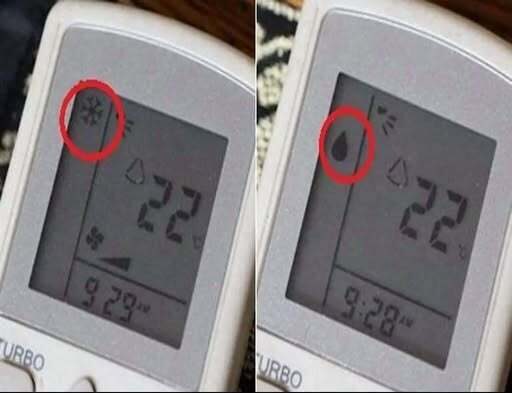
Confusion about operating modes can also affect comfort and electricity use. Some homeowners select Dry mode because they assume it provides the same cooling performance as Cool mode while consuming less energy.
Dry mode is designed mainly to reduce moisture in the air. It can be useful when conditions are humid and the temperature is not excessively high.
Removing humidity may make a room feel more comfortable because damp air often feels warmer and heavier. However, Dry mode is not intended to provide the same level of temperature reduction as the main cooling function.
During extremely hot weather, using Dry mode alone may leave the room feeling warmer than expected. The unit may remove moisture without delivering enough cooling to create a comfortable indoor environment.
Cool mode remains the more suitable option when the main objective is to lower the room temperature. Selecting the correct mode helps the air conditioner perform the task it was designed to handle.
Improving Airflow Around the Room
Airflow direction can influence how quickly a space feels comfortable. Some users point the air directly toward a sofa, bed or desk because they want immediate relief from the heat.
Direct airflow may cool one person quickly, but it can leave other areas of the room noticeably warmer. The system may then continue operating because the overall temperature remains uneven.
Using the automatic fan or airflow setting can help distribute cool air more consistently. The moving vents spread air across a wider area instead of concentrating it in one location.
More even circulation helps reduce warm pockets and allows the room to reach a stable temperature. This can improve comfort without requiring the thermostat to be lowered excessively.
A ceiling fan or standing fan can also support circulation. Fans use considerably less electricity than air conditioners and can help move cooled air around the room.
When air moves across the skin, people often feel comfortable at a slightly higher thermostat setting. This makes it possible to reduce the air conditioner’s workload while maintaining a pleasant indoor environment.
Keeping Doors and Windows Closed
Running an air conditioner while a door or window remains open is one of the fastest ways to waste cooling energy. Cold air escapes from the room while warm outdoor air continues to enter.
The system must then operate for longer periods to compensate for the constant temperature change. Even a powerful unit may struggle to cool a room when heat is entering continuously.
Keeping doors and windows closed helps contain the cooled air and maintain a stable indoor temperature. It also reduces unnecessary pressure on the appliance.
Households should also pay attention to doors leading into hallways or adjoining rooms. Cooling a larger area than intended can increase electricity use and reduce performance in the occupied space.
Blocking Heat From Direct Sunlight
Sunlight entering through windows can raise indoor temperatures quickly, especially during the hottest hours of the day. Glass allows solar heat to enter, warming floors, furniture and other surfaces inside the room.
As the indoor temperature rises, the air conditioner must work harder to remove the added heat. This may cause longer operating cycles and higher electricity consumption.
Closing curtains, blinds or shades can reduce the amount of direct sunlight entering the room. This simple step lowers the cooling load without requiring any change to the air conditioner itself.
Rooms that receive strong afternoon sun may benefit the most from this habit. Preventing heat from building up is generally easier than forcing the cooling system to remove it later.
Cleaning Filters During Heavy Use
Maintenance is one of the most important parts of efficient air-conditioner operation. Filters collect dust, dirt and other particles as air passes through the system.
Over time, this material can restrict airflow. When the air cannot move freely, the unit must work harder to deliver the same amount of cooling.
Reduced airflow may also make the room take longer to cool. A homeowner may respond by lowering the temperature further, which can increase energy use without solving the actual problem.
Inspecting and cleaning the filters approximately every two weeks during periods of heavy use can help preserve performance. The exact cleaning needs may vary depending on how frequently the unit operates and how quickly dust accumulates in the home.
A clean filter supports stronger airflow, more consistent cooling and more efficient operation. It may also improve the overall quality of the air moving through the room.
Scheduling Routine Professional Maintenance
Filter cleaning is important, but it does not replace a complete system inspection. Internal components can collect debris or develop minor performance issues that are not immediately visible to the homeowner.
Professional servicing approximately every six months can help keep the system operating correctly. Homes that rely on air conditioning throughout much of the year may require more frequent attention.
Routine inspections can identify small problems before they develop into major faults. Addressing issues early may reduce the risk of expensive repairs and unexpected breakdowns during extreme heat.
A properly serviced system is also more likely to achieve the selected temperature without running longer than necessary.
Efficiency Matters More Than Simply Using the Unit Less
Many people focus entirely on reducing the number of hours their air conditioner operates. Although limiting unnecessary use can help, operating efficiency is equally important.
A poorly maintained system may consume a large amount of electricity even when used for shorter periods. A clean and properly operated unit may provide better cooling while using energy more effectively.
Reasonable thermostat settings, closed windows, shaded rooms, clean filters and steady airflow all work together. No single habit needs to carry the entire responsibility for reducing the bill.
The greatest improvement often comes from combining several small changes. Each adjustment reduces part of the cooling demand placed on the system.
Staying Comfortable Without Dreading the Next Bill
Summer electricity costs can place significant pressure on household budgets, particularly when high temperatures continue for weeks. However, large increases are not always unavoidable.
Avoiding extremely low thermostat settings, reducing unnecessary on-and-off cycling and selecting the correct operating mode can improve the way an air conditioner performs.
Managing sunlight, keeping cooled rooms closed and using fans to circulate air can further reduce the amount of work required from the system.
Regular filter cleaning and professional servicing help protect both efficiency and equipment lifespan. These habits may also reduce the likelihood of sudden mechanical problems during the hottest part of the year.
Comfort and responsible electricity use do not have to compete with each other. By operating an air conditioner carefully and maintaining it properly, households can stay cool throughout the summer without creating unnecessary pressure on their energy bills.