
Christina Applegate’s Journey From a Troubled Childhood to Television Stardom and Life With Multiple Sclerosis
The actress built a celebrated Hollywood career while confronting childhood trauma, complicated relationships, cancer and a life-changing neurological diagnosis
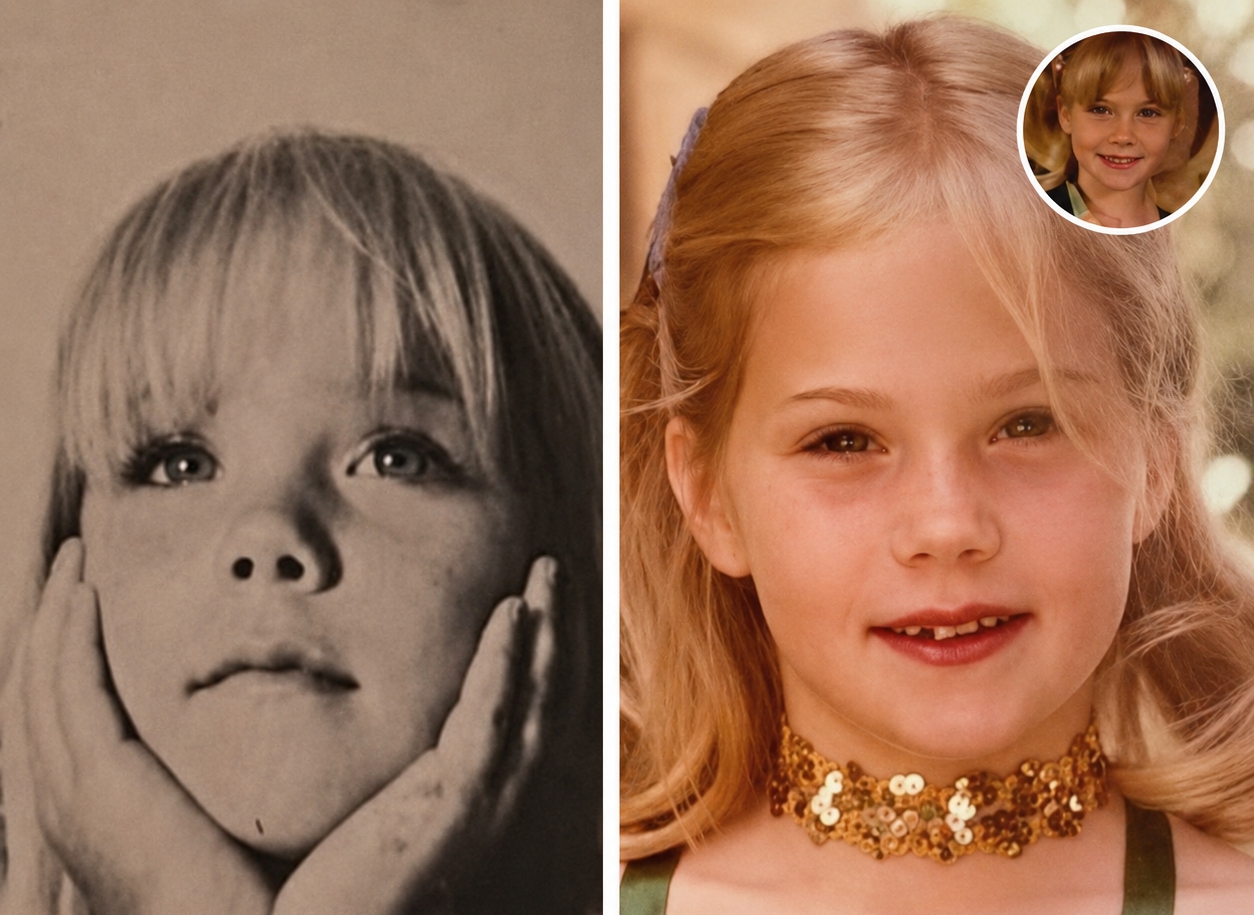
Christina Applegate grew up in Laurel Canyon, a Los Angeles neighborhood long associated with musicians, actors and other creative figures. Although the area carried an image of artistic freedom and Hollywood glamour, her experience inside that world was shaped by addiction, family instability and deeply painful childhood events.
Over the following decades, Applegate became one of the most familiar actresses of her generation. Her career included a defining television role, successful comedy films, award recognition and a widely praised dramatic performance, but her professional success unfolded alongside serious challenges in her private life.
A Childhood Marked by Family Separation
Applegate was born in 1971 to a television producer father and Nancy Priddy, an actress and singer. Her parents separated soon after she was born, leaving her to be raised mainly by her mother.
The split affected the family structure Applegate knew as a child. She has spoken about growing up without the close father-daughter relationship that many children experience and about the emotional absence created by that separation.
Her surroundings may have appeared exciting from the outside. Laurel Canyon was filled with people connected to music, television and film, placing Applegate near the entertainment industry from the beginning of her life.
Inside the home, however, stability was often missing. Her mother struggled with heroin addiction, exposing Applegate to circumstances that were confusing and frightening for a young child.
Men also entered and left their household during her early years. One of those relationships involved physical abuse, adding another source of fear and unpredictability to an already difficult home environment.
Trauma at an Early Age
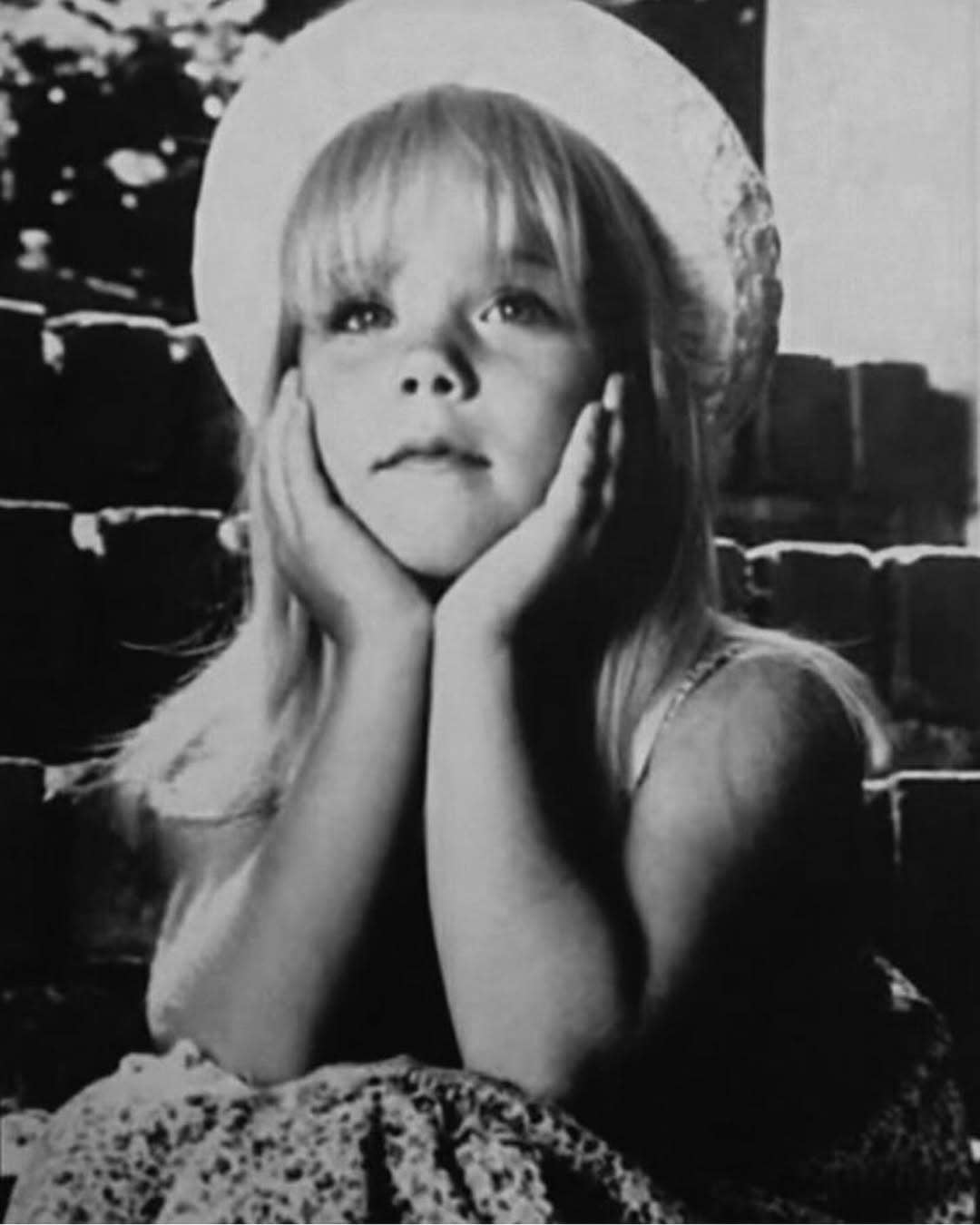
Applegate’s childhood included abuse that continued to affect her long after she became famous. At five years old, she was harmed by a babysitter, an experience she later addressed publicly while discussing the most painful parts of her early life.
The incident was not an isolated hardship within an otherwise secure upbringing. It occurred during a period in which addiction, unstable relationships and emotional uncertainty were already part of her daily surroundings.
Experiences of this kind forced Applegate to confront adult problems long before she had the ability to understand them. Her childhood did not offer the consistent protection and security usually expected within a family home.
Those early circumstances later influenced how she viewed relationships and responsibility. They also formed part of the personal history she carried while entering an industry known for intense pressure and public attention.
Entering Show Business as a Child
Entertainment was woven into Applegate’s life from infancy because of her parents’ professional backgrounds. Priddy had appeared in television programs including Bewitched, The Waltons and The Young and the Restless.
Applegate began appearing on television before she was old enough to understand the business surrounding her. She was featured on Days of Our Lives as a baby and later appeared in national commercials before she could read.
Her early work made acting a familiar part of childhood rather than a career discovered later in life. Auditions, cameras and television sets became part of her routine at an age when most children were focused only on school and play.
By the time she was 10, Applegate had secured a part in the horror film Jaws of Satan. The role added film experience to the commercial and television work she had already completed.
Her early introduction to the profession gave her years of experience before her major breakthrough. At the same time, it placed her within a demanding adult industry while she was still coping with instability in her personal life.
Kelly Bundy Changed Her Career
Applegate’s defining breakthrough arrived in 1987 when she was selected to play Kelly Bundy on Married… with Children. The Fox sitcom became a major success and transformed the teenage actress into a nationally recognized television personality.
Kelly was written as the outspoken daughter of the Bundy family. She was frequently underestimated and portrayed as lacking intelligence, but Applegate’s comic delivery helped make the character one of the program’s most memorable figures.
The role brought Applegate sudden visibility at a young age. Viewers recognized her across the country, and the success of the series gave her a level of fame that few teenage performers experience.
Applegate later emphasized that her real personality was very different from Kelly’s. Although the character became closely connected to her public image, she did not consider Kelly an accurate reflection of who she was away from the cameras.
The show’s popularity also changed her financial position within her family. As her career grew, Applegate became the primary provider for the household, adding adult financial responsibility to the pressures of being a young celebrity.
Supporting a family while building a career required her to mature quickly. Her professional success gave her independence, but it also placed expectations on her that extended far beyond learning scripts and performing for an audience.

Fame Did Not End Her Personal Struggles
The public attention surrounding Married… with Children did not resolve the emotional patterns created during Applegate’s childhood. While her career was moving forward, her personal relationships became increasingly difficult.
During her late teens and early adulthood, she remained in a long-term relationship with an abusive boyfriend. The relationship continued a pattern of instability that resembled some of the circumstances she had witnessed while growing up.
Applegate later reflected on her tendency to become involved with troubled partners. She recognized that she often felt drawn toward people she believed she could repair, protect or guide toward a better life.
She described some of those partners as “broken” and acknowledged that she had rarely chosen men with conventional careers or uncomplicated lives. Her attraction to people in crisis appeared connected to a desire to rescue others from their problems.
With time, she came to understand the limits of that approach. Wanting to help another person did not mean she could change harmful behavior or carry responsibility for someone else’s recovery.
That realization marked an important shift in how she understood relationships. It also showed how childhood experiences can continue influencing adult decisions even after a person has achieved professional security.
Expanding Beyond Her Breakout Role
After becoming closely identified with Kelly Bundy, Applegate worked to establish a career that extended beyond the sitcom. She accepted television and film roles that allowed her to display different sides of her acting ability.
Her work on Jesse earned her a Golden Globe nomination. The recognition demonstrated that audiences and industry professionals could see her as more than the character who had first made her famous.
Applegate later won an Emmy for a guest appearance on Friends. The role highlighted her ability to enter an established comedy ensemble and make a strong impression within a limited amount of screen time.
Her film career also benefited from her talent for comedy. She appeared in The Sweetest Thing, bringing her energetic style to a story centered on friendship and romantic complications.
She reached another large film audience through Anchorman: The Legend of Ron Burgundy. The comedy became one of her best-known movie projects and further established her as a performer capable of holding her own within a prominent ensemble cast.
These projects helped Applegate avoid being defined by only one role. Although Kelly Bundy remained an important part of her career, later performances showed her range and her ability to remain relevant through changing periods of television and film.
Critical Recognition for Dead to Me
Applegate later took on one of the most acclaimed roles of her career in Netflix’s Dead to Me. The series gave her an opportunity to combine comedy with grief, anger and emotional vulnerability.
Her performance was widely praised because it demanded more than traditional sitcom timing. She portrayed a character dealing with loss and complicated personal relationships while still maintaining the sharp humor that had long been part of Applegate’s work.
The project represented another stage in her development as an actress. Decades after first becoming famous as a teenager, she remained capable of delivering a performance that attracted renewed attention and critical respect.
Dead to Me also arrived during a period when Applegate was facing major changes in her health. The physical and emotional demands surrounding the production became part of a much larger personal challenge.

A Multiple Sclerosis Diagnosis
In 2021, Applegate announced that she had been diagnosed with multiple sclerosis. The autoimmune disease affects the central nervous system and can interfere with movement, balance, strength and other areas of daily functioning.
The diagnosis significantly changed her life. Activities that once seemed routine became more difficult, and the physical requirements of acting in front of a camera became harder to manage.
Applegate eventually stepped away from most on-camera work as she adjusted to the effects of the condition. The decision represented a major transition for someone who had been performing since infancy.
Leaving regular screen work was not simply a professional change. Acting had been part of nearly every stage of her life, from baby television appearances and childhood commercials to sitcom fame and award-winning performances.
Multiple sclerosis also affected her experience as a parent. Applegate shares a daughter, Sadie, with her husband, musician Martyn LeNoble.
She has spoken openly about the emotional difficulty of being unable to participate fully in ordinary parenting activities. The condition has placed limits on moments she once expected to share more easily with her daughter.
Her willingness to discuss those frustrations has shown the personal impact of chronic illness beyond its medical symptoms. For Applegate, the losses have included changes to independence, career possibilities and family routines.
Facing Breast Cancer and Supporting Charitable Causes
Multiple sclerosis was not Applegate’s first major health battle. She had previously faced breast cancer, an experience that strengthened her connection to organizations focused on cancer support and awareness.
Outside acting, she contributed time to charitable efforts that included the Entertainment Industry Foundation and Stand Up To Cancer. Her involvement carried personal meaning because of her own experience with the disease.
Health advocacy became another way for Applegate to use her public platform. Rather than limiting discussion to professional achievements, she allowed parts of her private medical journey to become a source of awareness for others.
Her public openness has included difficult subjects that many people hesitate to discuss, from childhood abuse and unhealthy relationships to cancer and neurological illness. Sharing those experiences has required her to revisit events associated with pain, fear and loss.
A Life Defined by Endurance
Christina Applegate’s public story began with a child entering show business and becoming famous as Kelly Bundy. Behind that success was a young person navigating family separation, addiction, abuse and financial responsibility.
Her later career proved that she could move beyond the role that introduced her to millions of viewers. Television nominations, an Emmy victory, successful films and her performance in Dead to Me demonstrated her versatility and staying power.
At the same time, personal hardship continued to shape her life. Abusive relationships, breast cancer and multiple sclerosis brought challenges that could not be resolved through fame or professional recognition.
Applegate has responded by speaking honestly about the realities she has faced. Her reflections do not present success as protection from pain, but instead show how public accomplishment and private struggle can exist at the same time.
From Laurel Canyon to major television and film productions, her path has involved repeated reinvention. Each new stage required her to adapt to circumstances she did not choose.
Her career remains an important part of modern television comedy, while her health journey has introduced a different kind of public role. She now reaches audiences not only through characters, but through direct conversations about illness, trauma and perseverance.
Applegate’s life illustrates how endurance can take many forms. Sometimes it means building a career despite an unstable beginning, and sometimes it means acknowledging limitations while continuing to find purpose beyond the work that once defined daily life.
Through decades of public attention, she has continued to confront difficult realities without hiding their emotional cost. Her story remains one of achievement, survival and the ongoing effort to move forward when life changes in ways that cannot be reversed.
:::