
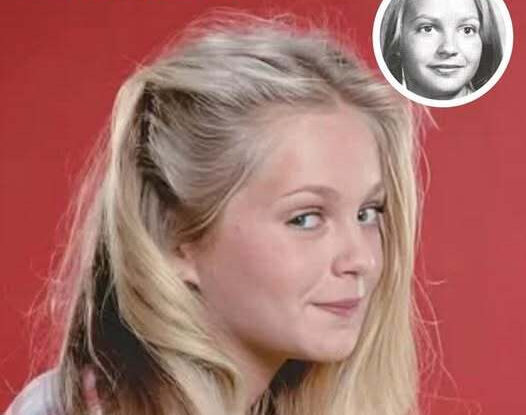
Charlene Tilton Reflects on the Difficult Childhood That Shaped Her Life Before Dallas
A Childhood Defined by Instability and Uncertainty
Long before Charlene Tilton became one of television’s most recognizable stars, she was learning how to survive circumstances that demanded maturity far beyond her years.
The actress, best known for playing Lucy Ewing on Dallas, has opened up about the painful experiences that shaped her childhood, her career and the resilience she carried into adulthood.
Tilton described growing up in an environment marked by poverty, emotional uncertainty and frequent disruption. Her mother, Katherine, lived with schizophrenia, and the severity of the condition often made daily life unpredictable.
As a young child, Tilton witnessed frightening episodes connected to her mother’s mental illness. These included public breakdowns, police involvement and moments when authorities removed her mother for psychiatric treatment.
For a child who did not fully understand what was happening, these experiences created a constant sense of insecurity. She never knew when a normal day might suddenly turn into a crisis or when she might be separated from the only parent in her life.
Separated From Her Mother at a Young Age
Katherine’s illness eventually became serious enough that she was hospitalized in a psychiatric institution for several years. Tilton was still very young when the separation occurred.
Without a stable home of her own, she spent years moving among relatives. Instead of experiencing a consistent family routine, she was repeatedly placed in unfamiliar households and expected to adapt.
One of the most painful parts of that period was hearing family members discuss who would be responsible for her. Those conversations left her feeling like a burden and strengthened her determination to become self-reliant as quickly as possible.
The experience also taught her to observe the adults around her carefully. She learned to recognize tension, adjust to changing expectations and avoid creating additional problems in homes where she was never certain how long she would remain.
That early instability became a powerful influence on her personality. Rather than waiting for someone else to create security for her, Tilton began imagining a future in which she could support herself and control the direction of her own life.
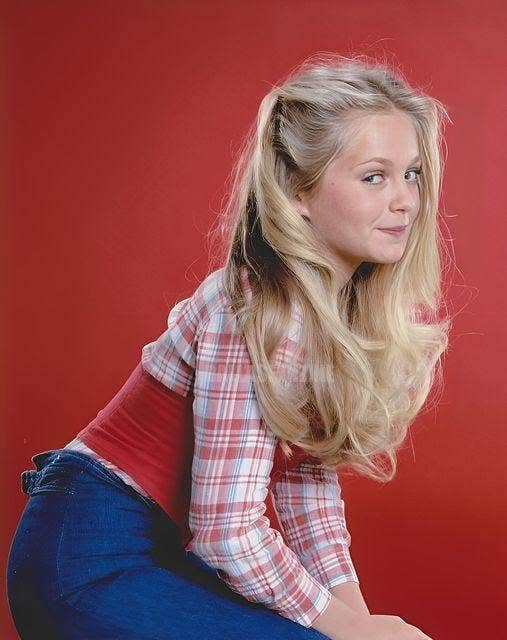
Growing Up Without Her Biological Father
Tilton also grew up without a relationship with her biological father, an Air Force pilot who left before she was born.
She said he never contacted her during her childhood and made no attempt to connect with her after she became famous. Even as Dallas turned her into a household name, the public attention surrounding her career did not lead to a reunion.
Years later, DNA testing connected Tilton with three half-siblings whose existence had previously been unknown to her. The discovery finally gave her access to information about the paternal side of her family.
However, the results arrived too late for her to meet her father. She learned that he had died only months before the family connection was confirmed.
The timing closed the possibility of asking him questions, hearing his explanation or building any form of relationship. Despite that disappointment, Tilton has said she chose not to build her life around anger or resentment.
Movies Offered an Escape From Reality
During the most difficult years of her childhood, film became a source of comfort and emotional escape.
Tilton was especially captivated by classic movies featuring Julie Andrews. The warmth and reassurance she saw on screen represented the kind of stable, caring home life she longed to experience herself.
Movies allowed her to imagine a world beyond poverty, psychiatric emergencies and uncertain living arrangements. They showed her characters who could sing, perform and transform hardship into something hopeful.
That emotional connection helped inspire her interest in acting. Entertainment was not simply a career ambition; it became a way of envisioning a different future.
While the circumstances surrounding her remained difficult, performance gave her a sense of possibility. It offered a path toward independence and a place where she could channel the emotions she had learned to keep hidden.
Life Remained Difficult After Reuniting With Her Mother
Tilton eventually reunited with her mother in California, but the reunion did not bring the stability she had hoped for.
Their living conditions were extremely poor, and her mother’s illness continued to affect the household. Everyday routines could become chaotic, and the home was not always maintained in a safe or sanitary condition.
Tilton rarely invited classmates to visit because she feared they would discover how she lived. The secrecy added another layer of isolation to a childhood already shaped by uncertainty.
At the time, mental illness carried significant social stigma. Psychiatric disorders were rarely discussed openly, and families were often left to manage serious conditions without broad public understanding or meaningful emotional support.
For Tilton, that silence meant carrying fear and embarrassment while trying to appear normal outside the home. She had to balance concern for her mother with the desire to protect herself from judgment.
Those experiences contributed to her ability to function under pressure. She became skilled at hiding personal distress, staying focused and finding opportunities even when her home life remained unstable.
Dallas Changed Her Financial Future
Tilton’s major breakthrough arrived in 1978 when she was cast as Lucy Ewing on Dallas.
The role brought her national recognition and transformed her financial circumstances. As the series became a major primetime success, Tilton emerged as one of its best-known performers.
For someone who had grown up without dependable security, earning a substantial television salary represented an extraordinary change. She was finally able to support herself and provide assistance to the people who depended on her.
Professional success, however, did not erase the pressures in her personal life. Her mother’s psychiatric struggles continued even as Tilton’s career expanded.
Katherine sometimes sent unusual letters to the program’s producers, creating situations that Tilton had to manage while maintaining her responsibilities on set.
The actress was building a public image associated with glamour, wealth and one of television’s most famous fictional families. Away from the cameras, she was still dealing with the effects of the illness and instability that had defined her childhood.
Supporting Two Generations of Her Family
Although Tilton was earning a strong salary, much of her income went toward supporting her daughter and her mother.
The financial responsibilities were considerable. Instead of being able to focus solely on preserving her own wealth, she was providing for two generations of her family.
Over time, financial strain contributed to the foreclosure of her home. The loss forced her to rebuild after reaching a level of success that many people assumed would guarantee lasting security.
The experience demonstrated how different private reality can be from public perception. Fame had given Tilton opportunities, but it had not protected her from family obligations, financial setbacks or emotional exhaustion.
Starting again required the same determination she had developed as a child. She relied on the independence formed during years of being moved between relatives and living in unstable conditions.
Heartbreak Beyond Her Professional Life
Tilton also faced painful losses in her personal relationships.
Her marriage to country singer Johnny Lee ended, adding another difficult transition to a life already marked by separation and change.
She later built a life with cinematographer Cheddy Hart, but their future together ended unexpectedly when he died in 2009.
The death of her fiancé left Tilton overwhelmed by grief. After years of surviving childhood hardship, family illness and financial pressure, she found herself struggling to regain a sense of direction.
For a period, the loss affected her ability to move forward. The optimism that had helped her endure earlier challenges became harder to access.
A renewed sense of purpose eventually came through volunteer work with Actors for Autism. Helping others allowed her to reconnect with the value of service and reminded her that her experiences could be used in a meaningful way.
Choosing Optimism Instead of Resentment
Despite the pain associated with her childhood, Tilton has resisted defining herself through bitterness.
She credits her optimistic outlook with helping her survive situations that might otherwise have left her emotionally defeated. That outlook did not erase the hardship, but it gave her a way to continue moving forward.
Her reflections reveal a life shaped by repeated tests of endurance. She experienced parental abandonment, severe mental illness within her family, unstable housing, poverty, public fame, financial loss and profound grief.
Each challenge required her to rebuild a sense of security. Sometimes that meant working toward financial independence, while at other times it meant finding emotional purpose after personal tragedy.
Tilton’s approach has been to acknowledge what happened without allowing those experiences to control every chapter that followed.
Finding Gratitude in a New Chapter
Today, Tilton says she values the time she spends with her grandsons and appreciates the calmer rhythm of her current life.
She continues to act in occasional faith-based projects while embracing opportunities that allow her to work without losing sight of family and personal fulfillment.
Her life now stands in sharp contrast to the uncertainty of her early years. The child who once moved between relatives and feared classmates discovering her living conditions became a successful actress, mother and grandmother.
Looking back, Tilton believes that every hardship contributed to the resilience she later needed. The painful experiences did not disappear, but they became part of the strength that carried her through changing careers, relationships and family responsibilities.
Her story also highlights the hidden struggles that can exist behind a familiar public image. While audiences knew her as the spirited Lucy Ewing, the actress behind the character was navigating responsibilities and memories far removed from the glamorous world shown on television.
Tilton’s reflections present a portrait of someone who endured difficult circumstances without allowing them to eliminate her capacity for hope. Through independence, work, family and service, she continued creating stability after growing up with very little of it.
Now in a more peaceful stage of life, she views survival not as a single victory but as a series of choices made over many decades. Her journey from an unstable childhood to television fame and later personal renewal remains a testament to the resilience that shaped both her private life and her public career.