
Double Big Mac Heads to U.S. Menus and Reignites the Debate Over Fast-Food Excess
Why the Double Big Mac Is Dividing American Fast-Food Fans
McDonald’s is preparing to bring one of its largest Big Mac variations to customers in the United States, setting off a fresh debate about indulgence, portion sizes, nutrition, and the changing expectations surrounding fast food.
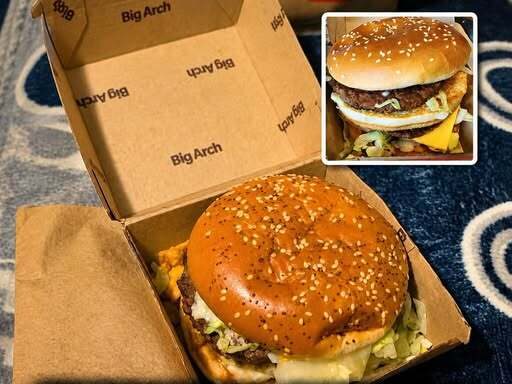
The Double Big Mac, a towering version of the company’s familiar signature sandwich, features four beef patties along with the recognizable layers and Big Mac sauce associated with the original burger.
The oversized menu item has already attracted strong reactions before its American debut. Some customers see it as an exciting limited-time treat, while others view it as another example of fast-food portions becoming increasingly excessive.
With an estimated 680 calories, the burger is arriving at a time when many consumers are paying closer attention to what they eat, how much they spend, and whether restaurant portions reflect reasonable everyday choices.
A Bigger Version of a Familiar Fast-Food Classic
The Double Big Mac builds its appeal around recognition. Rather than introducing an entirely unfamiliar flavor, McDonald’s is expanding a sandwich that has long been associated with its brand.
The standard Big Mac is known for its layered construction, beef patties, sauce, and distinctive presentation. The Double Big Mac increases the amount of beef by using four patties, creating a taller and heavier version of the original.
For longtime customers, that familiarity may be central to the attraction. The burger offers the taste and structure they already know, but in a format designed to feel more dramatic and indulgent.
That combination of nostalgia and excess has helped the sandwich capture attention. It is recognizable enough to appeal to existing fans, yet unusual enough to generate curiosity among people who may not ordinarily discuss a fast-food menu launch.
The burger’s connection to Australia has also contributed to the interest surrounding its U.S. arrival. As an established item with experience in other markets, it enters the American fast-food conversation with an existing reputation for provoking both enthusiasm and criticism.
Excitement and Criticism Grow Side by Side
Reaction to the Double Big Mac has been sharply divided. Supporters are drawn to the idea of a larger, more filling version of a familiar favorite, particularly because it is expected to be offered for a limited period.
Limited-time menu releases often create urgency. Customers may feel encouraged to try an item while it is available, even when they would not choose something of that size as part of their normal routine.
For some diners, the Double Big Mac represents occasional indulgence rather than an everyday meal. Its size is part of the experience, and the appeal comes from choosing something intentionally excessive for a single visit.
Critics see the same qualities very differently. To them, four beef patties and a calorie count reaching 680 make the sandwich a symbol of a fast-food culture that continues to celebrate bigger portions.
The disagreement is not limited to personal taste. It reflects a broader divide over whether restaurants should simply offer what customers want or consider the public-health message communicated by increasingly large menu items.
That tension has made the Double Big Mac more than a routine product launch. The sandwich has become a talking point about freedom of choice, corporate responsibility, consumer demand, and the meaning of moderation.
The 680-Calorie Question
The Double Big Mac’s 680-calorie total is likely to remain one of the most discussed details of its American release. The number gives customers a clear indication that the burger is designed as a substantial meal rather than a light option.
Calories alone do not determine how every individual will view the sandwich. Some customers may consider the total acceptable for an occasional meal, while others may decide that it is more than they want from a single burger.
The discussion becomes more complicated when additional menu items are considered. A burger is often purchased with fries, a drink, or another side, meaning the total meal can be considerably larger than the sandwich by itself.
However, the Double Big Mac’s appeal depends partly on its scale. Reducing its size would remove the feature that separates it from the original Big Mac and gives the new release its attention-grabbing identity.
This creates a basic contradiction at the center of the product. The same feature that excites customers is also the feature that causes concern.
Health-focused criticism is therefore unlikely to disappear simply because the burger is a limited-time offering. The product arrives within an ongoing conversation about obesity, medical expenses, and the long-term consequences of eating patterns built around calorie-dense meals.
Why Nostalgia Remains a Powerful Selling Point
The emotional appeal of the Double Big Mac is not based only on hunger. For many people, the original Big Mac is connected to childhood visits, family routines, road trips, celebrations, or other ordinary memories tied to fast food.
By enlarging a familiar sandwich, McDonald’s is not merely offering more beef. It is presenting a louder and more exaggerated version of something customers may already associate with comfort and familiarity.
That sense of recognition can make the burger feel less like a completely new product and more like a special edition of a long-established favorite.
The sauce, stacked structure, and recognizable name allow customers to understand the experience before taking the first bite. The four patties then add the element of spectacle that helps distinguish the release from an ordinary menu order.
For supporters, the Double Big Mac may offer a brief escape from concerns about restraint, budgets, or carefully measured meals. It is designed to be messy, filling, and unapologetically indulgent.
For critics, that emotional marketing is precisely what makes the release troubling. A product linked to nostalgia can encourage consumers to focus on comfort and familiarity while paying less attention to portion size or nutritional concerns.
Price Could Shape the Public Response
The final price of the Double Big Mac will play an important role in how American customers respond. Even interested diners may hesitate if the burger carries a significantly higher cost than the standard version.
Fast food has traditionally been associated with convenience and affordability, but customers are increasingly sensitive to what they receive for the amount they pay.
A sandwich with four beef patties may appear to offer greater value because of its size. At the same time, an eye-watering price could turn a novelty item into a purchase that many consumers consider unnecessary.
The price debate is especially significant because the burger is arriving during a period when food expenses and medical bills are already part of daily concern for many households.
For customers with limited food budgets, the Double Big Mac may seem disconnected from conversations about affordability and food insecurity. Its large portion and indulgent image can appear especially striking when placed beside the reality that not everyone has reliable access to ordinary meals.
Others may argue that a limited-time restaurant purchase should not be treated as a statement about the wider economy. From that perspective, customers remain free to decide whether the burger is worth the cost.
A Symbol of America’s Complicated Relationship With Portion Size
The Double Big Mac arrives in a country where the idea of larger portions has long been connected to value, satisfaction, and choice.
For many consumers, receiving more food can feel like receiving a better deal. Restaurants understand that perception, and oversized items often gain attention because they appear to offer something beyond the ordinary menu.
Yet larger portions can also create pressure to consume more than a person originally intended. When size becomes part of the promotion, finishing the item may feel like part of the experience rather than a simple response to hunger.
The Double Big Mac sits directly inside that conflict. It can be viewed as a satisfying meal, a playful challenge, an occasional treat, or an unnecessary display of excess.
Its arrival does not create America’s debate over food and portion size, but it gives that debate a highly visible new symbol.
The burger’s construction is easy to understand, making the disagreement equally easy to express. Four patties can look exciting to one customer and alarming to another without either person needing to taste the sandwich first.
Limited-Time Status Adds to the Attention
The temporary nature of the release is likely to increase demand. Customers who are curious may feel they have only a narrow opportunity to decide whether the Double Big Mac deserves its reputation.
This sense of urgency can transform a menu item into a small cultural event. People may purchase it not only because they are hungry, but because they want to participate in the discussion surrounding it.
Some may share enthusiastic reactions, while others may use the burger as evidence that fast-food companies have moved too far toward spectacle and excess.
The divided response benefits the product’s visibility. Praise and criticism both keep the Double Big Mac in public conversation, ensuring that the release receives more attention than a typical menu update.
Its global history of delight and disgust suggests that the American reaction will not be uniform. The sandwich is likely to attract devoted fans, curious first-time buyers, health-conscious critics, and customers who reject it based on price or size.
More Than Another Burger Launch
At its simplest, the Double Big Mac is a larger version of a well-known McDonald’s sandwich. It contains four beef patties, Big Mac sauce, and the familiar elements that have made the original recognizable for generations of customers.
Its meaning, however, has expanded far beyond those ingredients. The burger has become a convenient way to discuss what consumers expect from fast food and how restaurants respond to competing demands.
Customers want convenience, flavor, value, and enjoyment. Many also want clearer nutritional awareness, manageable portions, and prices that feel reasonable.
The Double Big Mac attempts to satisfy the desire for excitement and indulgence, but it also exposes the conflict between pleasure and restraint.
Some people will see a fun, temporary meal built around a familiar favorite. Others will see a 680-calorie reminder of a food culture that often treats bigger as automatically better.
Both reactions help explain why the sandwich has gained so much attention before reaching U.S. menus.
Consumers Will Make the Final Decision
Ultimately, the success of the Double Big Mac will depend on whether enough customers believe the experience is worth the calories, price, and size.
McDonald’s can create curiosity through the burger’s reputation and limited availability, but individual diners will decide whether it becomes a celebrated favorite or a brief example of fast-food excess.
The release also highlights the power consumers hold over restaurant trends. Companies continue offering larger, bolder, and more unusual products when public interest creates demand for them.
At the same time, criticism can influence how such products are discussed and whether customers view them as harmless indulgence or irresponsible promotion.
The Double Big Mac therefore arrives as both a meal and a question. It asks whether a larger version of a classic is simply another choice on the menu or a sign that the competition for attention has pushed fast food toward unnecessary extremes.
There may be no single answer that satisfies everyone. Personal appetite, health priorities, financial circumstances, and emotional connections to the original Big Mac will all shape the response.
What is certain is that the four-patty sandwich has already achieved something important before its American debut. It has made people argue about more than taste.
In a country often associated with supersized portions, the Double Big Mac brings an old debate back to the table: how much is too much, and should that decision belong to restaurants, health experts, or the person placing the order?