
Why Some Coca-Cola Bottles Have Yellow Caps During the Spring Season
A Curious Detail on Store Shelves
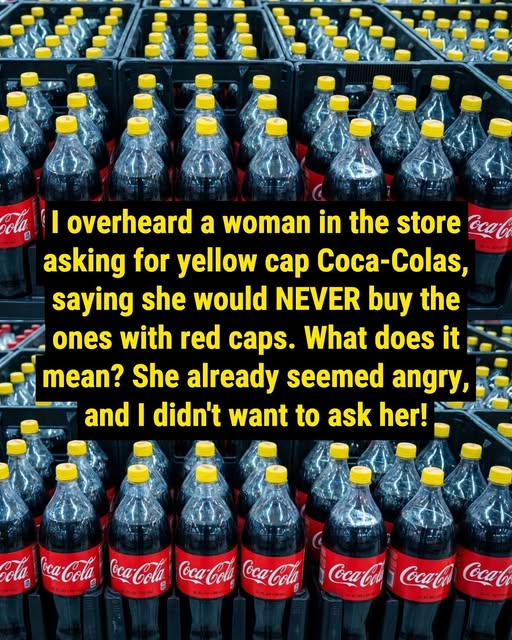
Many shoppers move through grocery store aisles on autopilot, grabbing familiar products without paying much attention to small changes in packaging. Occasionally, however, something unusual stands out. One such moment happens when a Coca-Cola bottle appears with a bright yellow cap instead of the familiar red.
At first glance, the change may seem random. Some people assume it might be a seasonal promotion or a limited edition design created for marketing purposes. Others simply notice the difference and continue shopping without giving it much thought.
In reality, the yellow cap is neither accidental nor purely decorative. It represents a carefully planned variation of the classic beverage, created to accommodate a specific religious tradition observed by millions of people.
A Global Brand With Deep History
Coca-Cola has existed since the late nineteenth century and has grown into one of the most recognizable beverage brands in the world. Over decades, the company has refined its recipes, packaging, and distribution while maintaining a product that remains instantly recognizable to consumers.
Despite its enormous global presence, the company occasionally makes subtle adjustments to meet cultural or regional needs. These changes are rarely dramatic and often pass unnoticed by many customers.
The yellow cap is one example of such an adjustment. It reflects a thoughtful modification to the drink’s ingredients, designed to align with religious dietary rules observed during a particular time of year.

The Connection to Passover
The yellow cap signals that the soda inside the bottle has been specially produced for Passover, an important Jewish holiday that occurs each spring. Passover commemorates a historic event and lasts seven or eight days depending on tradition.
During this period, Jewish dietary laws place strict limitations on what foods can be consumed or even kept in the home. These rules are part of long-standing religious practices that shape meals and food preparation during the holiday.
Observant households carefully examine ingredients to ensure that the foods they consume follow these guidelines. Even products that are normally considered acceptable throughout the year may require adjustments to meet Passover requirements.
Understanding Chametz
A key concept during Passover is the prohibition of chametz. Chametz refers to foods made from certain grains that have come into contact with water and begun to ferment.
The five grains included in this category are wheat, barley, spelt, oats, and rye. Foods derived from these grains must be avoided throughout the holiday.
For observant families, preparing for Passover involves carefully removing these ingredients from kitchens and replacing them with approved alternatives. The process is taken seriously and is a central part of the holiday preparation.

COURTESY @BILLLEHECKA/INSTAGRAM
The Role of Kitniyot
In addition to chametz, another category of foods becomes relevant during Passover: kitniyot. This group includes items such as rice, legumes, and corn.
Different Jewish traditions interpret the use of kitniyot differently, but many Ashkenazi communities avoid these foods during Passover. As a result, products containing corn or corn-derived ingredients are not considered suitable for the holiday in these households.
This detail becomes particularly important when looking at soft drinks produced in the United States.
The Sweetener Inside Standard Soda
Most Coca-Cola sold in the United States is sweetened with high-fructose corn syrup. This ingredient has been widely used for decades because it is cost-effective and provides the sweetness expected from the drink.
However, because corn is classified as kitniyot, beverages containing corn syrup may not meet Passover dietary standards for people who follow Ashkenazi traditions.
For consumers observing these guidelines, regular Coca-Cola would not be suitable during the holiday period.
A Temporary Ingredient Change
To accommodate this need, Coca-Cola produces a special batch of the beverage each year in which the corn-based sweetener is replaced with cane sugar. Cane sugar does not fall into the restricted categories and therefore complies with Passover dietary rules.
The beverage still resembles the familiar drink in appearance, flavor, and packaging. The key difference lies in the sweetener used in the formula.
This substitution allows observant consumers to enjoy the beverage during Passover without conflicting with their religious practices.
The Meaning Behind the Yellow Cap
To distinguish the Passover-approved version from the standard product, Coca-Cola uses a yellow cap on the bottle. This visual marker serves as a quick signal that the soda inside contains cane sugar rather than high-fructose corn syrup.
The bright color makes it easy for shoppers to identify the correct product on store shelves without needing to examine every ingredient label.
For those who observe Passover, the yellow cap has become a recognizable sign that the beverage meets the necessary dietary standards for the holiday.
Availability in Certain Regions
The yellow-cap Coca-Cola typically appears in stores several weeks before Passover begins. It is most commonly stocked in areas with significant Jewish populations.
Cities such as New York, Chicago, Los Angeles, and Miami often see these bottles appear in grocery stores as the holiday approaches. The product remains available for a limited time before quietly disappearing from shelves once the holiday season passes.
This temporary distribution pattern reflects the specific purpose of the product rather than a broader marketing campaign.
Does It Taste Different?
Some consumers claim they can detect a subtle difference between sodas sweetened with cane sugar and those made with high-fructose corn syrup. Enthusiasts often describe the cane sugar version as slightly smoother or cleaner in flavor.
Others notice little to no difference at all. For many people, the overall taste remains close enough to the classic formula that it feels essentially the same.
The experience ultimately depends on individual taste preferences. While the ingredient change is meaningful for dietary reasons, the company aims to preserve the familiar flavor associated with the brand.
Interest Beyond the Holiday
Interestingly, the yellow-cap bottles sometimes attract buyers who are not observing Passover at all. Some shoppers seek them out simply because they prefer beverages made with cane sugar.
Others purchase the soda out of curiosity after hearing about the ingredient change. Over time, the limited seasonal appearance has given the product a certain novelty.
Even so, the beverage remains fundamentally the same iconic drink people expect when they reach for a bottle of Coca-Cola.
No Premium Price
Despite being a specialized production run with a modified ingredient list, the yellow-cap Coca-Cola is generally sold at the same price as the regular version. The company does not position it as a premium or collector’s item.
This approach ensures that the product remains accessible to the people who rely on it during Passover.
Rather than turning the seasonal release into a marketing spectacle, the brand keeps the change relatively understated.
A Small Adjustment With Cultural Significance
The yellow cap represents more than just a packaging change. It reflects an effort to acknowledge the traditions and dietary practices of a specific community.
By modifying a global product in a simple but meaningful way, the company allows observant consumers to continue enjoying a familiar beverage during an important holiday.
This quiet accommodation has become a small but appreciated feature of the spring season for many shoppers.
A Subtle Sign With a Purpose
For people who recognize it, the bright yellow cap has become a signal that something slightly different lies inside the bottle. It indicates that the soda has been prepared in a way that respects a long-standing religious tradition.
For others encountering it for the first time, the cap may simply spark curiosity. Once its meaning becomes clear, the small detail takes on a deeper significance.
The next time a Coca-Cola bottle with a yellow cap appears on a store shelf, it represents more than a design change. It is a simple visual cue tied to tradition, dietary rules, and a thoughtful adjustment made for a brief moment each year.