
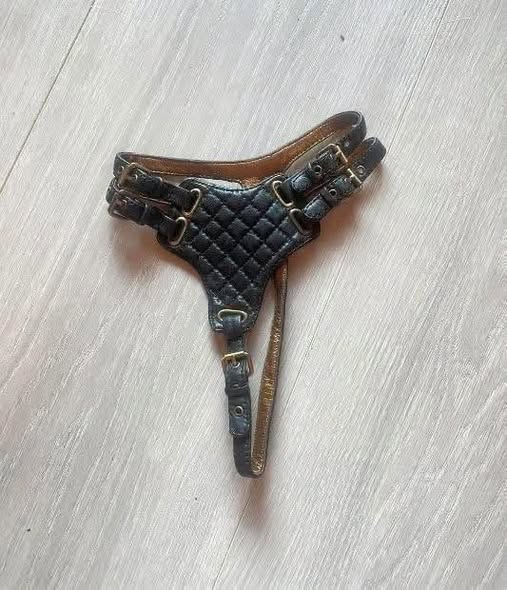
Vintage Boot Straps: A Small Western Accessory With a Lasting Story
From Practical Boot Detail to an Enduring Symbol of Rugged Style
Some vintage objects have a remarkable ability to bring the past back to life. Their worn surfaces, faded colors, and carefully made details often suggest years of travel, work, and personal memories.
An old leather suitcase covered with travel stickers may recall distant journeys. A pocket watch resting inside a wooden drawer can feel connected to another generation, while a pair of weathered cowboy boots may reflect years of use and adventure.
These items are valued for more than their age. They carry character, craftsmanship, and a sense of history that modern objects do not always possess.
Among the many small accessories connected to vintage clothing and footwear, the boot strap is often overlooked. It may appear simple, but its practical role and cultural meaning have helped it remain an enduring part of Western style, motorcycle fashion, and traditional leatherwork.
A Small Accessory With a Practical Beginning
At its most basic, a boot strap is a piece of leather, metal, or a combination of materials attached to or worn around a boot. Its original purpose was practical rather than decorative.
Boots were often made to fit securely around the foot and lower leg. This close fit could make them difficult to pull on, especially when the leather was new, stiff, or shaped for durability.
Straps gave the wearer something firm to hold while pulling the boot into place. The feature made dressing easier without requiring major changes to the boot’s overall construction.
Although small, the strap became an important part of the footwear. It could be simple and nearly hidden, or it could be made more noticeable through decorative leather, metal hardware, stitching, or other crafted details.
Over time, the boot strap developed an identity beyond its basic function. It became one of the many details that helped distinguish a carefully made pair of boots from ordinary footwear.
Connected to Western Heritage
Boots have long been strongly associated with Western clothing and rugged outdoor life. Their durable construction, high shape, and practical design made them suitable for demanding work and long periods of wear.
Within that tradition, boot straps became a familiar detail. They were part of footwear designed not only to look distinctive but also to function reliably in everyday conditions.
The Western connection helped give boot straps a sense of independence and strength. Even when separated from the original boots, vintage straps can still carry the atmosphere of open landscapes, hard work, and traditional craftsmanship.
Their surfaces may show creases, softened leather, faded finishes, or marks left by years of use. Rather than reducing their appeal, these signs of age often make them more interesting.
Every worn edge can suggest that the accessory was once part of someone’s daily routine. It may have belonged to a favorite pair of boots worn for work, travel, gatherings, or important personal moments.
This emotional connection is one reason vintage boot straps continue to attract collectors and people who enjoy Western-inspired design.
A Place in Motorcycle Culture
Boot straps also became connected to motorcycle culture, where durable clothing and strong personal style often come together. Boots are a natural part of that world because they offer a rugged appearance and a sense of protection.
Straps and metal details can strengthen the visual character of motorcycle footwear. They add texture, movement, and a handcrafted quality that matches leather jackets, belts, gloves, and other traditional riding accessories.
In this setting, the boot strap may be more visible than it was in purely practical footwear. Decorative hardware can become part of the wearer’s overall look rather than remaining a hidden functional element.
The connection with motorcycle culture also helped move boot straps beyond one specific type of clothing. They became associated with freedom, travel, individuality, and a style that does not depend on polished perfection.
A vintage strap with softened leather or aged metal can fit naturally into this aesthetic. Its imperfections help create authenticity rather than making the piece appear damaged or outdated.
The Appeal of Traditional Craftsmanship
One of the most attractive qualities of vintage boot straps is the craftsmanship found in many older examples. Small accessories were often made with careful attention to the strength of the leather, the placement of stitching, and the durability of metal parts.
Because boot straps were meant to be pulled, fastened, adjusted, or worn repeatedly, they needed to withstand regular pressure. Their construction had to balance flexibility with strength.
Vintage leather often develops a distinct surface as it ages. It may become smoother in some places, darker around the edges, or softer where it was handled most frequently.
Metal pieces can also change over time. Their original shine may become muted, creating a finish that gives the accessory additional depth and character.
These natural changes cannot always be reproduced convincingly in new items. A newly manufactured piece may copy the shape of a vintage strap, but genuine age creates details that develop only through time and use.
For people who appreciate handcrafted objects, a boot strap offers a small but meaningful example of practical design. It shows how even an everyday accessory could be made with care and intended to last.
Why Vintage Boot Straps Still Feel Relevant
Fashion changes constantly, but certain materials and design traditions remain appealing. Leather, aged metal, hand stitching, and Western details continue to appear in modern clothing and accessories.
Vintage boot straps fit naturally into this continuing interest. They can look historic without feeling completely disconnected from present-day style.
Their simple shape gives them flexibility. A strap can remain part of a boot, become a decorative accent, or be adapted into another type of personal accessory.
This versatility has helped prevent vintage boot straps from becoming forgotten objects. Instead of remaining hidden in storage, they can be given a new purpose while still preserving the character of the original material.
They also appeal to people who prefer items with individuality. No two aged straps are exactly alike because each has developed its own marks, tones, and signs of wear.
That uniqueness can make a repurposed accessory feel more personal than something produced in large quantities.
Finding Boot Straps in Unexpected Places
Vintage boot straps may be discovered in many ordinary locations. An old pair of boots stored in a grandparent’s closet may still have straps attached, even if the footwear itself is no longer suitable for regular use.
They may also appear in attics, storage trunks, flea markets, secondhand shops, or collections of old leather goods. Because they are small, they can easily be overlooked among larger objects.
Sometimes the boots receive all the attention while the straps are treated as minor pieces. However, the straps may contain some of the most decorative elements, including unusual stitching, buckles, rings, or shaped leather.
Removing or preserving them can allow part of the original item to survive even when the rest of the boot is too worn to restore.
Finding an old strap can also encourage curiosity about its past. The material, construction, and condition may suggest how often it was used and what type of style it once complemented.
Even when the full history is unknown, the accessory can still be appreciated as an object shaped by time.
Creative Uses Beyond the Original Boot
One reason vintage boot straps remain interesting is their ability to be repurposed. Their size and shape make them suitable for a variety of decorative and wearable ideas.
A leather strap may be adapted into a bracelet that wraps around the wrist. Existing buckles or fasteners can become part of the finished design, preserving the accessory’s original character.
Smaller pieces may work as key holders, bag accents, zipper pulls, or decorative loops. Metal details can add a rugged contrast to fabric, denim, or newer leather.
A longer strap can be attached to a handbag or used as an ornamental feature on a simple accessory. Its aged surface can immediately give a modern item a more distinctive appearance.
Vintage boot straps may also be displayed rather than worn. A small collection can be arranged with other Western objects, old tools, leather goods, or family keepsakes.
The goal of repurposing does not have to be complete transformation. In many cases, the most successful use allows the original stitching, buckle, shape, and signs of age to remain visible.
Blending Rugged History With Modern Fashion
Modern fashion often combines pieces from different periods. A contemporary outfit may include a vintage belt, an old piece of jewelry, or a worn leather accessory that adds contrast and personality.
Boot straps work well in this type of styling because they are visually strong without being overly large. They can introduce a Western or motorcycle-inspired detail in a subtle way.
A repurposed strap may be paired with simple clothing so that its texture becomes the main point of interest. It can also complement denim, boots, jackets, and other pieces with a rugged appearance.
The aged quality of the material can soften a highly polished outfit. It creates a sense that the wearer has chosen something personal rather than following a temporary trend.
At the same time, vintage boot straps do not need to be limited to traditional Western clothing. Their neutral leather tones and metal details can fit into many different personal styles.
This adaptability explains why an accessory from the past can still feel fresh when used thoughtfully today.
Preserving Character While Creating Something New
Repurposing a vintage object requires a balance between creativity and preservation. The goal is often to make the piece useful again without removing the features that made it special.
With boot straps, the original surface is an important part of the appeal. Fading, creasing, softened edges, and aged metal all contribute to the story of the item.
Excessive alteration can erase those qualities. A simple approach usually allows the material to remain recognizable while giving it a new function.
Keeping original buckles, loops, or stitching can help preserve the historical feeling of the strap. Even minor imperfections may deserve to remain because they show that the piece was genuinely used.
The result can be both practical and meaningful. A forgotten part of an old boot becomes an accessory that can be carried, worn, or displayed for years to come.
More Than a Forgotten Piece of Leather
Vintage boot straps demonstrate how small objects can contain surprising cultural value. They began as practical features that helped people handle and wear their boots more easily.
Through their connection with Western heritage, motorcycle culture, and traditional craftsmanship, they gradually became recognizable style elements in their own right.
Their continuing appeal comes from more than appearance. They represent durability, individuality, and the beauty that ordinary materials can develop through years of use.
Today, these straps can remain attached to treasured boots or find new life as bracelets, bag accents, key accessories, display pieces, and other creative designs.
They offer a way to combine history with personal style without hiding the marks of age that make them unique.
An old boot strap found in a drawer, closet, attic, or flea market may appear insignificant at first. A closer look can reveal careful construction, cultural meaning, and unexpected possibilities.
Like the faded suitcase, the quiet pocket watch, and the weathered pair of cowboy boots, it carries a connection to another time. Its story may be small, but it is still worth preserving.