
What Silverfish in Your Home May Be Quietly Telling You
Understanding the Small Silver Insects That Appear Indoors
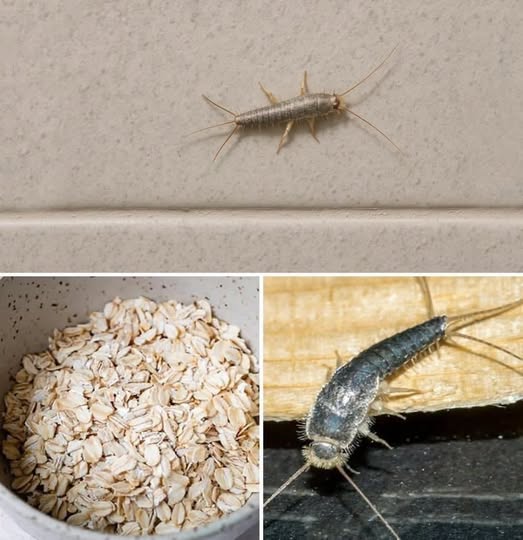
Silverfish are tiny, silver-colored insects that are scientifically known as Lepisma saccharina. Their unusual shape, quick movements, and tendency to disappear into dark corners can make them seem more alarming than they actually are.
A silverfish may suddenly dart across a floor, vanish beneath an object, or retreat into a shadowed area before anyone has time to examine it closely. Because of this behavior, the first sighting often creates concern that a serious pest problem may be developing inside the home.
However, seeing one of these insects does not automatically mean that a property has a major infestation. Their appearance is often more useful as an environmental clue than as evidence of an immediate threat.
Silverfish are naturally drawn to areas that provide the damp, sheltered, and comfortable conditions they prefer. When they appear indoors, they may simply be responding to a part of the home that offers this type of environment.
Why Their Appearance Can Cause Unnecessary Alarm
Many people react strongly to silverfish because they move quickly and look very different from common household insects. Their silver coloring and sudden movements can make them appear more dangerous than they are.
The fact that they often emerge from dark areas can also increase concern. A person may see one insect and immediately assume that many more are hiding nearby.
Although additional silverfish may sometimes be present, a single sighting should not be treated as proof that the entire home has a serious pest issue. It is more helpful to examine the conditions in the area where the insect appeared.
The presence of moisture, limited airflow, darkness, and sheltered spaces can make certain parts of a home more attractive to silverfish. Correcting these conditions may naturally reduce the chance of seeing them again.
Silverfish Are Harmless to People
Despite their strange appearance, silverfish are completely harmless to humans. They do not bite, and they do not attack people or household animals.
They are also not known for spreading diseases. This makes them very different from pests that may create direct health concerns inside living spaces.
A silverfish moving across the floor may be unpleasant to see, but it is not attempting to harm anyone. Its main goal is usually to escape into a dark and protected location.
Understanding this can make it easier to respond calmly. Instead of viewing the insect as an immediate danger, homeowners can treat the sighting as a reason to inspect the surrounding environment.
Their Presence Does Not Mean a Home Is Dirty
Finding silverfish can feel embarrassing because household insects are often associated with poor cleaning. In this case, that assumption is misleading.
Silverfish are not necessarily attracted to a home because it is dirty or poorly maintained. Even a clean and organized property can contain damp, dark, or cozy areas that provide suitable conditions for them.
A bathroom, storage space, corner, or other sheltered location may remain slightly damp even when the rest of the home is carefully cleaned. Silverfish respond to those environmental conditions rather than to a judgment about overall cleanliness.
For this reason, their presence should not be treated as a sign of personal failure. It is simply an indication that one or more parts of the home may be offering the kind of surroundings they prefer.
A Quiet Warning About Damp Areas
One of the most useful ways to interpret a silverfish sighting is to view it as a quiet warning about moisture. The insect may be revealing a damp area that has not yet attracted attention.
Moisture can remain in small corners, enclosed spaces, or areas that are not regularly checked. A silverfish appearing nearby may encourage a closer inspection of those locations.
This does not mean that severe damage or a major household problem is present. It simply means that the area may benefit from becoming drier, brighter, cleaner, or better ventilated.
By responding to the underlying conditions, homeowners can make the space less attractive to silverfish while also improving the overall comfort of the home.
Why Dark and Cozy Spaces Attract Them
Silverfish prefer places where they can remain hidden and undisturbed. Dark corners offer protection and allow them to move without being easily noticed.
They may quickly retreat when lights are turned on or when people enter the room. Their sudden movement is a natural attempt to return to shelter.
Cluttered or rarely disturbed areas can provide additional hiding places. Keeping these spaces open, orderly, and regularly checked can make them less comfortable for the insects.
The goal is not to create an extreme or sterile environment. Small improvements in airflow, dryness, organization, and regular cleaning can often make a meaningful difference.
Harsh Chemical Sprays Are Not Always Necessary
The sight of an insect can create an immediate desire to use a strong chemical product. However, getting rid of silverfish does not always require harsh sprays.
Because they are harmless to humans and are attracted to particular environmental conditions, changing those conditions can be a practical first response.
Natural household practices can make the home less inviting without filling indoor spaces with unnecessary chemicals. This approach focuses on prevention rather than repeatedly reacting after another insect appears.
Reducing dampness, allowing air to circulate, cleaning hidden areas, and limiting undisturbed hiding places can all contribute to a less welcoming environment.
Keeping Indoor Areas Dry and Comfortable
A drier home is generally less attractive to silverfish. Areas where moisture tends to remain should be checked regularly and allowed to dry whenever possible.
Small amounts of dampness may not always be obvious. A surface can appear clean while the surrounding air or nearby corners remain humid and sheltered.
Improving airflow can help prevent enclosed spaces from remaining damp for long periods. Opening up an area and allowing it to breathe can make it less suitable for insects that prefer cozy conditions.
Regular attention is more effective than waiting until several silverfish are noticed. Simple preventive habits can reduce the chance that these insects will continue returning.
Cleaning Hidden and Undisturbed Corners
Routine cleaning often focuses on the most visible parts of a room. Floors, counters, and open surfaces may receive regular attention while narrow gaps and dark corners remain undisturbed.
These overlooked areas can provide the sheltered environment silverfish prefer. Including them in normal household cleaning can make a room less appealing.
Moving lightweight objects, checking behind stored belongings, and cleaning around the edges of rooms can reduce the number of quiet hiding places.
This does not require constant deep cleaning. A consistent routine that reaches less visible spaces can be enough to change the conditions that encouraged the insects to remain there.
Reducing Clutter Without Creating Extra Stress
Clutter can create many small, dark spaces where silverfish can retreat. Organizing stored items may therefore help reduce the number of comfortable hiding places available to them.
The process does not need to be completed all at once. One small area can be addressed at a time, especially in rooms where silverfish have already been seen.
Keeping belongings arranged neatly also makes it easier to notice dampness or other environmental changes. Hidden moisture is more difficult to identify when an area is crowded and rarely inspected.
A cleaner, more organized space can therefore support both prevention and early detection. It becomes easier to understand why the insects appeared and what changes may discourage them.
Responding Calmly to a Silverfish Sighting
When a silverfish appears, there is no need to panic. The insect is not dangerous, and its presence does not automatically mean the home has a serious problem.
The first step is to notice where it was found. A damp, dark, or sheltered area may explain why it appeared in that particular location.
The surrounding space can then be cleaned, dried, and checked for conditions that may be attracting additional insects. This response addresses the likely cause instead of treating the sighting as an isolated event.
If the same area remains damp and undisturbed, silverfish may continue finding it comfortable. If those conditions change, the location becomes less inviting.
Creating a Healthier Living Environment Naturally
The natural practices used to discourage silverfish can also improve the home in broader ways. Better airflow, less dampness, cleaner corners, and reduced clutter can make living spaces feel fresher and more comfortable.
This is one reason a silverfish sighting can be viewed as useful information. The insect may draw attention to an area that would benefit from simple household care.
Instead of relying immediately on harsh chemical treatment, homeowners can begin by improving the environment. This approach is gentle, practical, and focused on long-term prevention.
The changes do not need to be complicated. Consistent attention to moisture and hiding places may be enough to reduce future sightings.
When Repeated Sightings Deserve More Attention
One silverfish does not necessarily indicate a major pest problem. Repeated sightings, however, may suggest that favorable conditions remain somewhere in the home.
In that situation, it is helpful to inspect more than the exact spot where each insect was seen. Nearby corners, enclosed spaces, and damp areas may be contributing to the pattern.
The important point is that the insects are responding to their environment. Removing the conditions they prefer is often more useful than focusing only on the individual silverfish that become visible.
Regular observation can help identify which household changes are working. If sightings become less frequent after an area is dried, cleaned, or opened to better airflow, the environment was likely an important factor.
Silverfish Are More of a Signal Than a Threat
Silverfish may look unsettling, but they are not a danger to the people living in the home. They do not bite, spread disease, or prove that a property is dirty.
Their presence is better understood as a signal that a particular location may be damp, dark, sheltered, and comfortable for them.
By paying attention to that message, homeowners can respond with simple natural practices. Drying damp areas, improving airflow, cleaning hidden corners, and reducing clutter can make the home less inviting.
These steps can also support a cleaner and healthier indoor environment without immediately turning to harsh chemical sprays.
The next time a small silver insect darts across the floor, the sight may still be surprising. However, it does not need to create fear.
A calm inspection and a few practical household changes may be all that is required. Silverfish are not a sign of danger, but they can be a helpful reminder to pay closer attention to the quiet, damp corners of the home.