
The Empty Plastic Bottle Laundry Hack: What It Claims to Do and the Risks to Consider
Why People Are Putting Plastic Bottles in Washing Machines
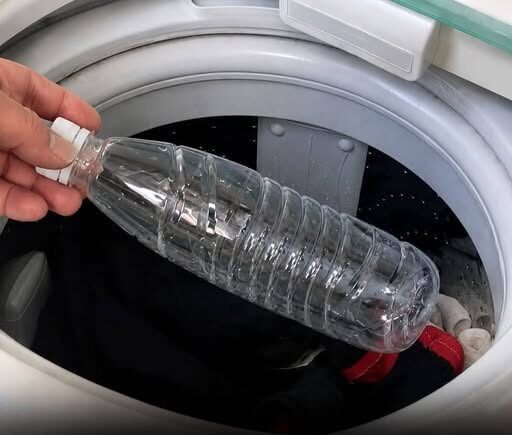
An unusual laundry method involving an empty plastic bottle has recently attracted attention online. The technique involves placing a clean, tightly sealed bottle directly inside the washing machine drum before starting a normal wash cycle.
People who support the method believe the bottle moves between garments as the drum rotates. That movement is thought to prevent clothing, towels, sheets, and other fabrics from becoming tightly tangled during washing.
The idea is simple and does not require a special laundry product. A household bottle that would otherwise be thrown away is cleaned, closed securely, and added to the load.
Although the method has generated interest, its claimed advantages are largely based on individual experiences shared online. There is no scientific research confirming that an empty plastic bottle consistently improves washing results.
How the Bottle Is Supposed to Affect the Wash Cycle
During a wash cycle, clothing repeatedly lifts, falls, and moves through water and detergent. Depending on the size of the load and the types of fabric being washed, items may wrap around one another or form a heavy bundle.
A sealed plastic bottle is supposed to create an additional moving object inside the drum. As the machine turns, the bottle may shift between fabrics and temporarily push some items apart.
Supporters believe this added movement helps stop long garments, sheets, or sleeves from twisting together. When fabrics remain more separated, they may come out of the machine with fewer deep folds and tightly compressed wrinkles.
The bottle does not remove wrinkles in the same way that ironing or steaming does. Instead, the claimed benefit is connected to reducing the amount of twisting and compression that occurs while the clothes are being washed.
Results may be different from one load to another. A small bottle in a large machine may have little noticeable effect, while a bottle placed in an overfilled drum may not move freely enough to separate anything.
Claims About Reducing Tangled Clothes
Tangled laundry is a common issue, especially when washing sheets, shirts, blankets, or clothing with long straps and sleeves. Items can become wrapped together as the drum changes direction and moves through different stages of the cycle.
When fabrics twist into a compact bundle, some areas may remain pressed together. This can make the load harder to remove and may leave certain pieces more wrinkled than expected.
The empty-bottle method is intended to interrupt that process. By rolling and shifting through the load, the bottle may create small gaps between fabrics as they move.
However, the bottle’s movement cannot be controlled. It may travel through the load during one part of the cycle and remain trapped between larger items during another.
This means the method cannot guarantee that shirts will remain untangled or that sheets will come out evenly separated. The outcome depends heavily on how the laundry moves inside a particular machine.
Possible Effects on Wrinkles
Deep wrinkles often form when wet fabrics remain twisted, folded, or compressed for an extended period. Heavy materials can press lighter garments into tight shapes during both washing and spinning.
Supporters of the bottle trick claim that improved fabric separation may reduce this pressure. If clothing is able to move more independently, it may leave the drum with fewer severe creases.
Even when the method appears helpful, it does not replace proper laundry handling. Leaving wet clothes inside the washing machine after the cycle finishes can still allow wrinkles to become more noticeable.
Fabric type also matters. Some materials naturally wrinkle more easily than others, regardless of whether an additional object is placed in the drum.
Cycle selection can influence the final condition of the load as well. Strong spinning, crowded washing conditions, and bulky combinations of fabrics can all contribute to twisting and creasing.
Why Some People Use the Trick for Bulky Loads
Blankets, comforters, and other large items can fold over themselves inside a washing machine. When this happens, water and detergent may not move through every part of the fabric in the same way.
The plastic bottle is believed to provide extra movement that helps open temporary spaces within bulky loads. These spaces may allow water and detergent to circulate more freely around the material.
That benefit remains uncertain because large items can easily trap the bottle. Once caught inside a folded blanket or comforter, it may stop moving and provide little practical effect.
The size of the washing machine is especially important when cleaning bulky laundry. A drum must have enough open space for the fabric to lift, fall, and circulate during the wash.
Adding a bottle does not create more room inside an overloaded machine. If the drum is already packed tightly, the bottle may increase crowding rather than improve fabric movement.
A Simple Form of Household Reuse
Another reason the hack appeals to some households is that it offers a temporary way to reuse a plastic item. Instead of immediately discarding an empty bottle, it is given another household purpose.
This reuse is limited because a bottle may eventually weaken, crack, or lose its shape. Repeated exposure to movement and pressure inside the washing machine can affect its condition.
A bottle should not be treated as a permanent laundry accessory. It must be inspected before every use to make sure the plastic remains strong and the cap still closes securely.
Any bottle showing cracks, dents, sharp edges, or damage should not be placed in the machine. A weakened item could break apart or leak during the cycle.
The bottle must also be completely empty and clean. Residue from drinks, cleaners, oils, or other substances could contaminate clothing or leave unwanted material inside the drum.
Why the Results Vary So Widely
Online experiences with this technique are inconsistent because washing conditions differ from one household to another. Machine design, drum capacity, load size, fabric weight, and cycle speed can all influence the result.
A bottle may move actively in a lightly filled drum but remain nearly motionless in a load containing thick towels. It may separate a few items during one wash and become trapped underneath clothing during the next.
The shape and size of the bottle may also affect its movement. A bottle that is too large may create excessive noise, while a very small bottle may have little effect on heavier fabrics.
Different wash cycles create different levels of motion. A gentle cycle may not move the bottle enough to produce the claimed separation, while a stronger cycle may cause repeated banging against the drum.
Because so many variables are involved, a positive experience in one washing machine does not mean the method will work the same way in another.
Potential Noise and Machine Damage
The most obvious concern is the sound created by a plastic bottle striking the inside of the washing machine. Some movement may produce only light tapping, but stronger spinning can cause louder and more frequent banging.
Excessive impact could place unnecessary stress on the bottle, the drum, or other internal parts. The risk may increase when the bottle has little cushioning from surrounding fabrics.
A loose cap creates another possible problem. If the bottle opens, water can enter and change its weight while the machine is running.
A damaged bottle could also develop rough edges or break into pieces. Plastic fragments inside the drum could become caught in fabrics or interfere with the washing process.
For these reasons, the method should never be attempted with a brittle, crushed, punctured, or poorly sealed bottle. A bottle that appears safe before washing should still be checked carefully afterward.
Basic Precautions for Anyone Trying the Method
Only a clean and undamaged plastic bottle should be considered. The cap must fit properly and remain tightly closed throughout the cycle.
The drum should not be overloaded. Clothes and larger fabrics need enough room to move, and the bottle requires open space if it is expected to create any separation.
Users should pay attention to unusual noise after the cycle begins. Loud or repeated banging may indicate that the bottle is striking the drum too forcefully.
The machine should not be left completely unattended during an initial attempt. Monitoring the sound and movement can help identify a problem before the cycle continues for an extended period.
The bottle should be removed as soon as the washing cycle ends. It should then be checked for cracks, loosened parts, or any change in shape before it is considered for another use.
Traditional Laundry Practices Remain More Reliable
Although the bottle method may appear convenient, familiar laundry practices offer more predictable results. Sorting clothing by fabric type and weight can reduce the likelihood that light garments will become trapped inside heavier items.
Avoiding overload is one of the most important steps. When the drum has sufficient space, water, detergent, and fabrics can move more evenly throughout the cycle.
Choosing an appropriate cycle can also help protect fabrics from unnecessary twisting. Bulky items may require different handling than ordinary shirts, towels, or lightweight bedding.
Removing clothes promptly after washing can reduce the time wet fabrics remain compressed. Shaking out shirts, sheets, and other items before drying may also help release folds created during the spin cycle.
Dryer balls remain a more established option for helping separate fabrics during drying. Unlike an improvised plastic bottle placed in the washer, they are intended to move through laundry loads.
A Popular Idea With Uncertain Benefits
The empty plastic bottle laundry trick has gained attention because it is simple, inexpensive, and easy to understand. Its popularity also reflects continued interest in household methods that reuse common items.
The proposed explanation is that the bottle adds movement, separates fabrics, reduces tangling, and improves the circulation of water and detergent. Some users may notice a difference under certain washing conditions.
However, the claimed benefits are not supported by scientific research. Personal anecdotes cannot establish that the method is consistently effective or suitable for every washing machine.
The possibility of excessive noise, bottle damage, or impact against the drum should not be ignored. Even a simple household object can create problems when placed inside machinery that moves at high speed.
Careful sorting, sensible load sizes, appropriate wash settings, and proper laundry accessories remain more dependable choices. The plastic bottle method may continue circulating as an online hack, but it should be approached cautiously rather than treated as a proven laundry solution.