
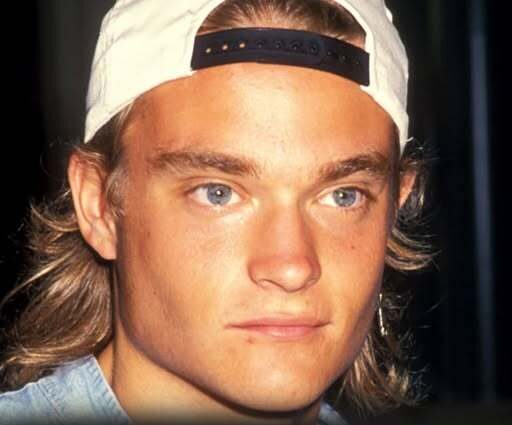
Chad Allen Left Teen Stardom Behind to Build a New Life Helping Others Heal
A Familiar Face in American Living Rooms
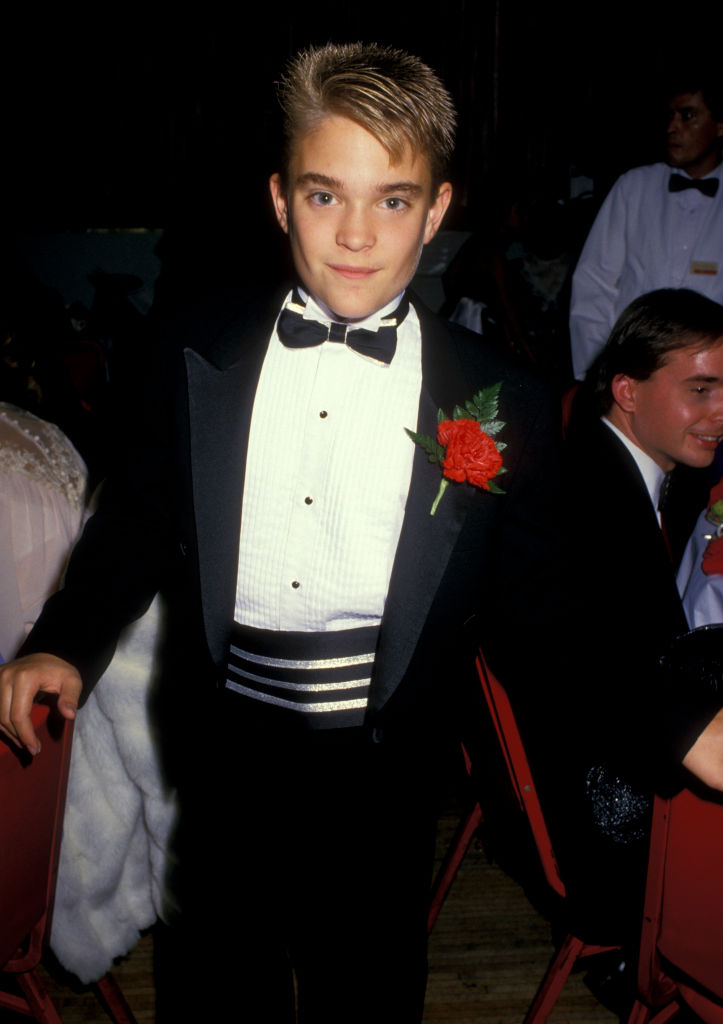
During the 1980s and early 1990s, Chad Allen became one of the most recognizable young actors on American television. His youthful smile appeared in magazines, promotional photographs, interviews, and popular family programs watched by millions of viewers.
To the public, he seemed confident, successful, and perfectly suited for life in Hollywood. Behind that polished image, however, was a child trying to understand himself while carrying responsibilities that most people do not face until adulthood.
Allen was born in 1974 and began acting professionally when he was only eight years old. Long before he was old enough to drive, he was already working full-time, memorizing scripts, attending auditions, and moving from one television production to another.
The entertainment industry presented him as an adorable and dependable young star. Yet the difference between his public image and his private identity became increasingly difficult to manage as he grew older.
Beginning a Professional Career at Eight
One of Allen’s earliest roles came on the medical drama St. Elsewhere, where he portrayed a young autistic boy. Preparing for the part required him to think carefully about how a child might experience a private inner world that others could not easily see.
His mother helped him understand the character by explaining that children with autism may become absorbed in worlds of their own. Allen connected that description to his own active imagination.
“And I understood that. I would sit there and have this whole world going on in my head. I’d be following the patterns on the wall, and in my head there was an imaginary war going on between the shapes,” he once reflected.
The performance became an important early step in his career. He later appeared in an early episode of Airwolf and received a nomination for ”Best Young Actor: Guest in a Series.”
More opportunities quickly followed. Allen became known for roles in family television dramas including Our House and My Two Dads, establishing him as one of the era’s most visible child performers.
While other children spent their days in classrooms, playgrounds, and school activities, Allen’s schedule revolved around studios, rehearsals, publicity appearances, and production deadlines. Acting was no longer simply an enjoyable activity. It had become a demanding profession.

Growing Up While Playing Pretend
Allen possessed a natural ability to perform, and that talent helped support a growing entertainment business around him. As his career expanded, more people became financially and professionally connected to his continued success.
“I played pretend, and I was good at playing pretend… and all of a sudden people were making a lot of money, and I didn’t want to do it anymore,” he recalled years later.
He still cared deeply about acting, but the lifestyle surrounding it left him feeling confined. The freedom of an ordinary childhood was replaced by obligations normally associated with adult employment.
Studios needed him to arrive prepared. Publicists expected him to present a carefully managed personality. Interviews required enthusiasm, while photo shoots helped maintain the image of a cheerful and approachable teenage idol.
As he entered adolescence, the public version of Chad Allen became increasingly separate from the person he felt himself becoming. His image was shaped by professionals who understood how to market a young television star, but that process gave him little space to explore his own identity privately.
“He was very well put together, and I wanted to get to know him,” he once said of his public persona.
Walking Away for a Normal Teenage Life
At 16, Allen made a significant decision. He stepped away from Hollywood and attempted to experience the kind of teenage life that had largely been unavailable to him.
He enrolled in high school and joined the drama club, an environment that felt very different from professional television production. He said he joined mostly “because it was for the rejects, the gay kids, very uncool”.
Instead of performing for ratings, publicity, and commercial success, he found himself surrounded by students using theater as a place for creativity and belonging. The experience helped him reconnect with acting in a more personal way.
“I discovered that I liked the world of the theater, which was so different from the world of the teen star.”
The move did not erase the pressures he had carried since childhood, but it allowed him to see that performance could exist beyond the highly controlled structure of celebrity culture.
Private Struggles Behind Continued Success
Allen had been raised in a devout Catholic household shaped by discipline and religious devotion. As he moved into adulthood, questions about identity, family expectations, fame, and personal purpose became increasingly difficult for him to manage.
Alcohol eventually became a serious problem. Although he remained known for his professional work, his private life was becoming more isolated and unstable.
“At the end of the day, I was alone, and I couldn’t stop drinking…
His condition deteriorated until he found himself alone in his Malibu condominium, isolated from people who cared about him and dangerously close to losing his life.
A close friend, actress Heather Tom, eventually walked away. Her decision became a painful turning point that forced Allen to recognize the seriousness of what was happening.
He faced a choice between continuing on a destructive path and beginning the difficult process of recovery. Entering recovery gave him a new understanding of the value of human connection, accountability, and service.
Helping others became an important part of his healing. That realization would later influence the direction of his life far beyond acting.
A Private Moment Became Public
Allen’s personal life was exposed in 1996, when he was 21 and appearing in Dr. Quinn, Medicine Woman. A U.S. tabloid published photographs of him kissing another man in a hot tub during a party.
The images had been sold by someone who claimed to be a friend of the couple. They were published alongside rumors Allen described as fabricated, turning a private moment into a national entertainment story.
“So I was scared. Just scared,” he said.
He did not want to deny who he was, but he also did not want his identity transformed into a headline controlled by strangers. Some people in his personal life already knew he was gay, while others had never discussed the subject with him.
”There were certainly plenty of people in my life who didn’t know I was gay, because they never cared to ask or weren’t close enough to me, but there were plenty of people who already knew,” he said.
Managers, lawyers, and television executives began discussing how the situation should be handled. Allen refused to participate in a false public narrative created to protect a marketable image.
His colleagues on Dr. Quinn supported him, and he remained part of the family-oriented series. After the program ended, however, he found that professional opportunities had become much harder to secure.
Facing Pain Within His Family
The public exposure affected more than Allen’s career. It also forced difficult conversations with members of his family before he was emotionally prepared to have them.
“My dad couldn’t look me in the eye. And that hurt. Because a boy always wants his dad’s acceptance. And I knew I’d been lying to them”, the actor shared.
His mother also struggled to process the revelation. She cried and explained that she had assumed he was too attractive not to have a girlfriend.
For Allen, the experience combined public humiliation, professional uncertainty, and fear of losing the acceptance of those closest to him. The image of the confident television star concealed a man confronting rejection and vulnerability.
Yet the aftermath also brought an unexpected form of connection. Letters began arriving from young gay men across the country who thanked him for being visible during a period when such representation was far less common.
Allen answered many of those letters personally and wrote his responses by hand. The messages helped him recognize that other people were also struggling with isolation, identity, and the need to be accepted.
”It helped me, actually, all this pressure I was getting to identify myself, identify myself. It just meant so much to know I wasn’t going through it alone either. After all, what is it [loving men]? There’s so much attached to it, but at the end of the day, it’s love. I’ll take it. Whatever it looks like,” he explained.
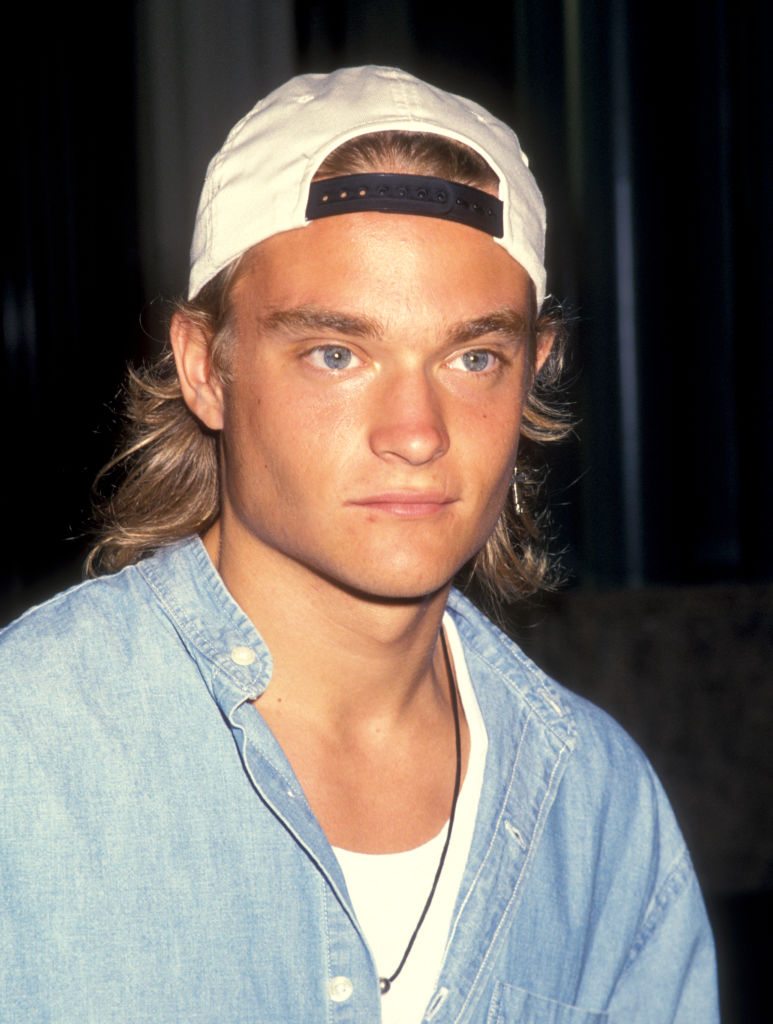
The Career Consequences of Being Outed
Although Allen continued working, the disclosure had lasting consequences during an important stage of his career. The entertainment industry that had celebrated him as a child star became far less welcoming once his private life was publicly known.
”I couldn’t get an audition for a pilot after that,” he shared in 2008.
The difficulty represented more than the loss of individual roles. Allen had spent most of his life learning how to succeed as an actor, and the sudden reduction in opportunities forced him to reconsider what his future might look like.
He continued to perform for years, but his experiences with addiction, public exposure, recovery, and advocacy gradually changed his understanding of success. Fame had once defined his daily life, yet it no longer provided the meaning or direction he wanted.
Leaving Hollywood for a Different Calling
In 2015, Allen stepped away from Hollywood. His departure was not presented as a surrender but as a deliberate transition toward a profession centered on healing and service.
He returned to school and earned a Doctorate in Clinical Psychology. After completing his education, he established a private practice where he could help people work through trauma, questions of identity, emotional pain, and personal change.
The subjects he now addresses professionally are closely connected to challenges he encountered in his own life. His childhood fame taught him about the pressure of living through a manufactured image, while addiction and recovery showed him how isolation can deepen emotional suffering.
His experience of being publicly outed also gave him direct knowledge of what it means to lose control of one’s personal story. Those chapters became part of a broader journey that eventually led him toward clinical work.
The Meaning Behind Confluence Psychotherapy
Allen named his practice Confluence Psychotherapy. The word reflects the meeting of two rivers that join and become something stronger together.
The name represents his belief in connection, transformation, and the possibility that separate experiences can come together to create a new direction. It also mirrors the path of his own life, where acting, personal hardship, recovery, education, and service eventually converged.
His spiritual beliefs have continued to influence the way he views compassion and judgment.
“My greatest hope is that when we die, we get to experience God and let go of all judgments and preconceived notions… Anything that comes with fear or judgment, it can’t be of God.”
Allen’s life today is far removed from the constant attention that surrounded his years as a teen idol. Instead of red carpets and television studios, his routine includes counseling patients, spending time in nature, and walking his dog.
He has also continued advocating for the LGBT community. He expressed gratitude to Gavin Newsom for efforts connected to the legalization of same-sex marriage in San Francisco.

Choosing Purpose Over a Public Image
Chad Allen’s story began with a talented child entering an industry that quickly turned him into a familiar national figure. Audiences watched him grow up on television, but the most important parts of his development were happening away from the screen.
He experienced the rewards of fame at an unusually young age, along with the pressure of becoming a commercial image before fully understanding his own identity. Later, he endured addiction, public exposure, family pain, and serious professional consequences.
Recovery allowed him to rebuild his life around honesty and connection. Education then gave him the tools to transform his experiences into work that could benefit other people.
The smiling boy who once appeared across magazine covers eventually became a clinical psychologist dedicated to helping patients find stability and peace. His path demonstrates how a life shaped by public attention can be redirected toward private, meaningful service.
Allen may no longer appear regularly on television, but his work continues in a setting where applause is not the goal. The former teen idol chose truth over a carefully managed image and purpose over continued celebrity.
His journey from child actor to psychologist reflects a long search for identity, healing, and belonging. Chad Allen ultimately found a calling that allowed him to use the difficult lessons of his own life to support others as they face challenges of their own.