
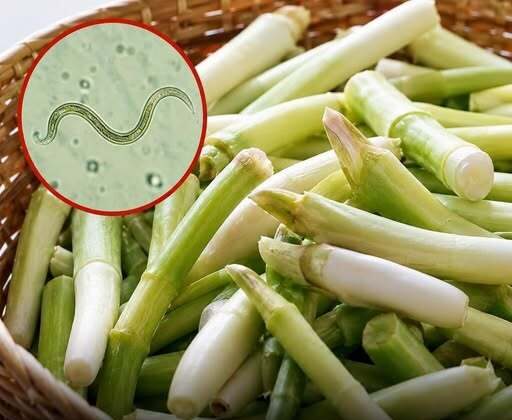
How to Handle Green Onions Safely and Reduce the Risk of Foodborne Illness
A Fresh Ingredient That Still Requires Care
Green onions are a common ingredient in home kitchens, restaurants, salads, sauces, and many prepared dishes. Their crisp texture, mild flavor, and bright appearance make them seem clean and harmless when they are taken from the refrigerator.
However, fresh-looking produce is not automatically free from harmful bacteria. Green onions can carry invisible contaminants such as Salmonella or E. coli, particularly when proper growing, transportation, storage, and preparation practices are not followed.
This does not mean green onions must be removed from the diet. It means they should be treated with the same care given to other fresh foods that may be eaten without cooking.
Why Green Onions Are So Popular
Green onions, which are also known as scallions, are widely used because they add flavor without overpowering a meal. Both the white base and the green stalks can be chopped and added to a variety of foods.
They also provide useful nutrients. Green onions contain vitamins K and C, along with folate and fiber, making them a flavorful ingredient that can contribute to a balanced diet.
Their nutritional value and versatility explain why many people regularly keep them in the refrigerator. They can be added to meals quickly, often without any heating or complicated preparation.
That convenience is also why food safety matters. Because they are frequently served raw, any bacteria remaining on the plant may be consumed along with it.
Contamination Can Begin During Growth
Green onions grow in soil, placing them in direct contact with the surrounding environment from the earliest stage of production. Soil itself can contain dirt and microorganisms that settle around the roots and lower stalks.
Contamination may also occur when crops come into contact with polluted water, animal waste, or equipment that has not been cleaned properly. Once bacteria reach the surface of the onions, they may remain there as the produce moves through later stages of handling.
The roots and white base deserve particular attention because these areas sit closest to the soil. Dirt can collect around the base, while moisture may help contaminants remain attached to the plant.
Even green onions that appear clean may still carry bacteria that cannot be seen, smelled, or tasted. Appearance alone is therefore not a dependable way to determine whether fresh produce has been handled safely.
Risks Can Continue After Harvesting
The possibility of contamination does not end when green onions are removed from the ground. They may pass through several environments before reaching a kitchen, including harvesting areas, packing spaces, transportation systems, stores, and household refrigerators.
During this process, the onions may come into contact with hands, containers, work surfaces, or equipment. Each point of contact creates another opportunity for bacteria to reach the produce if hygiene practices are inadequate.
The layered structure of green onions can make cleaning more difficult. Small spaces between the stalks may hold particles of soil, moisture, or microorganisms, especially near the lower portion of the plant.
A quick rinse under running water may remove visible dirt from the outside, but it may not reach every folded or layered area. More careful washing can help reduce the amount of contamination left behind.
Raw Consumption Increases the Importance of Cleaning
Many foods are heated before they are eaten, and high cooking temperatures can reduce certain bacterial risks. Green onions, by contrast, are commonly sprinkled over finished dishes or mixed into foods without being cooked.
They may be added raw to salads, sandwiches, dips, cold meals, or garnishes. In these situations, there is no heating step between preparation and consumption.
As a result, bacteria that remain on the stalks can be transferred directly to the meal. Even a small contaminated area may spread to other ingredients during chopping and mixing.
Safe handling is particularly important when green onions are being served to several people. One contaminated bunch could potentially affect more than one plate if the onions are prepared together.
Possible Effects of Foodborne Bacteria
Foodborne contamination may cause symptoms such as nausea and stomach cramps. In some situations, the illness may become more serious, depending on the bacteria involved and the health of the person who consumes the contaminated food.
Because bacteria cannot usually be identified by looking at the produce, prevention must happen before anyone becomes ill. Washing, clean preparation areas, correct storage, and careful disposal of spoiled onions all play a role.
People should not assume that a small serving carries no risk. A limited amount of contaminated food may still cause illness if harmful bacteria are present.
At the same time, concern should remain practical rather than alarming. Green onions can still be enjoyed safely when reasonable food hygiene steps are followed consistently.
Some People May Face Greater Health Risks
Foodborne illness can affect anyone, but certain individuals may be more vulnerable to serious complications. These groups include young children, older adults, pregnant women, and people with weakened immune systems.
When preparing food for someone in one of these groups, extra attention should be given to produce cleaning, handwashing, kitchen surfaces, and storage conditions.
Damaged or questionable onions should not be served simply because only a small section appears affected. When freshness is uncertain, discarding the produce is the safer decision.
Households that prepare meals for vulnerable family members can reduce unnecessary risk by making safe produce handling part of their normal kitchen routine.
Preparing Green Onions Before Washing
Begin by examining the entire bunch. Look for damaged stalks, wilted sections, unusual discoloration, slime, or any areas that appear spoiled.
Remove damaged outer layers before washing. These outer sections may have collected dirt or may have been touched repeatedly during transportation and storage.
Cut off the roots at the bottom of the white base. The root area is especially likely to hold soil because it grows directly in the ground.
After trimming, separate any stalks that are tightly packed together. This makes it easier for water to reach areas that might otherwise remain hidden.
A More Thorough Washing Method
Place the prepared green onions in a bowl of cold water. Gently move and rub the stalks with clean hands so that dirt trapped along the surface and between the layers can loosen.
Pay close attention to the white base, where soil and debris commonly collect. The lower stalks may need more careful rubbing than the smoother green tops.
Turn the onions while washing them rather than cleaning only one side. Check between overlapping sections and rinse away any dirt that becomes visible.
Once they have been washed carefully, allow excess water to drain. Keeping the onions unnecessarily wet during storage may encourage faster deterioration.
Washing should be handled gently so the stalks are not crushed or torn. Damaged produce can lose freshness more quickly and may become slimy during refrigeration.
Preventing Cross-Contamination During Preparation
Clean green onions can become contaminated again if they are placed on an unwashed cutting board or handled with dirty utensils. Kitchen hygiene must continue after the produce has been rinsed.
Do not chop green onions on the same board used for raw meat unless the board has first been washed thoroughly. Bacteria from raw meat can transfer to vegetables through shared surfaces.
The same rule applies to knives, bowls, countertops, and hands. Any item that has touched raw meat should be cleaned before it comes into contact with produce that may be eaten raw.
Wash your hands carefully before handling the onions. Hands should also be cleaned after touching raw foods, dirty packaging, waste containers, or unwashed surfaces.
A separate cutting board for vegetables can make safe preparation easier. Even when separate equipment is available, it should still be washed regularly and kept in good condition.
Keeping the Kitchen Work Area Clean
Before beginning food preparation, clear away unnecessary packaging and wipe down the work surface. A clean preparation area reduces the number of objects that may transfer dirt or bacteria to the onions.
Do not place washed green onions back into a container or bag that may be dirty. Use a clean plate, bowl, towel, or storage container after washing.
Utensils should be cleaned thoroughly, especially around handles and edges that are touched frequently. A knife blade may look clean while the handle still carries contamination from earlier preparation.
Regular handwashing remains one of the simplest safety measures. It should not be replaced by briefly wiping hands on a towel or rinsing them without proper cleaning.
Safe Refrigeration and Storage
Green onions should be stored in the refrigerator to help preserve freshness. Leaving them at warmer temperatures for extended periods can cause them to deteriorate more quickly.
Monitor the onions while they are stored rather than assuming they remain suitable until the entire bunch has been used. Freshness may change over time, particularly if moisture collects around the stalks.
Keep them separated from raw meat and from packages that may leak. Produce should not be placed where meat juices could drip onto it.
A clean storage area also matters. Refrigerator drawers and shelves can collect spills, wilted leaves, soil, and moisture, all of which may affect newly purchased produce.
Cleaning the refrigerator regularly can help prevent freshly washed green onions from being placed into an already contaminated environment.
Signs That Green Onions Should Be Discarded
Fresh green onions should feel reasonably firm and have a normal, mild scent. Changes in texture, color, or odor can indicate that they are no longer suitable for use.
Discard green onions that become slimy. A slippery surface is a clear sign that the produce has deteriorated and should not be added to food.
Unusual discoloration should also be taken seriously, especially when it is accompanied by softness or moisture. Removing one visibly affected section may not be enough when the rest of the bunch also appears questionable.
An unpleasant or unusual smell is another reason to throw the onions away. Fresh produce should not have a strong spoiled odor.
When there is uncertainty about freshness, replacing the bunch is safer than trying to save it. The flavor and nutritional benefits are not worth the avoidable risk of consuming spoiled produce.
Making Food Safety a Regular Habit
Safe green onion preparation does not require complicated equipment or excessive concern. The most effective approach is to build a few simple steps into the normal cooking process.
Inspect the onions, remove damaged layers, trim the roots, wash the stalks carefully, and use clean preparation tools. These actions require only a small amount of additional time.
Cross-contamination should be considered whenever raw meat and fresh produce are prepared in the same kitchen. Cleaning between tasks can prevent bacteria from moving from one food to another.
Proper refrigeration and regular freshness checks complete the process. Safe handling should continue from the moment the onions enter the kitchen until they are served or discarded.
Enjoying Green Onions Without Unnecessary Risk
Green onions remain a useful and nutritious ingredient that can add freshness, color, fiber, and vitamins to many meals. Their possible exposure to bacteria does not mean they must be avoided.
The main concern comes from treating fresh produce as though it cannot carry contamination. Soil exposure, water, equipment, transportation, and kitchen surfaces can all introduce risks before the onions are eaten.
Because green onions are often consumed raw, careful preparation is especially valuable. A more thorough wash, clean utensils, proper hand hygiene, and safe storage can significantly improve everyday food handling.
By paying attention to the base of the stalks, preventing contact with raw meat, and discarding onions that become slimy, discolored, or unusually scented, households can continue enjoying this familiar ingredient with greater confidence.
Food safety depends less on fear and more on consistent habits. With proper cleaning, refrigeration, and kitchen hygiene, green onions can remain a flavorful part of meals without creating unnecessary health risks.