
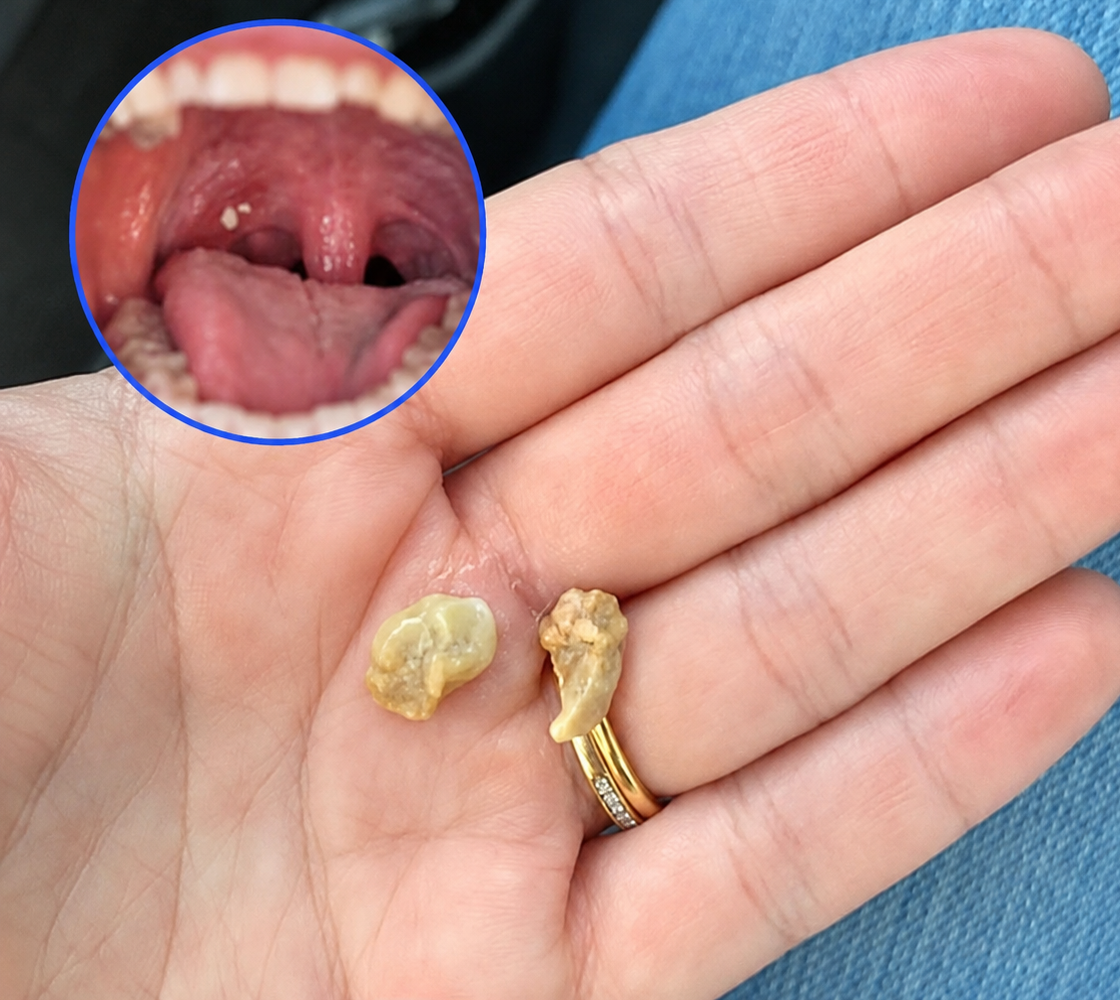
Tonsil Stones May Be the Hidden Cause of Persistent Bad Breath and Throat Discomfort
What Those Small, Foul-Smelling Lumps Reveal About Your Tonsils
A sudden unpleasant smell, an unusual sensation in the throat, and a tiny pale lump that appears after coughing can be deeply unsettling. For many people, the first reaction is fear that the material could be a sign of a serious health problem.
The experience can also be embarrassing. The small lump may have a strong odor, and some people feel uncomfortable describing it even to a medical professional.
In many cases, the cause is a tonsil stone. These small deposits form inside the natural folds and crevices of the tonsils, where food particles, dead cells, bacteria, and other material can become trapped.
Tonsil stones are generally harmless, but the symptoms they create can be persistent and frustrating. They may contribute to chronic bad breath, throat irritation, an unpleasant taste, or the feeling that something is lodged near the back of the mouth.
What Tonsil Stones Are
The tonsils are located on both sides of the back of the throat. Their surfaces are not always completely smooth and may contain small pockets known as tonsil crypts.
These pockets can collect tiny amounts of material from the mouth and throat. Food debris, bacteria, mucus, dead cells, and other particles may settle inside the openings instead of being cleared naturally.
Over time, the trapped material can become compacted. It may eventually harden or calcify, forming a small deposit commonly known as a tonsil stone.
The stones can vary in size. Some are so small that a person may never notice them, while others become large enough to cause discomfort or become visible when looking into the mouth.
They are often white, cream-colored, or pale yellow. Their appearance can be surprising, particularly when one suddenly becomes dislodged during coughing, swallowing, or throat clearing.
Why Tonsil Stones Can Smell So Bad
One of the most troubling symptoms associated with tonsil stones is persistent bad breath. The odor can remain even when a person brushes regularly, uses mouthwash, or frequently consumes breath mints.
The smell develops because bacteria and organic debris collect within the tonsil crypts. As the trapped material breaks down, it can produce a strong and unpleasant odor.
A tonsil stone may therefore be very small while still creating a noticeable smell. This can leave a person confused about why ordinary breath-freshening methods provide only temporary relief.
Mouthwash may reduce bacteria elsewhere in the mouth, but it may not always reach material packed deeply inside the folds of the tonsils. As a result, the source of the odor can remain in place.
This does not mean that every case of bad breath is caused by tonsil stones. However, when the odor is persistent and accompanied by small deposits or throat sensations, the tonsils may be involved.
Common Symptoms People May Notice
Some people with tonsil stones experience no symptoms at all. The deposits may remain hidden or leave the tonsils without attracting attention.
Others notice a repeated feeling that something is stuck in the throat. This foreign-body sensation may remain even when eating and drinking normally.
Throat irritation can also occur, especially when a deposit rests against sensitive tissue. A person may frequently clear the throat in an attempt to remove the sensation.
Bad breath is another common complaint. The odor may return shortly after brushing and may feel difficult to control with normal oral care products.
An unpleasant taste can sometimes accompany the smell. In other cases, the first obvious sign is a small lump that appears after a forceful cough.
The unexpected appearance of a stone can cause alarm, but tonsil stones are usually benign. Their unpleasant appearance and odor do not automatically mean that a dangerous condition is present.
Why Some People Develop Them More Often
Not everyone is equally likely to experience tonsil stones. People with deeper or more prominent tonsil crypts may have more spaces where material can become trapped.
When the tonsil surface contains many folds, ordinary swallowing may not be enough to clear every particle. Debris can remain in place and gradually accumulate.
Recurrent tonsil infections may also be associated with the problem. Repeated irritation can affect the tonsil tissue and may contribute to areas where material collects more easily.
Hydration and oral hygiene can also influence how much debris and bacteria remain in the mouth. A dry mouth may make natural cleansing less effective.
The formation of tonsil stones is not necessarily a sign that someone has neglected personal hygiene. Even people who brush carefully can develop them because the shape of the tonsils plays an important role.
However, consistent oral care may reduce the amount of material available to become trapped. This can lower the likelihood of repeated buildup, particularly in people who are already prone to the condition.
Daily Habits That May Reduce Their Formation
Good oral hygiene is one of the most practical ways to reduce tonsil stone formation. Brushing the teeth thoroughly helps remove food particles and bacterial buildup before they can travel toward the back of the throat.
Brushing the tongue is also important. The tongue can hold bacteria and debris that contribute to unpleasant breath and may add to the material circulating inside the mouth.
Cleaning the teeth and tongue after meals can be especially helpful. This limits the amount of leftover food that remains available to settle inside the tonsil crypts.
Flossing removes particles from areas a toothbrush may not reach. Debris left between the teeth can support bacterial growth and contribute to odor even when tonsil stones are also present.
An antibacterial mouthwash may help lower the number of bacteria in the mouth. Gargling allows the liquid to reach farther toward the back of the throat than ordinary rinsing.
Staying properly hydrated also supports the mouth’s natural cleaning process. Regular fluid intake helps prevent excessive dryness and encourages normal swallowing.
These steps cannot change the natural structure of the tonsils. Still, they may decrease the amount of material that becomes trapped and reduce how often stones return.
What Can Happen When a Stone Is Already Present
Many tonsil stones eventually come out without direct treatment. Normal coughing, swallowing, or throat movement may loosen a deposit and allow it to dislodge.
A person may discover a stone unexpectedly after coughing. Others may swallow a loosened deposit without realizing it was present.
Gargling with warm saltwater may help when a stone is causing mild discomfort. The movement of the water around the tonsils can sometimes loosen material trapped near the surface.
Warm saltwater may also provide a soothing effect when the throat feels irritated. It should be used gently rather than with excessive force.
Oral irrigators may help some people clear debris from the tonsil area. However, the pressure must be controlled because tonsil tissue is delicate and can be injured.
A method that feels harmless in another part of the mouth may be too forceful for the tonsils. Careful handling is essential whenever the back of the throat is involved.
Why Aggressive Self-Removal Can Be Risky
The urge to remove a visible stone immediately can be strong, particularly when it is causing bad breath or an irritating sensation. However, using hard, pointed, or improvised objects can damage the tonsils.
Aggressive pressure may scrape or puncture the tissue. This can lead to pain, bleeding, swelling, and additional irritation.
The tonsils are sensitive and located in an area that can be difficult to see clearly. A person may apply more force than intended or accidentally injure nearby tissue.
Repeated poking can also worsen discomfort and make the area harder to evaluate. What begins as an attempt to remove a harmless deposit can create a separate injury.
Gentle measures such as gargling are safer than forceful digging. When a stone cannot be removed easily, professional care is the more appropriate option.
When Professional Evaluation Is Important
Occasional small tonsil stones may not require medical treatment. However, frequent stones, ongoing pain, repeated infections, or persistent throat discomfort deserve professional evaluation.
An ear, nose, and throat specialist can examine the tonsils closely. This can help determine whether the symptoms are being caused by stones or whether another issue needs attention.
A specialist may safely remove deposits that are difficult to reach. Professional removal reduces the risk of injury from sharp tools or excessive pressure at home.
Medical evaluation is especially important when symptoms continue despite good oral hygiene. Persistent bad breath or a constant sensation in the throat should not simply be ignored out of embarrassment.
Repeated infections are another reason to seek care. When stones appear alongside frequent tonsil problems, a specialist can discuss the most appropriate approach.
In severe or recurring cases, tonsillectomy may be considered. This procedure removes the tonsils and may be discussed when the problem significantly affects comfort or repeatedly returns.
Tonsillectomy is not necessary for every person with tonsil stones. The decision depends on the frequency of symptoms, the level of discomfort, the presence of infections, and the individual situation.
There Is No Reason to Suffer in Silence
Tonsil stones can create a disproportionate amount of worry and embarrassment. Their odor, appearance, and location may make people reluctant to talk about them.
Yet the condition is a recognized problem that can affect people with certain tonsil structures. Experiencing it does not mean someone is unclean or careless.
The most helpful response is to focus on gentle oral care, regular hydration, and safe methods of managing mild symptoms. Forceful removal should be avoided because it can turn a manageable issue into a painful injury.
When the stones are persistent, painful, or accompanied by repeated infections, an ENT specialist can provide appropriate treatment. Professional evaluation can also offer reassurance and help rule out other causes of throat discomfort or bad breath.
A tiny, foul-smelling lump can be alarming when it appears without warning. In most cases, however, understanding how tonsil stones form makes the experience far less frightening.
Persistent symptoms do not need to become a private source of anxiety. Proper oral hygiene and timely medical care can help manage the condition and reduce its impact on daily confidence and comfort.