
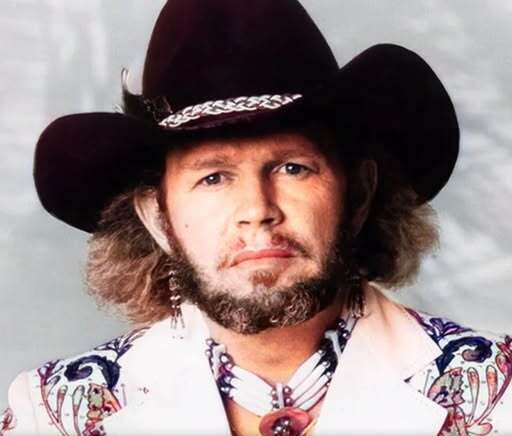
David Allan Coe, Country Music’s Defiant Outlaw Voice, Dies at 86
The Controversial Life, Music, and Lasting Legacy of a Country Outlaw
David Allan Coe, the gravel-voiced country music renegade whose life and career were shaped by hardship, controversy, rebellion, and deeply personal songwriting, has died at the age of 86.
No cause of death has been revealed. His passing leaves country music without one of its most uncompromising and difficult-to-define figures, an artist whose work could be tender, confrontational, painful, provocative, and unforgettable.
Coe built a public identity around survival and defiance. Long before success arrived, his life had already taken him through prison cells, institutions, backroads, and years of instability that later became central to the way listeners understood his music.
Those experiences gave his songs a sense of lived-in honesty. He did not present hardship as a distant theme or a carefully polished image. Pain, anger, regret, loyalty, and isolation appeared to come from the center of his own complicated journey.
A Life That Never Followed a Conventional Path
David Allan Coe’s story was never simple, orderly, or easy to separate from the mythology that surrounded him. His early years were marked by difficulty, and he spent significant periods moving through institutions before establishing himself as a professional musician.
That troubled background became part of his artistic identity. Rather than hiding the roughest chapters of his life, he allowed them to influence the way he wrote, performed, and presented himself to the public.
He emerged as a drifter and survivor before he became a recording artist. By the time he entered a studio, he had already developed the hardened perspective that would distinguish him from performers whose country personas had been shaped primarily by the music business.
His songs often carried the emotional weight of someone who understood confinement, rejection, disappointment, and the consequences of living outside accepted boundaries. That perspective became one of his greatest strengths as a songwriter.
Coe did not soften his past to make it more comfortable for audiences. He leaned into it, creating a public image that reflected both the wounds he carried and the resistance that had helped him endure them.
Turning Hardship Into Country Music
Coe’s voice was instantly recognizable. Rough and weathered, it carried a sense of experience that fit the stories he told about broken relationships, difficult choices, wounded pride, and life on the margins.
His delivery often sounded less like polished performance and more like confession. Whether he was singing about heartache or rebellion, he brought an intensity that made even familiar country themes feel personal.
That emotional directness helped him connect with listeners who recognized parts of their own lives in his music. Fans who had felt overlooked, judged, abandoned, or misunderstood could hear those emotions reflected in his work.
His appeal did not depend on fitting comfortably within the expectations of the country establishment. In many ways, his popularity grew because he appeared unwilling to seek permission from anyone.
Coe wrote and performed as though he had already survived the worst consequences of being an outsider. That attitude gave his work a sense of danger, but it also gave it credibility among listeners drawn to artists who seemed unfiltered.
A Songwriter Capable of Unexpected Tenderness
Behind Coe’s confrontational image was a songwriter capable of creating tender and emotionally vulnerable material. His music could move from hardened defiance to sorrow without losing its sense of authenticity.
That contrast was central to his artistic power. The same performer known for controversy could also write songs that explored loneliness, love, disappointment, and emotional loss with striking sensitivity.
Some of his compositions found lives beyond his own recordings. He wrote material that other singers transformed into major country songs, allowing his storytelling to reach listeners who may not have followed his more provocative work.
His ability to write for himself and for other performers demonstrated the breadth of his craft. He understood how to build a song around a feeling, a memory, or a painful realization and make it accessible without removing its emotional edge.
That skill helped establish Coe as more than a rebellious personality. Whatever controversies surrounded him, his songwriting ability remained an essential part of his place in country music.
Success Made the Contradictions More Visible
As Coe’s career gained momentum, the contradictions within his public identity became harder to ignore. His work could be poetic and deeply affecting, yet it could also become intentionally offensive and divisive.
He seemed capable of creating music for wounded hearts and, almost immediately afterward, releasing material designed to provoke outrage. That unpredictability ensured that he was rarely discussed only in terms of talent.
For supporters, his refusal to conform represented honesty and independence. They viewed him as an artist who would not reshape himself simply to satisfy industry expectations or public pressure.
For critics, some of his choices went far beyond harmless rebellion. Material associated with his career caused lasting condemnation and made it impossible to separate discussions of his music from questions about responsibility, judgment, and harm.
The division surrounding him was not a temporary phase. It followed him across decades, influencing how his songs, performances, and legacy were received.
Admired, Condemned, and Frequently Imitated
Coe occupied an unusual position in country music. He was admired for the rawness of his writing, condemned for offensive material, and imitated by performers attracted to the dangerous freedom of his image.
Few artists carried the label of outlaw as completely as he did. For Coe, the term did not merely describe a style of music or a marketing category. It appeared connected to the way he had lived long before fame.
That background made his persona difficult to reproduce. Other performers could adopt the clothing, attitude, or language of rebellion, but Coe’s identity had been shaped by years of instability and conflict.
His fans often saw authenticity in that history. They believed the scars in his songs were not invented for commercial effect, and that belief helped create a strong bond between Coe and the audience that remained loyal to him.
At the same time, admiration for his authenticity never erased the disputes surrounding his decisions. His career became an example of how artistic ability and damaging choices can exist within the same public figure.
A Career Built Outside Polite Boundaries
Coe continued recording and touring while maintaining a close connection with the listeners who embraced his outsider status. He did not become known for retreating into a safer or more polished version of himself.
His loyalty to his audience remained an important part of his career. Fans who identified with his songs continued to support him because they believed he represented people and experiences that mainstream culture often preferred to overlook.
He sang for listeners who understood hardship, resentment, heartbreak, and the instinct to resist authority. That connection helped sustain his career even when controversy threatened to overshadow his musical achievements.
Coe’s refusal to fit politely within a single category also made him difficult to summarize. He could not be described only as a gifted songwriter, only as an outlaw performer, or only as a controversial personality.
Each description captured part of his story, but none fully explained the combination of beauty, offense, rebellion, vulnerability, success, and regret that defined his public life.
The Uneasy Legacy He Leaves Behind
David Allan Coe’s death brings renewed attention to a legacy that remains tangled and unresolved. His music contains moments of emotional clarity and powerful storytelling, but his career also includes material that alienated and hurt many people.
Those realities cannot easily be separated. Any complete assessment of Coe must acknowledge both the craftsmanship that earned him admiration and the choices that produced lasting criticism.
His supporters may remember the voice that sounded as though every line had been earned through struggle. Others may focus on the controversies that made celebration of his career complicated.
Both responses reflect the unusual space he occupied. Coe was never an artist who invited uncomplicated reactions, and his passing is unlikely to change that.
His songs will continue to be heard by listeners who find meaning in their honesty, sorrow, and resistance. The debates surrounding his work will also continue, ensuring that his name remains connected to larger questions about talent, accountability, and the way audiences remember difficult artists.
An Outlaw Voice Falls Silent
At 86, David Allan Coe leaves behind a body of work shaped by extremes. He traveled from confinement and instability to recording studios, concert stages, commercial success, and enduring notoriety.
He transformed parts of his painful history into music that reached people far beyond the circumstances that formed him. In doing so, he created songs that could feel both deeply individual and widely relatable.
His voice carried the marks of the life he had lived. It was not smooth, restrained, or designed to disappear into the background. It demanded attention, just as the man behind it repeatedly did.
For decades, Coe existed on the boundary between admiration and rejection. He was celebrated as a fearless country songwriter while being criticized for work that crossed lines many believed should never have been crossed.
That tension is now part of the record he leaves behind. His legacy contains no clean ending and offers no simple conclusion.
David Allan Coe will be remembered as a survivor, a songwriter, an outsider, a provocateur, and one of country music’s most controversial outlaw figures. The silence following his death may be profound, but the arguments, emotions, and songs connected to his name are likely to endure.
His life showed how pain could become poetry and how rebellion could become both a source of artistic power and a path toward lasting condemnation. He never fit comfortably into any frame, and that may be the clearest explanation for why his voice remains so difficult to forget.