
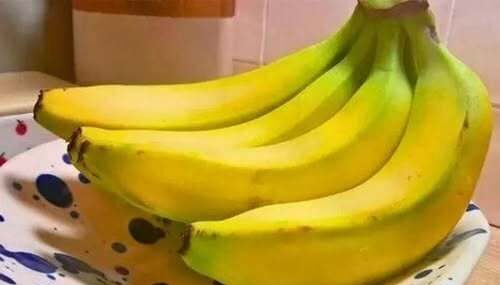
Why Bananas Ripen Too Quickly and How Simple Storage Changes Can Keep Them Fresh Longer
The Hidden Role of Ethylene Gas and the Best Ways to Extend Banana Freshness
Bananas often seem to change overnight. One day, they are bright yellow, firm, and ready to eat. A short time later, their peels are covered with brown spots, the fruit has softened, and the entire bunch appears to be approaching the end of its useful life.
This rapid transformation can feel unavoidable, especially when bananas are kept in a kitchen fruit bowl. However, the speed at which they ripen is often influenced by the fruits placed around them and the way they are stored after being brought home.
The issue is not necessarily that the bananas were poor quality or already damaged. In many kitchens, the surrounding environment quietly encourages them to mature much faster than expected.
The Natural Gas That Controls Fruit Ripening
Bananas are highly responsive to ethylene, a natural gas connected to the ripening process. Fruits release this gas as they mature, and exposure to it can encourage nearby produce to ripen as well.
Bananas naturally produce ethylene on their own. This allows a green bunch to gradually soften, become sweeter, and develop the familiar yellow color associated with ripe fruit.
The process is normal and necessary. Without it, bananas would remain firm, starchy, and difficult to enjoy.
Problems begin when bananas receive more ethylene than they need. When several ethylene-producing fruits are stored together, the gas can become more concentrated around them, accelerating the ripening of everything nearby.
Bananas are especially sensitive to this effect. Even when they have only recently reached the ideal stage of ripeness, continued exposure can quickly push them toward heavy spotting, excessive softness, and eventual spoilage.
Why the Mixed Fruit Bowl Can Be a Problem
A bowl filled with bananas, apples, pears, and avocados may look attractive and convenient. Keeping all fresh fruit in one place also makes it easier to see what is available and choose a snack during the day.
From a storage perspective, however, this arrangement may create the wrong environment for bananas. Apples, avocados, and pears can all release ethylene as they ripen.
When these fruits sit closely together, the bananas are exposed not only to the gas they produce themselves but also to the ethylene coming from the surrounding fruit. This combined exposure can significantly shorten the amount of time the bananas remain at their preferred level of ripeness.
The bananas may begin developing brown spots sooner than expected. Their texture can also soften rapidly, making them less suitable for slicing, carrying in a lunch bag, or eating by hand.
A fruit bowl does not need to feel warm or humid for this to happen. Ethylene is invisible, so there may be no obvious sign that the storage arrangement is speeding up the process.
People may assume that the fruit was old when purchased or that bananas naturally last only a very short time. In reality, the nearby apples, pears, or avocados may have contributed to their rapid decline.
Giving Bananas Their Own Space
One of the simplest ways to slow the ripening process is to store bananas separately from other fruit. They can remain on the kitchen counter, but they should be placed away from apples, avocados, pears, and other produce that may increase their exposure to ethylene.
This does not stop ripening completely. Bananas will continue to mature because they naturally produce their own ethylene.
Separation simply reduces the additional gas coming from neighboring fruit. As a result, the bananas may move through their ripe stage more gradually, giving the household more time to eat them before they become overly soft.
The amount of distance does not need to be complicated. Moving the bunch from a crowded fruit bowl to a separate area of the counter can make a practical difference.
This storage method is particularly useful when several types of fruit are purchased at the same time. Instead of placing everything together automatically, each type can be given a location that better supports its expected ripening schedule.
Why Keeping the Bunch Together Can Help
Bananas are commonly sold as a connected bunch, and keeping them together can be useful. There is no need to separate every banana immediately after bringing them home.
A full bunch is easier to manage and can be treated as one unit when applying methods designed to limit ethylene exposure. The connected stems also provide a clear area that can be covered.
Individual bananas can still be removed as needed. The remaining fruit can stay together until it reaches the preferred stage of ripeness.
Keeping the bunch organized also makes it easier to notice changes. A person can monitor the overall color, check for the first appearance of brown spots, and decide when the bananas should be moved to cooler storage.
Wrapping the Stems to Slow the Process
Another practical technique involves covering the stems of the banana bunch. The stem area can be wrapped tightly with plastic wrap or foil.
This method is intended to trap much of the ethylene released around that part of the bunch. By limiting how freely the gas moves, the wrapping may help slow the speed at which the bananas continue to mature.
The covering should fit closely around the connected stem area. A loose piece of wrap may not contain the gas as effectively as a tightly secured covering.
When one banana is removed, the covering can be adjusted around the remaining stems. This allows the same storage approach to continue as the bunch becomes smaller.
Stem wrapping does not preserve bananas indefinitely. It is a way to manage the natural ripening process rather than prevent it completely.
The technique works best when combined with separation from other ethylene-producing fruits. Wrapping the stems while leaving the bunch beside several ripe apples or avocados may still expose the bananas to additional gas from outside the bunch.
Knowing When to Move Bananas to the Refrigerator
Timing is important when using the refrigerator. Bananas should first be allowed to reach the preferred yellow stage at room temperature.
Placing them in the refrigerator after they have ripened can help preserve the texture and sweetness of the fruit inside for a longer period. The cooler environment slows further changes and extends the window in which the bananas remain enjoyable.
The peel may become darker in the refrigerator. It can turn brown or develop a less appealing appearance even while the fruit beneath it remains firm and suitable for eating.
This visual change often causes people to throw refrigerated bananas away too soon. A dark peel does not automatically mean that the banana inside has spoiled.
The fruit should be checked directly. After peeling, the inside may still be sweet, firm, and ready to eat for several additional days.
Refrigeration is therefore most useful after the banana has reached the desired ripeness. It allows the fruit to complete its normal development on the counter before the colder temperature slows further softening.
Creating a More Effective Storage Routine
A simple banana-storage routine begins as soon as the fruit is brought into the kitchen. Instead of placing the bunch in a mixed bowl, choose a separate area of the counter.
Leave the bananas connected and wrap the stems securely with plastic wrap or foil. Check their color each day rather than waiting until they have already become heavily spotted.
Once the fruit reaches the ideal shade of yellow, decide how quickly the bunch will be eaten. Bananas that will be consumed immediately can remain on the counter, while those needed several days later can be moved to the refrigerator.
This approach gives greater control over the ripening timeline. It also reduces the likelihood that several bananas will become overly soft at the same time.
Households that regularly purchase apples, pears, avocados, and bananas can organize their counter space based on ripening behavior. The goal is not to eliminate the fruit bowl but to avoid placing sensitive bananas directly beside produce that may speed their development.
Understanding Brown Spots and Softening
Brown spots are a natural part of banana ripening. As the fruit matures, its flavor becomes sweeter and its texture becomes softer.
A lightly spotted banana may still be at an enjoyable stage, especially for people who prefer a sweeter taste. The problem arises when the ripening process moves faster than the fruit can be eaten.
Excessive ethylene exposure can shorten the useful period between a firm yellow banana and one that has become too soft for a person’s preference. Better storage helps extend that middle stage.
The desired level of ripeness differs from one person to another. Some prefer bananas with slightly green ends, while others enjoy fruit with several brown spots.
Storage methods do not need to create one exact result. They simply provide more time to use the bananas at the stage each household prefers.
Reducing Unnecessary Food Waste
When bananas ripen together too quickly, several may be left uneaten. A bunch purchased for the week can become overly soft within a few days if it is surrounded by other ripening fruit.
Separating the bananas, covering the stems, and refrigerating them at the right time can help reduce this problem. These steps require little effort and use materials commonly found in the kitchen.
Longer-lasting bananas are easier to plan around. They can remain available for breakfasts, snacks, or other meals without creating pressure to consume the entire bunch immediately.
Better storage also helps people purchase fruit with greater confidence. Instead of expecting half the bunch to become unusable, they can manage the ripening process more deliberately.
A Small Change With Noticeable Results
Bananas do not always ripen too quickly because of something wrong with the fruit. In many cases, their position in the kitchen is the main factor.
A crowded bowl containing apples, pears, avocados, and bananas creates an environment filled with natural ripening gas. Because bananas are highly sensitive to ethylene, they can move from perfect yellow to soft and heavily browned sooner than planned.
The solution begins with separation. Bananas should be given their own space, kept together as a bunch, and protected by wrapping the connected stems with plastic wrap or foil.
After they reach the ideal yellow color, refrigeration can slow further ripening. Although the peel may darken, the fruit inside can remain firm, sweet, and enjoyable for days longer.
These small adjustments turn banana storage from a guessing game into a manageable routine. By understanding how ethylene affects fruit and arranging the kitchen accordingly, it becomes easier to keep bananas fresh until they are ready to be eaten.