
That Small Shark Fin on Your Car’s Roof Does Far More Than You Might Realize
The Small Roof Feature With a Major Purpose
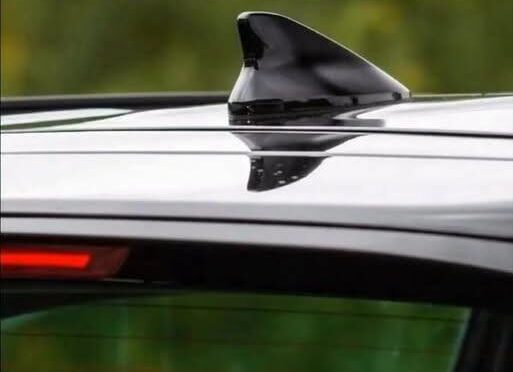
The smooth, triangular feature mounted on the roof of many modern vehicles may look like a simple styling choice.
Its shape resembles a shark’s dorsal fin, which is why drivers commonly refer to it as a shark-fin antenna.
Despite its compact appearance, the component can play an important role in several of the electronic systems used throughout the vehicle.
Hidden beneath its durable outer shell may be a collection of antennas, receivers, transmitters, wiring, and signal-processing equipment designed to keep the vehicle connected.
Depending on the model and equipment package, the shark fin may support radio reception, satellite services, navigation, cellular communication, Wi-Fi, and other connected features.
It represents the automotive industry’s transition from vehicles with only a basic radio antenna to cars that function as connected digital platforms.
Why Traditional Car Antennas Were So Long
For decades, the most recognizable vehicle antenna was a long metal rod mounted on the fender or roof.
Its primary purpose was to receive AM and FM radio signals.
The design was relatively simple, inexpensive, and effective for the limited communication needs of older vehicles.
However, long whip-style antennas came with several disadvantages.
They could bend, snap, loosen, or become damaged by low branches, car-wash equipment, weather, and accidental impact.
They also extended into the airflow above the vehicle, where they could vibrate or create noticeable wind noise at higher speeds.
Some antennas had to be manually extended, while others used electric motors that could eventually fail.
As vehicles gained more communication systems, relying on one exposed metal rod became increasingly impractical.
Modern Cars Need More Than Radio Reception
Today’s vehicles may communicate with several different networks at the same time.
A driver may be listening to satellite radio while using GPS navigation, receiving traffic information, connecting a phone, and accessing an emergency communication service.
Each feature can depend on signals operating across different frequencies.
This creates a need for multiple specialized antenna elements rather than one basic radio receiver.
The shark-fin housing provides manufacturers with a convenient location for combining some of these components.
Instead of placing several separate antennas across the vehicle’s body, engineers can organize compatible systems within one protected roof-mounted structure.
The exact equipment inside varies from one vehicle to another.
A basic model may use the fin for only one or two functions, while a more highly equipped vehicle may use it as part of a larger communications network.
GPS Navigation and Location Services
One important function associated with many shark-fin antennas is GPS reception.
Navigation systems depend on signals transmitted from satellites to calculate the vehicle’s position.
Placing the antenna high on the roof can provide a relatively clear view of the sky, helping the system maintain a reliable connection.
This location information may be used for more than giving driving directions.
It can support real-time traffic guidance, location-based services, vehicle tracking, route planning, and emergency assistance.
When the GPS signal becomes weak or inconsistent, the navigation display may place the vehicle on the wrong road, update slowly, or temporarily lose its position.
A problem within the roof antenna, its cable, or its connection to the vehicle’s electronics can sometimes contribute to these symptoms.
Satellite Radio Reception
Satellite radio requires a different type of signal reception from traditional AM and FM broadcasting.
While local radio stations transmit from towers on the ground, satellite services depend heavily on signals arriving from above.
The roof is therefore a practical position for the required antenna.
The shark-fin structure helps protect the internal receiver while keeping it exposed to a broad area of the sky.
Buildings, tunnels, parking structures, mountains, and other obstacles can still interrupt satellite reception.
However, a properly functioning antenna helps the vehicle maintain the strongest connection available under normal driving conditions.
Cellular Telematics and Connected Services
Many modern vehicles contain telematics systems that communicate through cellular networks.
These systems may support emergency calling, roadside assistance, vehicle-location services, remote diagnostics, app-based controls, and other connected functions.
The shark-fin assembly can serve as part of the cellular connection that allows these features to operate.
For example, some vehicles allow an owner to check the fuel level, locate the car, lock the doors, or start the climate system through a mobile application.
These requests depend on communication between the phone, a remote server, and the vehicle.
A reliable antenna connection helps ensure that the vehicle can receive and transmit the necessary data.
Service availability still depends on network coverage, active subscriptions, vehicle compatibility, and the manufacturer’s system.
Emergency Communication After a Collision
Connected antennas can also support important safety functions.
Some vehicles are designed to contact an emergency response center automatically after a serious collision.
The system may transmit information such as the vehicle’s location and establish voice communication with the occupants.
For this process to work effectively, the vehicle needs access to cellular and location signals.
The roof antenna can therefore contribute to the communication link used during an emergency.
Its role may be easy to overlook during everyday driving, but dependable connectivity can become especially important when occupants are injured, confused, or unable to make a phone call themselves.
Wi-Fi, Bluetooth, and Other Wireless Features
Some shark-fin assemblies may also support Wi-Fi or other short-range wireless functions.
Vehicles equipped with built-in wireless hotspots can use cellular data to provide internet access to passengers.
Bluetooth is generally designed for short-range communication inside or near the vehicle, allowing phones and other devices to connect with the infotainment system.
Not every wireless antenna is necessarily located inside the roof fin.
Manufacturers may place different antennas in the dashboard, windows, mirrors, bumpers, roof lining, or other parts of the vehicle.
The shark fin should therefore be viewed as one possible communication center within a broader network of electronic components.
Why the Roof Is an Effective Location
The roof provides several advantages for antenna placement.
Its elevated position reduces the amount of metal and body structure blocking signals from different directions.
It also places the hardware away from many sources of interference found lower in the vehicle.
Mounting the antenna near the center or rear of the roof can help engineers achieve more balanced signal performance.
The surrounding metal roof may also serve as part of the antenna system’s ground plane, depending on its design.
Although the fin appears small, its placement is carefully selected to support reception while remaining compatible with the vehicle’s styling and structure.
A More Aerodynamic Alternative
The shark-fin shape offers aerodynamic advantages over a long, flexible antenna rod.
Its low profile allows air to move across the roof more smoothly.
This reduces the vibration, bending, and turbulence that can occur around an exposed metal antenna.
The effect on fuel economy from one small component may be limited, but automotive efficiency depends on many small improvements working together.
Reducing unnecessary drag across mirrors, trim pieces, handles, underbody panels, and antennas can contribute to the vehicle’s overall aerodynamic performance.
The streamlined housing may also help reduce the whistling or oscillating sounds produced by older antennas at highway speeds.
Protection From Weather and Road Conditions
The outer housing is designed to shield sensitive electronics from environmental exposure.
During normal use, the antenna may face intense sunlight, freezing temperatures, heavy rain, snow, dust, wind, road salt, and repeated temperature changes.
The plastic shell and mounting seal help prevent moisture from reaching the internal hardware or entering the vehicle’s roof.
A secure weatherproof connection is essential because water entering around the antenna base can damage the headliner, wiring, electronic modules, and interior trim.
Even a small crack or loose seal may eventually allow moisture to pass through.
For that reason, visible damage around the fin should not be ignored.
Why Manufacturers Combine Several Functions
Combining multiple antenna elements in one housing can simplify the vehicle’s design.
Manufacturers may reduce the number of separate exterior components and limit the number of openings required in the roof panel.
This can make installation more efficient while improving the appearance of the finished vehicle.
A centralized assembly can also simplify wiring routes because several connections may travel from one roof location toward the vehicle’s electronic systems.
However, placing several functions together can mean that damage to one assembly affects more than one service.
A driver might notice poor radio reception, inaccurate navigation, and interrupted connected features at the same time if the antenna unit or shared wiring develops a fault.
The Shark Fin Does Not Always Contain Everything
It is important not to assume that every shark fin performs the same job.
The design varies according to vehicle age, manufacturer, market, trim level, and available equipment.
On one car, the fin may contain antennas for satellite radio and GPS.
On another, it may also support cellular data and emergency services.
Some vehicles use window-mounted conductors for AM and FM reception while reserving the roof fin for other signals.
In certain cases, an exterior fin may contain fewer components than its appearance suggests.
The owner’s manual, wiring information, or service documentation can provide the most accurate description for a specific model.
How Damage Can Affect Vehicle Features
A shark-fin antenna may be durable, but it is not indestructible.
It can be damaged by a low garage entrance, falling object, roof cargo, automated car-wash equipment, or incorrect removal during repairs.
Even when the plastic shell remains attached, an impact may loosen internal components or damage the mounting base.
A cracked housing can allow water to enter and corrode electrical connections.
A loose antenna may also create wind noise or allow moisture to collect beneath the roof lining.
Owners should pay attention to changes that appear after an impact or roof repair.
Problems affecting several communication features at once may point toward a shared antenna or cable issue.
Warning Signs of a Possible Antenna Problem
Several symptoms may indicate that the antenna assembly needs inspection.
Satellite radio may cut out in areas where reception was previously reliable.
The navigation system may take longer to determine the vehicle’s location or repeatedly lose its position.
Connected services may become unavailable even when a phone in the same area has cellular reception.
AM or FM reception may become weaker, depending on how the vehicle’s radio antenna is configured.
Water stains near the rear section of the headliner can indicate that the antenna seal is leaking.
Rattling, movement, cracking, or visible separation around the base should also be investigated.
These symptoms can have other causes, so diagnosis may require professional testing.
Car-Wash and Cleaning Precautions
Most factory-installed shark-fin antennas are designed to tolerate normal washing.
However, aggressive brushes, pressure-washing nozzles placed too close to the base, or equipment that catches beneath the housing can cause damage.
Drivers should avoid pulling, twisting, or using the fin as a handhold while cleaning the roof.
When washing by hand, use gentle pressure around the base and inspect the surrounding seal for cracks or lifting.
Roof-mounted cargo should be positioned so straps and equipment cannot strike or press against the antenna.
Anyone installing a roof box, bicycle carrier, or other accessory should confirm that it has adequate clearance.
Repairing or Replacing the Assembly
Replacing a shark-fin antenna may involve more than removing the visible plastic cover.
Access to the mounting hardware is often gained by partially lowering the interior headliner.
The technician may need to disconnect multiple cables, remove trim panels, and carefully reseal the roof opening.
Improper installation can damage the headliner or create a future water leak.
Replacement parts must also match the vehicle’s equipment.
A housing that looks identical from the outside may contain different electronics or connectors.
Professional diagnosis can help determine whether the problem comes from the antenna, a damaged cable, an electronic control module, software, or a network-service issue.
The Antenna’s Role in Future Vehicles
The importance of reliable vehicle communication is likely to continue growing.
Newer vehicles increasingly depend on remote software updates, cloud-based services, detailed navigation information, and communication with external networks.
Future systems may also exchange information with other vehicles and roadside infrastructure.
This vehicle-to-everything communication is often described as V2X.
Its purpose may include sharing information about traffic conditions, road hazards, signal timing, and nearby vehicles.
As these systems develop, vehicles will require faster and more reliable data connections.
Exterior antenna modules may become even more complex or be distributed across several carefully positioned housings.
A Visible Sign of the Software-Defined Vehicle
The shark-fin antenna reflects a broader change in automotive design.
Modern vehicles are no longer defined only by engines, transmissions, suspension systems, and mechanical controls.
They also rely on software, sensors, wireless networks, processors, and remote services.
The small fin on the roof provides a visible reminder of that transformation.
What once required only a long metal rod for radio reception has developed into a communication system serving navigation, entertainment, safety, and remote connectivity.
The exterior shape may be simple, but the technology beneath it can be closely linked to features drivers use every day.
A Small Component Worth Protecting
Many drivers barely notice the shark fin after purchasing a vehicle.
It remains on the roof through rain, snow, highway travel, and years of daily use.
Yet its contribution may become immediately noticeable when something stops working.
Maintaining the housing, seal, and wiring helps protect the communication systems connected to it.
Owners should avoid unnecessary impact, monitor changes in reception, and investigate signs of water intrusion.
When problems appear, the correct repair depends on the specific vehicle and the functions assigned to its antenna assembly.
More Than an Automotive Decoration
The shark-fin antenna is not merely a decorative piece added to make a vehicle appear modern.
It can serve as a protected hub for several systems that connect the car with radio towers, satellites, cellular networks, emergency services, and digital platforms.
Its streamlined shape improves durability and reduces the disadvantages associated with traditional whip antennas.
It also allows manufacturers to combine multiple communication functions in one compact exterior component.
As cars become increasingly connected, the importance of reliable antenna technology will continue to expand.
The next time you notice the small fin on a vehicle’s roof, remember that it may be helping guide the driver, stream entertainment, transmit safety information, and maintain the car’s connection to the world outside.