
Cracker Barrel Faces the Challenge of Changing Without Losing Its Familiar Identity
A Roadside Tradition Built on Comfort and Nostalgia
For generations of travelers, Cracker Barrel has represented far more than a convenient place to stop for a meal. Its front porch, wooden rocking chairs, country-store displays, and familiar comfort food helped turn an ordinary roadside restaurant into a recognizable American ritual.
Guests often arrived expecting more than breakfast, lunch, or dinner. They came for an atmosphere designed to feel warm, dependable, and connected to memories of family gatherings and home-cooked meals.
That emotional connection became one of the company’s greatest strengths. A visit could feel familiar even when the restaurant was hundreds of miles from home, giving road-weary travelers a sense of consistency during long journeys.
However, maintaining that experience has become more complicated as the company attempts to adjust to changing expectations. Recent updates involving branding, interior design, company policies, and employee guidance have raised questions about how much the chain can evolve before it begins to feel fundamentally different.
Change Arrives Through Small but Noticeable Decisions
Cracker Barrel’s transformation has not appeared as one dramatic reinvention. Instead, change has emerged gradually through a series of smaller decisions intended to refresh the brand while preserving its traditional character.
Logo adjustments, updated policies, and redesigned interior elements may appear minor when considered individually. Together, however, they can create a larger impression that the company is moving away from the identity longtime guests have known.
For a restaurant built around nostalgia, even subtle visual changes can carry unusual significance. A redesigned dining room, a cleaner presentation, or a more modern brand image may be interpreted as an effort to remove the details that made the chain distinctive.
This creates a difficult challenge for company leaders. Remaining unchanged can make a brand appear outdated, but moving too quickly can alienate the customers whose loyalty helped build the business.
Cracker Barrel has therefore attempted to modernize through careful compromises. The company appears to be searching for a version of progress that does not erase the emotional qualities associated with its restaurants.
Loyal Guests React to Modernized Interiors
Interior updates became one of the clearest examples of the tension between modernization and tradition. Longtime visitors were accustomed to dining spaces filled with familiar decorative details that supported the restaurant’s country-inspired atmosphere.
When some locations introduced more modern visual elements, certain guests felt the new approach lacked the warmth and character they expected. What may have been intended as a practical refresh was viewed by some customers as a threat to the experience itself.
Those concerns demonstrate how deeply physical surroundings influence the Cracker Barrel brand. The decorations, furniture, lighting, and arrangement of the dining room are not simply background features. They help create the impression that guests have entered a place shaped by history and familiarity.
For customers who have visited the chain for many years, those details may be connected to personal memories. Families may remember stopping during vacations, sharing meals on long drives, or gathering around tables during important moments.
Changing the environment can therefore feel more personal than a standard restaurant renovation. Guests may believe that something meaningful is being replaced, even when the company’s goal is simply to keep its locations appealing and functional.
The Brand Responds to Concerns
Cracker Barrel’s willingness to restore familiar touches showed that the company recognized the importance of customer sentiment. Rather than treating resistance as a refusal to accept progress, the response acknowledged that nostalgia is a central part of what guests are purchasing.
The food may bring customers through the door, but the atmosphere helps define the visit. Removing too many recognizable features could leave the chain looking like a more ordinary dining establishment.
By listening to guests and reconsidering certain changes, the company indicated that modernization would not be pursued without limits. Familiar design elements remained valuable because they supported the emotional promise associated with the name.
This approach also revealed the complexity of updating a legacy brand. A company may need to experiment before discovering which changes customers will accept and which ones disrupt the experience too sharply.
Restoring traditional details does not necessarily mean abandoning all efforts to evolve. It may instead help Cracker Barrel identify the parts of its identity that must remain stable while other elements are adjusted more carefully.
A Logo Carries More Meaning Than Its Design
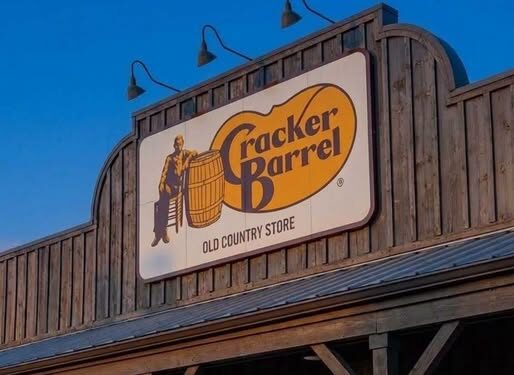
Changes to a logo can appear straightforward, but visual identity is especially sensitive for a company closely tied to tradition. Customers encounter a logo on buildings, menus, signs, products, and advertising, making it one of the most visible symbols of the brand.
A sleeker or more contemporary design may be intended to improve clarity and present a cleaner image. Loyal guests, however, may interpret the same update as evidence that the company wants to distance itself from its established character.
The reaction is not necessarily about the artistic quality of a new logo. It reflects concern about what the design represents and whether additional changes may follow.
For a brand that promises familiarity, visual continuity can provide reassurance. Customers often want to recognize the same symbols they have associated with family meals and highway stops for years.
Cracker Barrel’s experience shows that a logo is not merely a corporate mark. It can become part of the emotional landscape surrounding a business, especially when that business depends heavily on memory and tradition.
Internal Policies Raise Questions About Brand Loyalty
The company’s balancing act has also extended beyond customer-facing changes. Travel and dining guidelines involving employees prompted discussion about how strongly staff members should be expected to support the brand while away from their usual workplaces.
Clarification that employees were not required to eat at Cracker Barrel addressed concerns about how those guidelines should be interpreted. At the same time, the company continued to encourage a sense of connection between employees and the organization they represented.
The issue highlighted the difference between promoting loyalty and imposing expectations. Employees can be encouraged to understand and support the brand without being told that every personal dining decision must involve the company.
Clear communication became important because vague guidelines could create confusion. Workers needed to understand what was expected of them, particularly when traveling or making choices outside their standard duties.
The clarification suggested an attempt to preserve employee engagement while recognizing reasonable personal freedom. It was another example of Cracker Barrel trying to protect its identity without applying that identity too rigidly.
The Difficulty of Modernizing a Nostalgia-Based Business
Every long-established company eventually faces pressure to change. Customer habits shift, design preferences evolve, and businesses must review how they operate if they hope to remain competitive.
Cracker Barrel’s challenge is unusual because its appeal depends partly on resisting the appearance of change. Guests enter expecting a setting that feels removed from fast-moving trends and contemporary pressures.
The company must therefore modernize in ways that customers may not immediately notice or in forms they consider respectful. Necessary updates may need to be introduced without disturbing the sense of continuity that defines the experience.
This does not mean the brand can remain frozen in time. Restaurants require maintenance, policies require clarification, and visual presentation may need occasional refinement.
The central question is not whether Cracker Barrel should change. It is how the company can make those changes while protecting the emotional qualities that distinguish it from other roadside dining options.
Nostalgia Functions as Part of the Product
Cracker Barrel’s appeal has always included intangible elements. Guests may remember the flavor of a meal, but they also remember sitting on the porch, browsing the country store, and entering a dining room filled with familiar objects.
Those experiences create an atmosphere that cannot be measured in the same way as menu prices or serving sizes. Nevertheless, they strongly influence whether a customer leaves satisfied.
Nostalgia gives the brand a sense of permanence. Travelers may encounter unfamiliar highways, changing landscapes, and long hours on the road, yet the restaurant offers a recognizable place to pause.
This consistency builds trust. A customer stopping at a location in one state may expect a similar feeling at another location far away.
When design or policy changes seem to weaken that consistency, loyal guests may react strongly because they believe an informal promise has been broken. The company is not only adjusting a restaurant; it is altering a place people have woven into their personal histories.
Listening Becomes Essential During a Transition
Customer reactions can provide valuable guidance when a familiar company attempts to reinvent parts of its operation. Resistance does not always mean that every update should be abandoned, but it can reveal which features carry the greatest emotional importance.
Cracker Barrel’s decision to restore certain familiar touches indicated that guest feedback was taken seriously. The company appeared willing to adjust its approach rather than insist that customers accept every modernization effort.
That flexibility may help prevent the brand from moving too far from its roots. It can also reassure loyal visitors that their connection to the restaurant remains valued.
At the same time, leadership must determine when criticism reflects a temporary discomfort with change and when it signals a deeper threat to the brand’s identity. Not every update will receive universal approval.
Successful adaptation will likely depend on choosing changes that improve the business while leaving its most recognizable traditions intact.
Employee Identity Must Also Be Handled Carefully
Employees play a major role in maintaining the atmosphere guests associate with Cracker Barrel. Their interactions, knowledge, and connection to the company influence whether the restaurant feels welcoming and authentic.
Encouraging staff members to remain connected to the brand can support consistent service. However, that connection must be built through communication and workplace culture rather than assumptions about personal choices.
The clarification involving employee dining expectations demonstrated the need for precise policies. Workers should not be left uncertain about whether a recommendation is voluntary or mandatory.
A company that depends on warmth and hospitality must also consider how its internal decisions affect the people responsible for delivering that experience. Employee trust can be as important as customer trust.
Clear guidelines help prevent misunderstandings and allow staff members to represent the company without feeling that ordinary decisions outside work are being controlled.
Survival Without Surrendering the Brand’s Character
Cracker Barrel’s ongoing evolution can be understood as an effort to survive without surrendering what made the company distinctive. It must remain relevant while continuing to provide the sense of comfort that generations of travelers expect.
Too little change could leave the chain struggling to meet current needs. Too much change could remove the qualities that make guests choose it over more modern alternatives.
The path forward lies between those extremes. The company can update its operations, clarify policies, and refine its appearance while still preserving the porch, the country-store atmosphere, and the feeling of a familiar meal.
Its willingness to reconsider unpopular changes suggests that Cracker Barrel understands the value of restraint. Modernization may be necessary, but it cannot become more important than the relationship between the brand and its customers.
That relationship was built slowly through repeated visits and shared memories. Protecting it requires more than maintaining a menu. It requires preserving the emotional experience surrounding every meal.
A Familiar Feeling Remains the Company’s Greatest Promise
For many travelers, Cracker Barrel remains connected to a particular feeling: relief after a long drive, comfort in a familiar setting, and the expectation of food associated with home.
The company’s recent changes have tested how durable that feeling can be. Updates to interiors, branding, and policies have shown that even careful adjustments may receive close attention from loyal customers.
Cracker Barrel’s response suggests that the company is still defining the boundaries of acceptable change. It wants to move forward, but it also recognizes that its past remains one of its most valuable assets.
The future of the brand may depend on its ability to make improvements without allowing progress to erase familiarity. Customers do not necessarily oppose every update, but many want reassurance that the qualities they love will remain recognizable.
In the end, Cracker Barrel’s challenge is not simply about logos, decorations, or employee guidelines. It is about protecting a promise that has shaped the company for years.
That promise is the idea that after miles of unfamiliar road, travelers can step onto a porch, sit near a rocking chair, and enter a place that still feels a little like coming home.